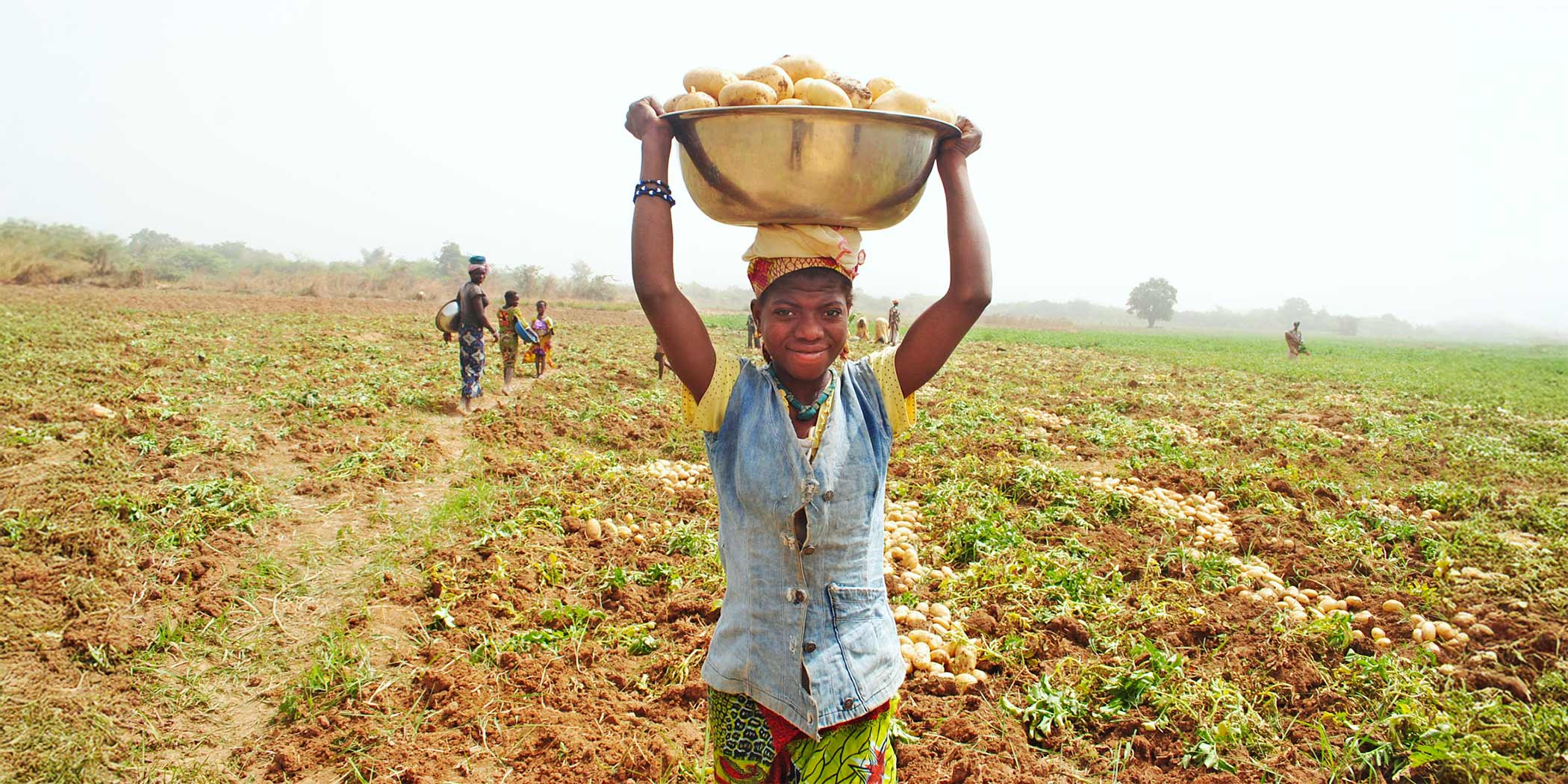
According to the World Food Programme 2024 Nutrition Snapshot, 148 million children under five years of age are chronically malnourished, 45 million are acutely malnourished, and one in two preschool-aged children suffer from at least one micronutrient deficiency. The report warns that malnutrition is a leading cause of disease and death among children; it also exacerbates poverty and hinders national development.
To address these challenges, the Building Resilience and Inclusive Growth of Highland farming systems for rural Transformation (BRIGHT) project is empowering farming communities in Uganda to strengthen food and nutrition security and improve their household incomes.
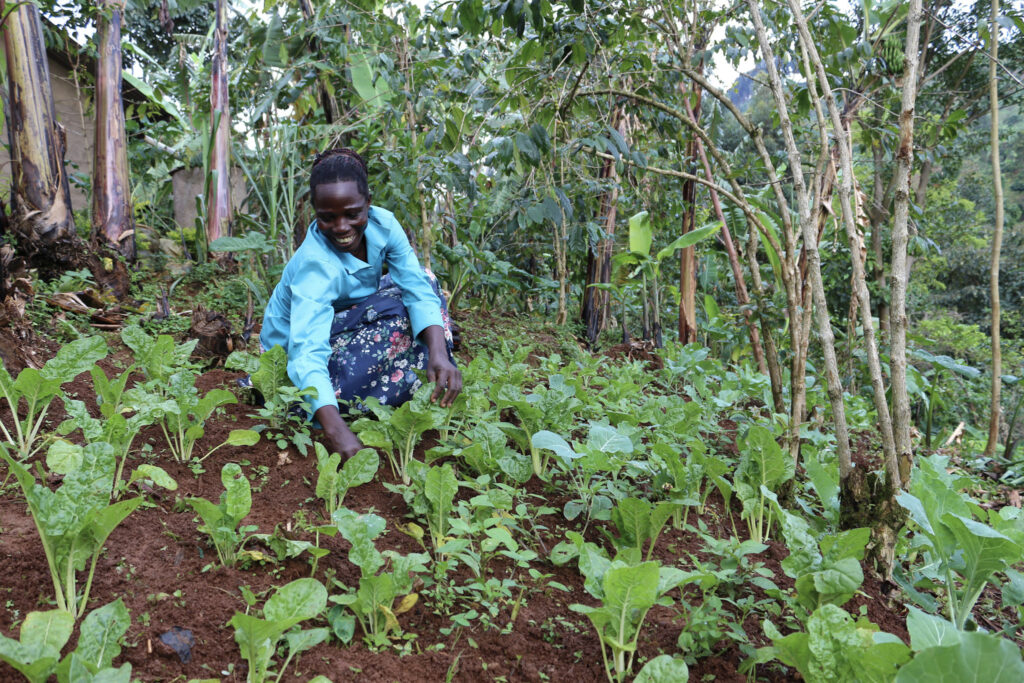
Through training on best agronomic practices, crop diversification, kitchen gardening, and nutritious meal preparation, families are able to grow healthy foods and consume a balanced diet year-round.
“Growing a variety of crops and producing more food has enriched our diets, making them more nutritious and, in turn, improving our overall health.”
Khainza Kasifa
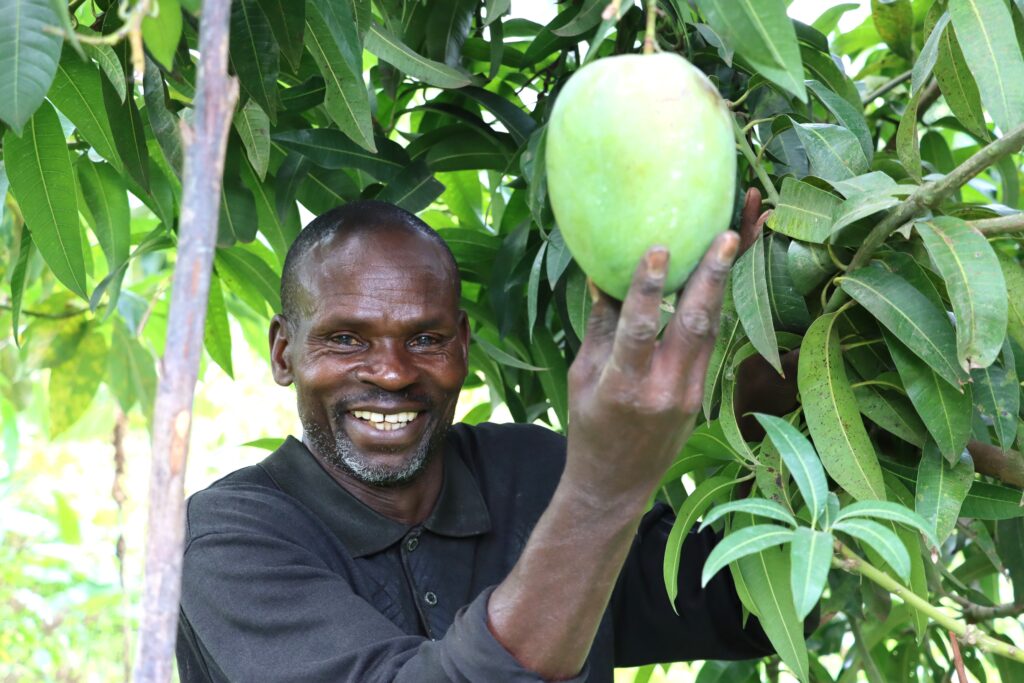
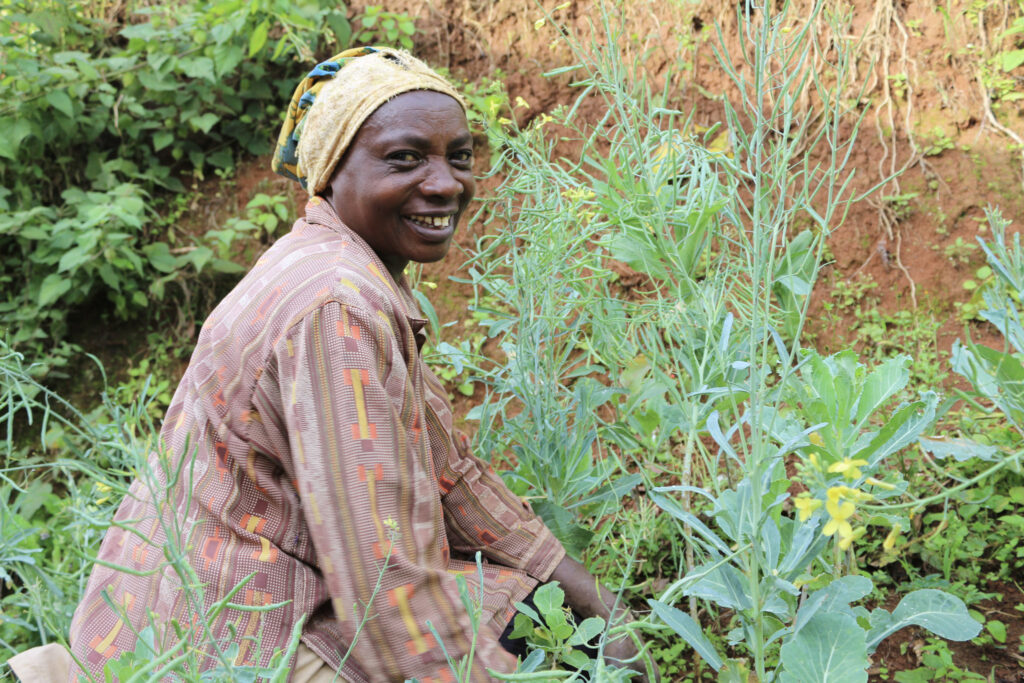
BRIGHT has equipped 2,494 Nutrition Champions with the knowledge and skills to deliver nutrition education within their communities. One such champion is Khainza Kasifa, a wife and mother of seven from Bumatsoti village in Wanale sub-county, Mbale District.
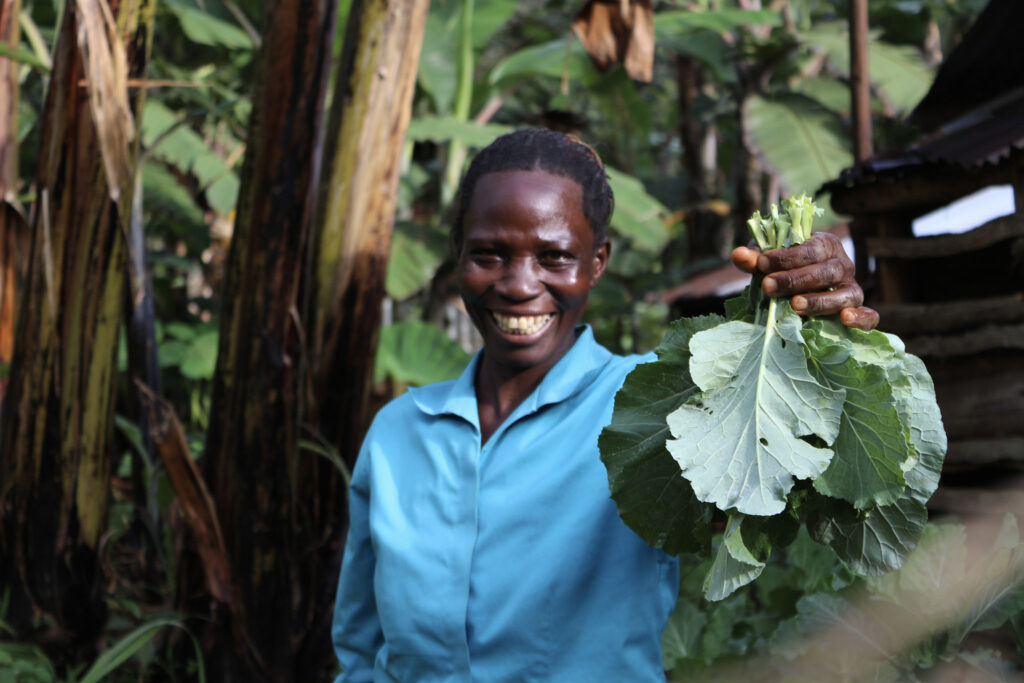
Since 2023, Kasifa has been encouraging households to establish and expand their gardens to ensure a steady supply of nutritious food and income. At the same time, she conducts demonstrations to train mothers to prepare nutritious meals for their families, especially for children.
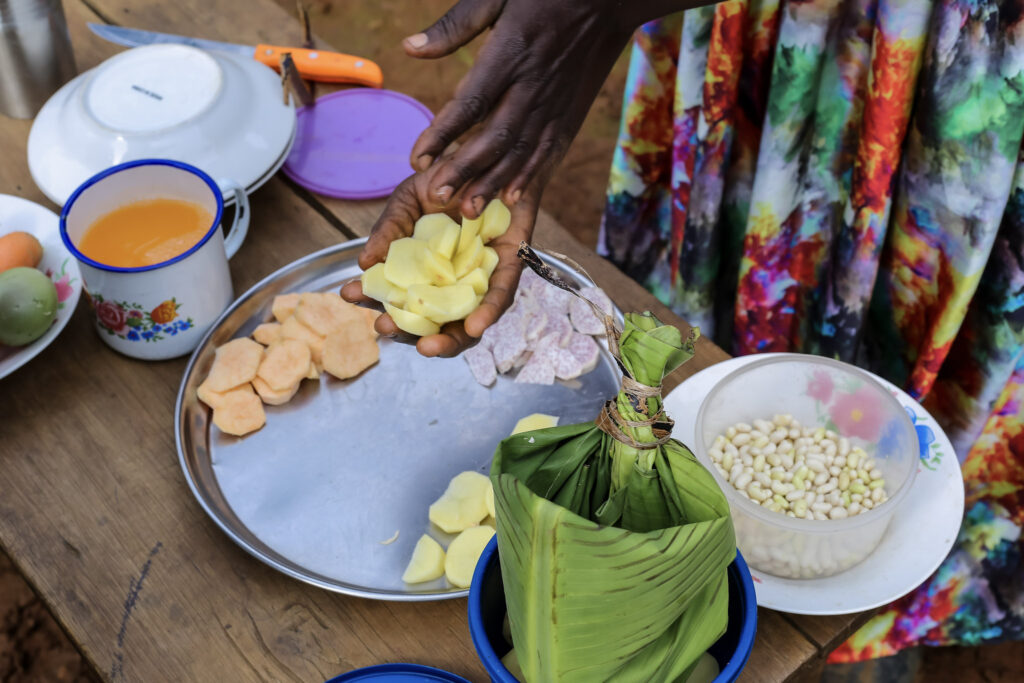
During one training session, Kasifa guided the women: “Place the potatoes, beans, and groundnuts in banana leaves and steam for 20 minutes. Add clean vegetables and steam for another 10 minutes. Then, mash and serve to the babies with a fruit.”
She explained that sweet potatoes provide carbohydrates, beans and groundnuts are rich in protein, and green leafy vegetables and fruits contribute dietary fiber and essential vitamins.
Beyond nutritious food preparation, Kasifa noted that the project has helped households transition from overreliance on coffee and banana farming, a practice that left families vulnerable to widespread hidden hunger and stunted growth among children, to more diversified agricultural production, which promotes better nutrition and increases incomes.
Today, households are cultivating a wide range of crops, including bananas, sweet potatoes, beans, maize, fruits, dark green leafy vegetables, and coffee for both household consumption and profits.
Kasifa shared: “Growing a variety of crops and producing more food has enriched our diets, making them more nutritious and, in turn, improving our overall health.”
Mariam Kamisya, one of the mothers who has benefited from the training sessions, explained: “We now grow more food crops for our families, and we have learned to manage our gardens for better yields. For instance, I now space my bananas, coffee, and vegetables better; I apply nitrogen, phosphorus, and potassium (NPK) fertilizers and use contours, trenches, and grass bunds to prevent soil erosion and retain water in my garden. These practices have boosted my yields and increased my family’s food supply throughout the year.”
Kamisya also established a kitchen garden with vegetables such as kale, eggplant, and tomato to supplement the family’s nutritious food supply, and she sells her surplus produce for income. Moreover, she is helping amplify the project’s impact by passing on her crop production and nutrition skills to at least 10 other households.
To date, 84,316 farmer households in Uganda’s highlands have been empowered by the BRIGHT project through its food and nutrition security initiatives. As a result, 52% of these households have achieved an acceptable Food Consumption Score, while 85% of the households are now consuming more diverse diets, as indicated by the Household Dietary Diversity Score. Another 22,244 households are expected to be reached by September 2026.
Through these achievements, the BRIGHT project is strengthening household wellness and driving community development. Furthermore, these achievements contribute to the United Nations Sustainable Development Goal 2 – Zero Hunger, which aims to ensure universal access to safe, nutritious, and sufficient food worldwide.
As the World Health Organization has stressed, improved nutrition strengthens immune systems, lowers the risk of chronic diseases, ensures safer pregnancies and childbirth, and boosts community productivity, ultimately breaking the cycle of hunger, malnutrition, and poverty.
The Building Resilience and Inclusive Growth for Highland Farming Systems for Rural Transformation (BRIGHT) project, funded by the Netherlands Ministry of Foreign Affairs through the Embassy of the Kingdom of the Netherlands, seeks to build the resilience capacity of farm households and farming systems in Uganda to increase income and food and nutrition security of all farmers and transform households from subsistence to more market-oriented in Kigezi, Mount Elgon, and Rwenzori regions. The project is being implemented by the International Fertilizer Development Center (IFDC) in cooperation with Agriterra, the Uganda Ministry of Agriculture, Animal Industry and Fisheries (MAAIF), the National Agricultural Research Organization (NARO), district local governments, and private sector partners.