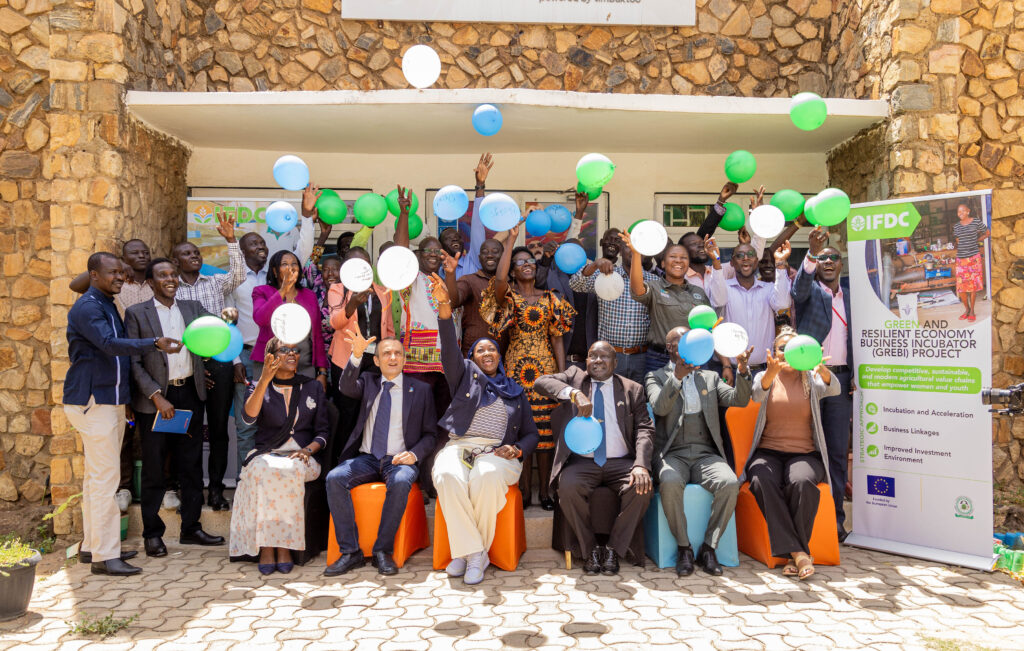
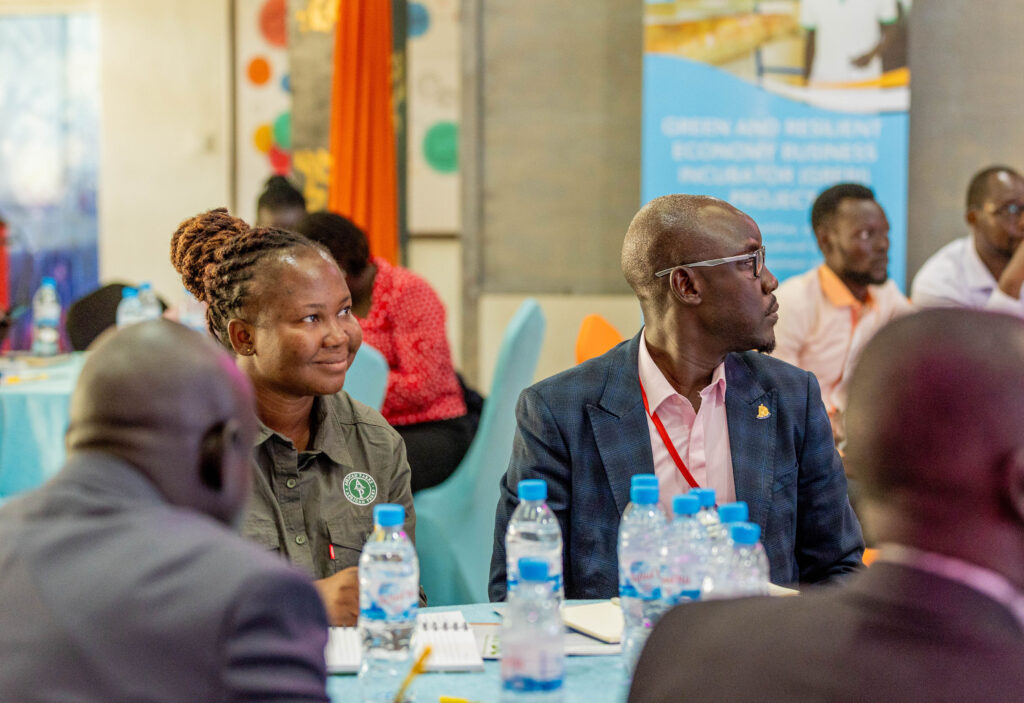
On April 16, stakeholders from South Sudan’s government, the private sector, development organizations, academia, and other sectors gathered at the University of Juba for the official launch of the Green and Resilient Economy Business Incubator (GREBI) project.
Funded by the European Union, the four-year project (2026-2029) aims to strengthen South Sudan’s agriculture sector by promoting more competitive, sustainable, and modern agricultural value chains while empowering women and youth. GREBI will work to achieve this goal by fostering entrepreneurship; scaling up micro, small, and medium enterprises (MSMEs); and expanding access to finance and credit for private sector actors operating across value chains.
GREBI is not only about supporting individual enterprises, but also about building a greener, more productive, and more inclusive economy for the country as a whole.
Massimo Scalorbi, Head of Cooperation at the European Union Delegation to South Sudan
Unlocking South Sudan’s Agricultural Potential
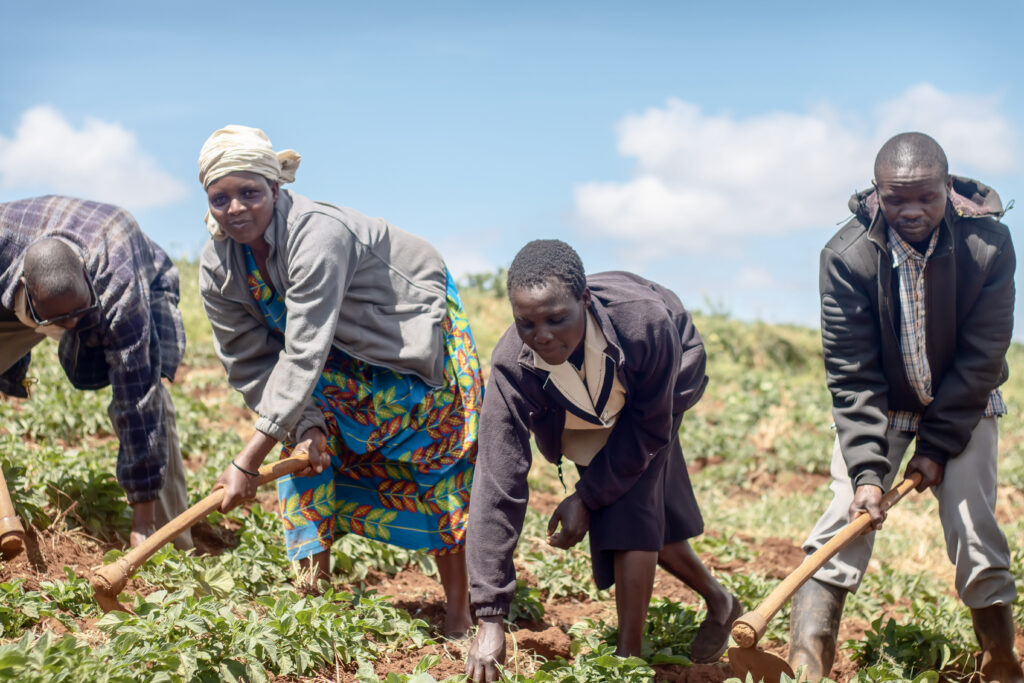
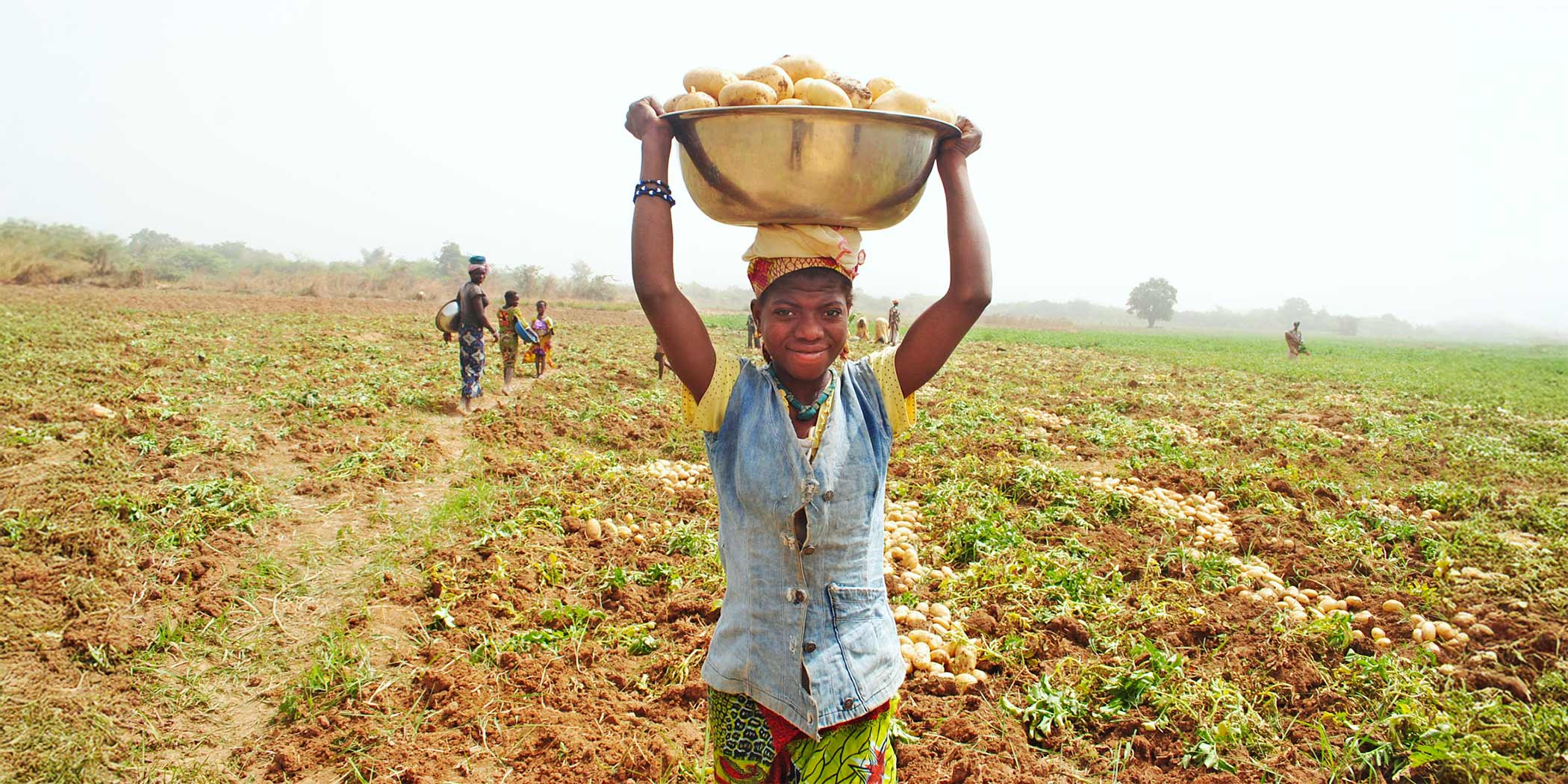
GREBI, which will be implemented in seven regions across the country, comes at a critical time for South Sudan, a country with immense agricultural potential that remains largely underutilized. Limited access to finance, markets, and business development services, coupled with weak coordination across value chains, has constrained growth. Despite these challenges, agriculture presents significant opportunities for private sector-led development, job creation, and economic transformation.
Through its three core interventions – business incubation, business acceleration, and business linkages – GREBI will support a total of 350 MSMEs. The project strongly emphasizes inclusion, with women expected to comprise 30% of its participants and at least 50% of participating enterprises expected to be youth-led.
GREBI will focus on high-potential value chains, including cereals, horticultural crops, non-timber forest products such as honey, industrial crops such as sesame and groundnuts; and green businesses such as compost production and energy-saving stove manufacturing. These value chains offer significant opportunities to create decent jobs, particularly for women and youth.
Laying the Foundation for a Resilient Agrifood Economy
Speaking during the GREBI launch, Massimo Scalorbi, Head of Cooperation at the European Union Delegation to South Sudan, emphasized the central role of agriculture in the country’s future.
“Agriculture is the backbone of South Sudan’s economy. More than 80% of the population relies on it for their livelihoods. It is not only essential for food security, but it should also become a key driver of the national economy,” he declared.
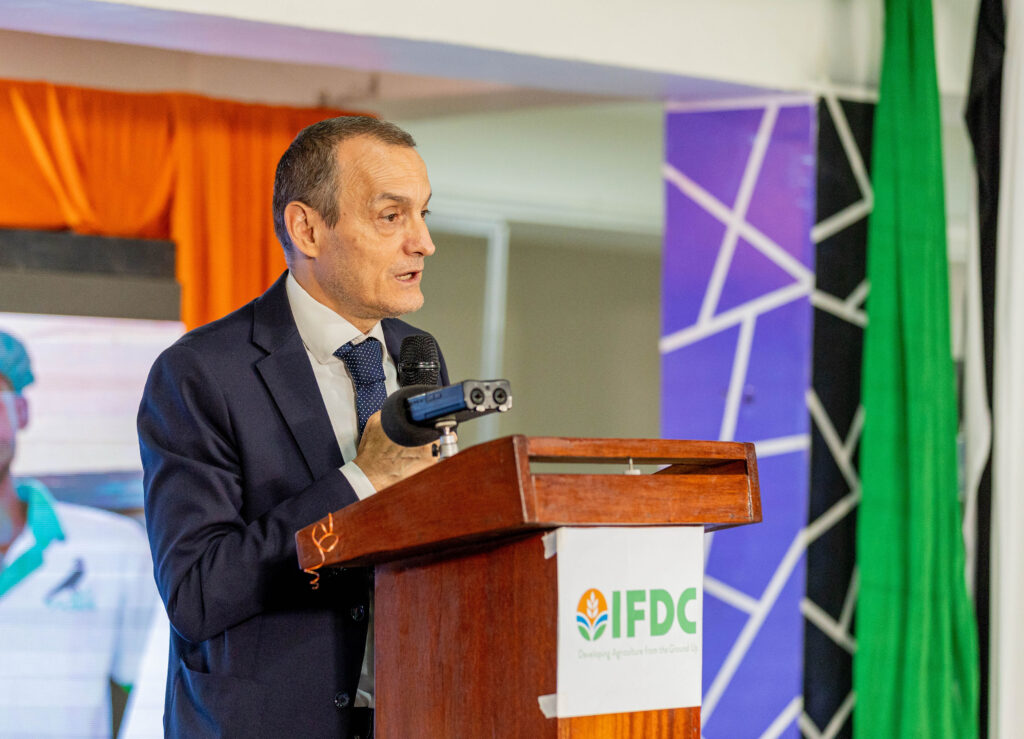
Scalorbi also remarked on the important role the private sector has to play in agricultural development. While there are many challenges in doing business, there are real opportunities for MSMEs to transform agriculture and directly contribute to economic growth and job creation. When local businesses grow, they create employment, generate income, and help communities thrive and become more resilient.
Scalorbi noted that GREBI will help unlock this potential by supporting promising entrepreneurs through business incubation, acceleration, and stronger linkages to markets and finance. It will support agribusiness development across the value chain, from seed production and input supply to processing, storage, and distribution.
“Ultimately, the project aims to position MSMEs as key actors in building a resilient, competitive, inclusive, and commercially viable agrifood sector in South Sudan. GREBI is not only about supporting individual enterprises, but also about building a greener, more productive, and more inclusive economy for the country as a whole,” Scalorbi said.
Charting a Path Toward Inclusive Growth
IFDC Vice President of Programs Dr. Oumou Camara called on the Government of South Sudan, local communities, private sector actors, and all national stakeholders to take full ownership of the initiative because, as she said, “GREBI is a transformative initiative designed to reshape agribusiness in South Sudan, unlock economic potential, and deliver lasting benefits to MSMEs, youth, women, and communities across the nation.”
Dr. Camara observed that, with the generous support of the European Union, GREBI will strengthen competitive, sustainable, and modern agricultural value chains, placing women and youth at the center as key drivers of change.
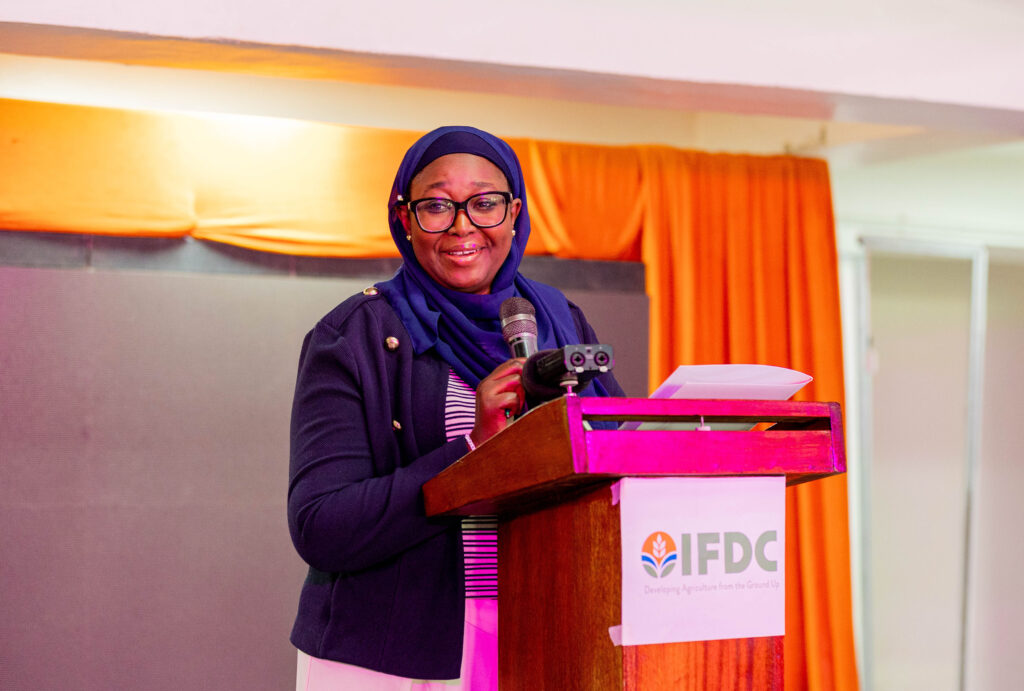
“Today, we plant the seeds of transformation. But for these seeds to grow into a harvest of opportunity, dignity, and shared prosperity, they must be nurtured through strong leadership, partnership, and ownership,” Dr. Camara concluded.
As South Sudan works to unlock the full potential of its agriculture sector, GREBI represents a bold step toward a more resilient, inclusive, and prosperous future.
By empowering entrepreneurs, strengthening value chains, and expanding opportunities for women and young people, the initiative is poised to catalyze sustainable economic growth and lay the foundation for a thriving, private sector-led agrifood economy.
The Green and Resilient Economy Business Incubator (GREBI) project (2026-2029), funded by the European Union, aims to drive inclusive economic growth in South Sudan by building more competitive, sustainable, and modern agriculture value chains and enterprises with empowered women and youth acting as agents of transformation in the sector.