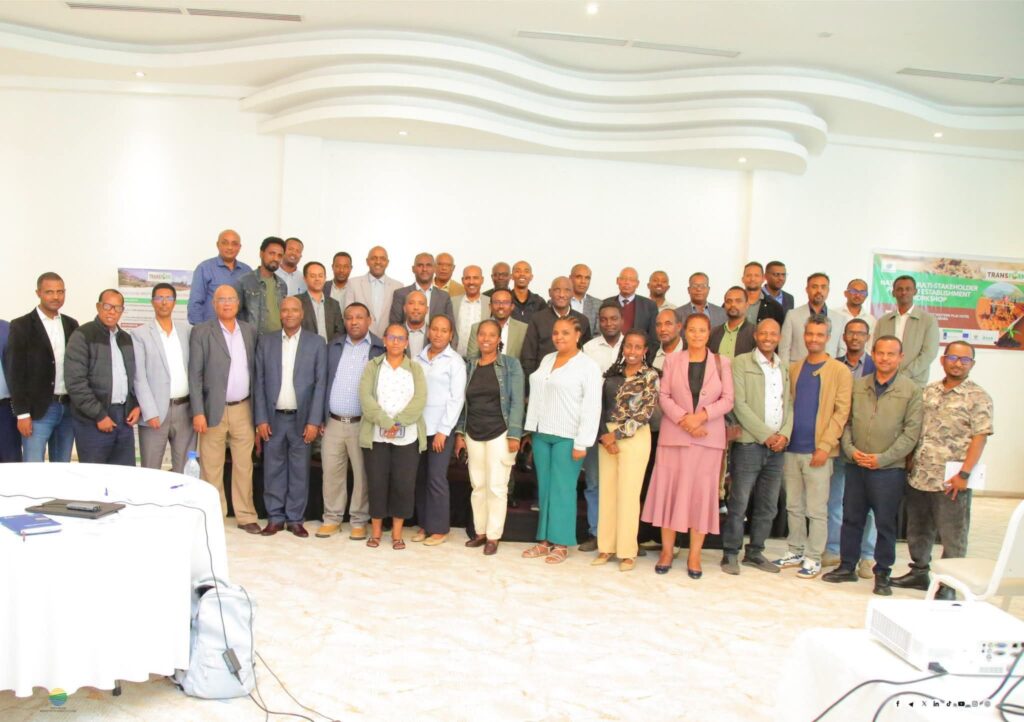
On June 18, Ethiopia officially launched the National Soil Health and Fertility Management Multi-Stakeholder Platform (MSP) in Addis Ababa, marking a significant milestone in the country’s efforts to address widespread soil degradation and declining soil fertility and to enhance agricultural productivity through strengthened collaboration, policy dialogue, and coordinated action.
The platform was launched at a national workshop convened by the Transform Soil Fertility Management in Ethiopia (TRANSFORM) project, bringing together representatives from the Ministry of Agriculture, agricultural bureaus, research institutes, universities, development partners, private sector actors, farmers, and civil society organizations.
The Multi-Stakeholder Platform is a strategic mechanism that will strengthen coordination among stakeholders and support the implementation of Ethiopia’s National Fertilizer and Soil Health Roadmap.
Kassahun Alato, TRANSFORM Program Director
Opening the event, TRANSFORM Program Director Kassahun Alato emphasized that soil health is a national development issue extending beyond agriculture, with direct implications for economic growth, environmental sustainability, and food security.
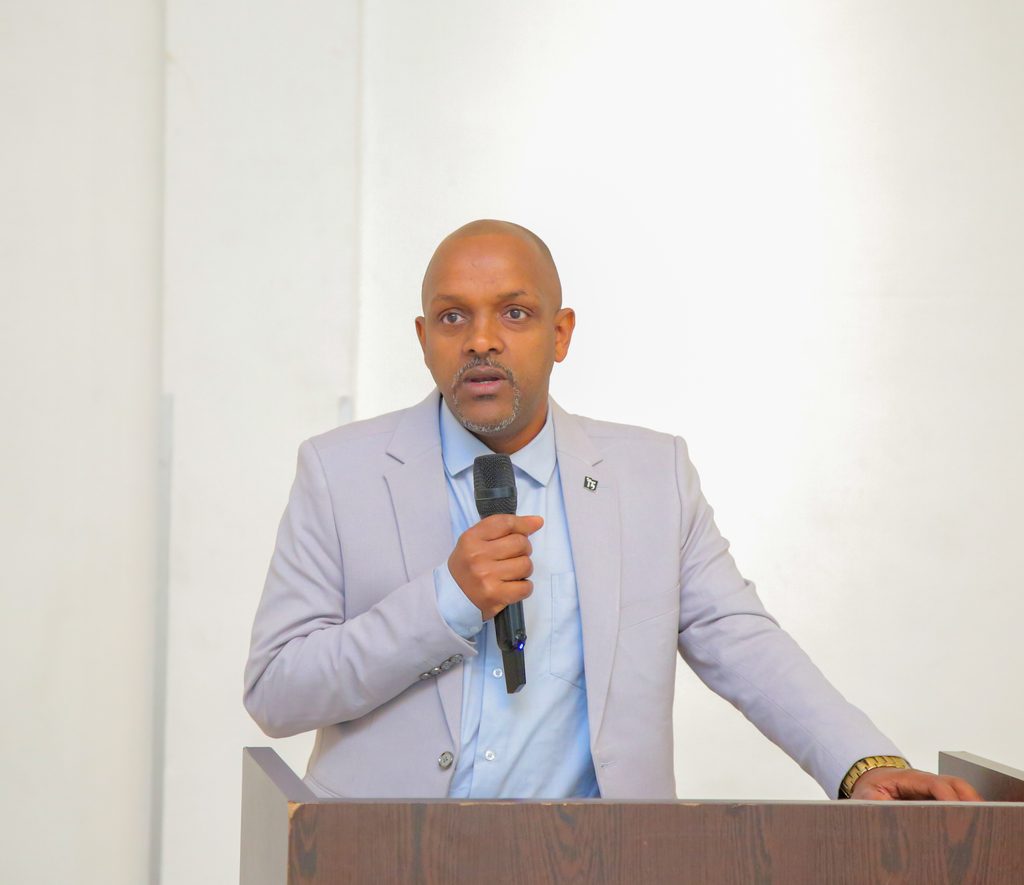
Alato went on to explain: “The Multi-Stakeholder Platform is a strategic mechanism that will strengthen coordination among stakeholders and support the implementation of Ethiopia’s National Fertilizer and Soil Health Roadmap.”
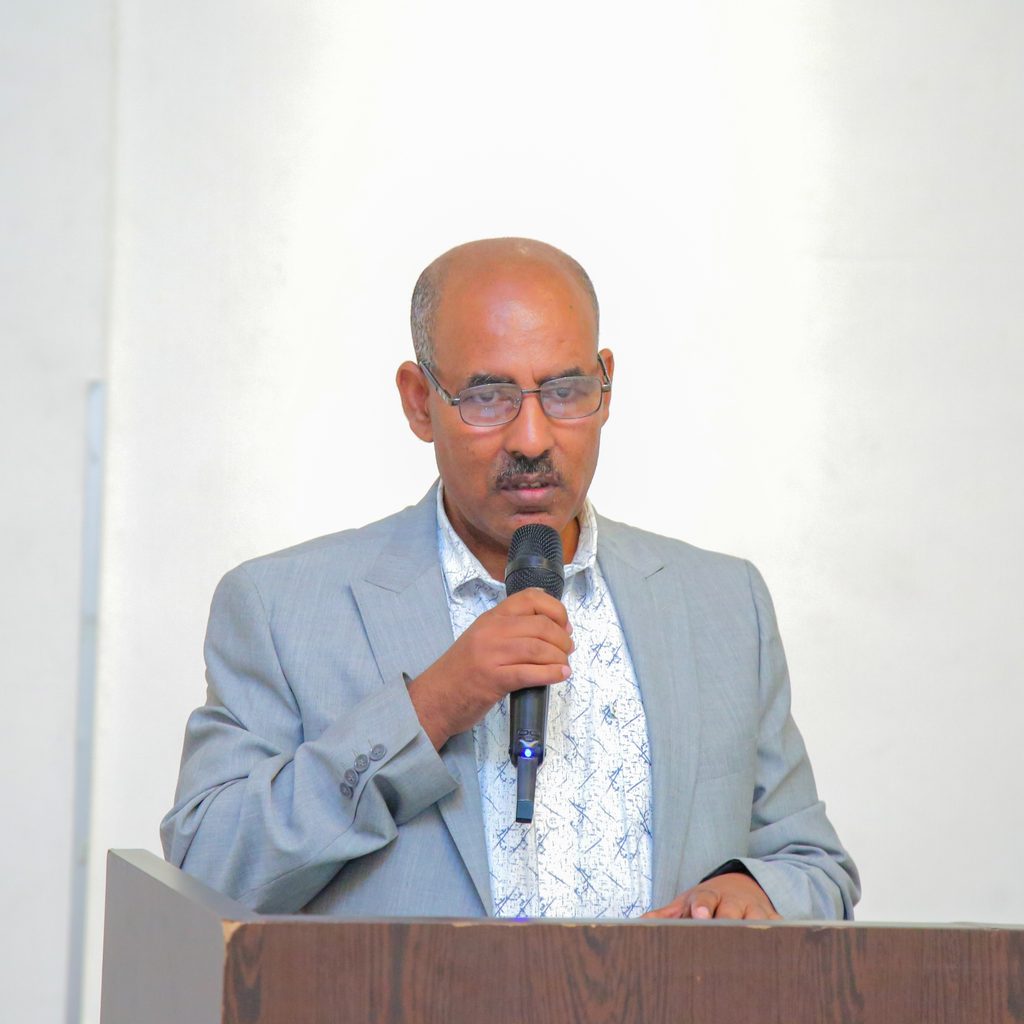
Head of Soil Health and Fertility at the Ministry of Agriculture Mulugeta Abera spoke on behalf of the Honorable Professor Eyasu Elias, the State Minister for the Natural Resources Sector, underscoring the urgency of addressing Ethiopia’s soil fertility challenges. He stressed that these complex challenges require collective action and strong partnerships among key stakeholders such as those represented at the launch event.
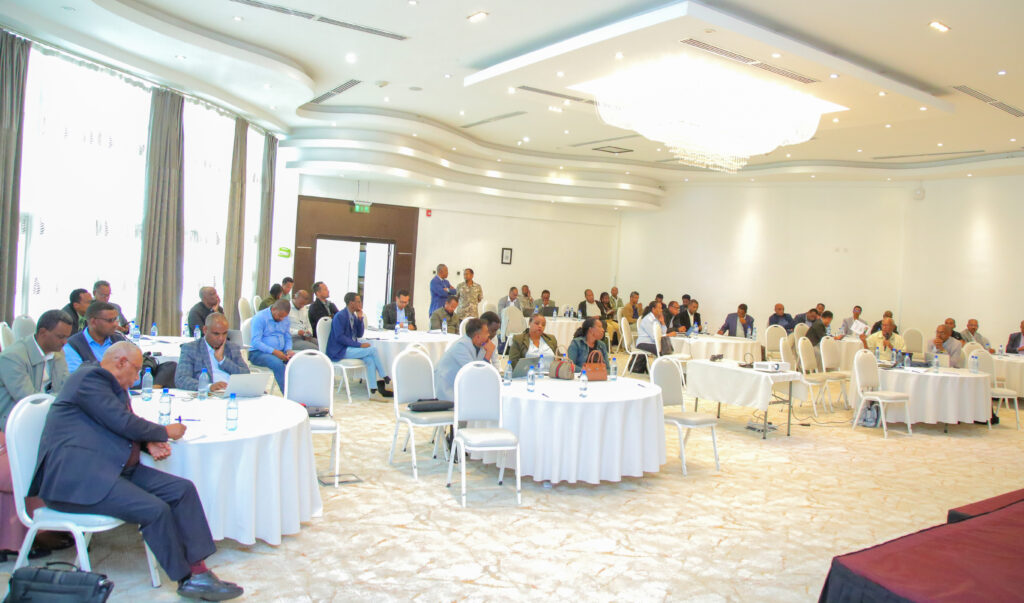
During the workshop, the TRANSFORM project presented its ongoing efforts to improve soil health through participatory extension approaches, soil input system development, farmer-led action research, and policy engagement. These efforts not only support soil health directly, but they also support the MSP as TRANSFORM shares evidence and lessons learned from the project for platform discussions. TRANSFORM also coordinates the diverse MSP stakeholders and provides policy briefs and recommendations on critical issues, ensuring that field-level experiences directly inform national and regional decision-making.
A highlight of the event was the presentation and discussion of the draft MSP Facilitation Guidelines prepared by the TRANSFORM project, which outlines the platform’s objectives, governance structure, participation principles, operational modalities, and monitoring framework. The guidelines position the MSP as a national coordination mechanism that will promote evidence-based dialogue, public-private collaboration, knowledge exchange, and policy influence in the soil sector.
Participants welcomed the initiative and provided recommendations to strengthen its inclusiveness, governance, and sustainability. Discussions emphasized the importance of expanding participation and exploring long-term sustainability mechanisms, as well as aligning MSP activities with Ethiopia’s 10-year Fertilizer and Soil Health Roadmap.
The roadmap emphasizes a shift from fragmented interventions to a coherent, long-term national approach – exactly the kind of systemic change TRANSFORM is designed to support. The National Soil Health and Fertility Management MSP serves as the key coordination mechanism for implementing the roadmap, helping to translate the roadmap’s strategic vision into tangible results on the ground while providing lessons back into national platforms for wider scaling.
The workshop formally endorsed the establishment of the National Soil Health and Fertility Management MSP and proposed a Steering Committee chaired by the Ministry of Agriculture, with the Ethiopian Institute of Agricultural Research (EIAR) serving as Vice Chair and TRANSFORM acting as Secretariat. The committee will include representatives from government institutions, research organizations, development partners, the private sector, academia, and farmer organizations.
In his closing remarks, Tarekegn Tsegie, Advisor to the Minister of Agriculture, commended the initiative and reaffirmed the Ministry’s commitment to supporting the platform. He emphasized that Ethiopia’s soil health challenges require coordinated national action and highlighted the MSP’s role in mobilizing expertise, resources, and innovation to drive sustainable soil management.
The newly established platform is expected to serve as Ethiopia’s premier forum for soil health and fertility management, facilitating collaboration, policy engagement, and collective action to restore soil productivity, enhance agricultural resilience, and contribute to the country’s broader food security and environmental sustainability goals. Similar regional platforms will be established with support from the TRANSFORM project and the Ministry of Agriculture.
The establishment of the National Soil Health and Fertility Management MSP represents a major step toward institutionalizing collaboration and creating a unified national response to Ethiopia’s soil health challenges.
The TRANSFORM project (2025-2028) is funded by the Embassy of the Kingdom of the Netherlands and the European Union and is implemented by a consortium comprising the International Fertilizer Development Center (IFDC), Wageningen University & Research/Wageningen Environmental Research, ISRIC – World Soil Information, Environment and Coffee Forest Forum (ECFF), and SOS Sahel Ethiopia.

TRANSFORM is made possible by the support from the Dutch Ministry of Foreign Affairs.