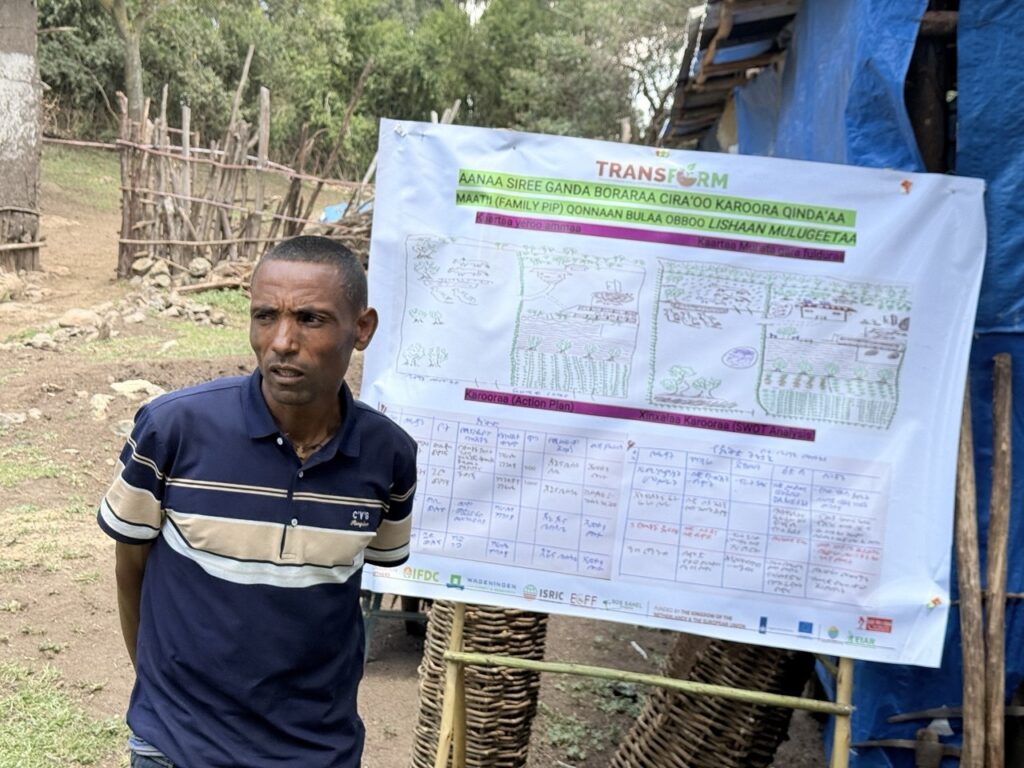
On June 13, the Sire Woreda Agricultural Office of Arsi Zone organized a field day at Borara Chira’o Kebele to showcase the early achievements of the Transform Soil Fertility Management in Ethiopia (TRANSFORM) project, a four-year initiative funded by the Embassy of the Kingdom of the Netherlands and the European Union that aims to improve soil health and fertility management through inclusive, bottom-up, participatory approaches. What unfolded was a vivid demonstration of what is possible when communities take ownership of their land and their future.
The field day brought together farmers, community representatives, religious leaders, woreda officials, and kebele leadership to observe practical soil health and fertility management interventions being implemented at the grassroots level.
If each person let their own light shine, the whole world would be brighter.
Lishan Mulugeta
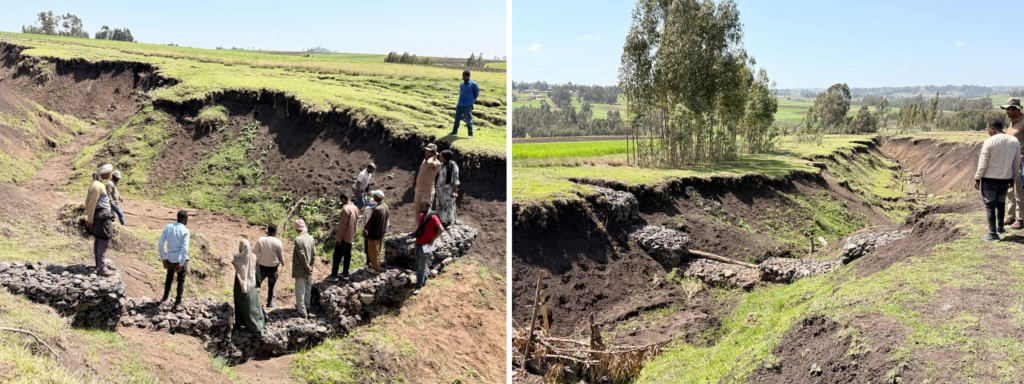
Participants first visited sites of gully rehabilitation activities implemented by the kebele community and led by the Kebele Vision Committee, which was formed and mobilized through the Participatory Integrated Planning (PIP) approach, a structured approach through which households and whole communities define goals and create plans to achieve them.
With training and both technical and material support from the TRANSFORM project and Sire Woreda Agricultural Office, the community has contributed labor to restore degraded land and reduce the social, economic, and environmental impacts of soil degradation. Empowered through the PIP approach, the kebele community is collaboratively taking ownership of rehabilitating the area’s gullies.
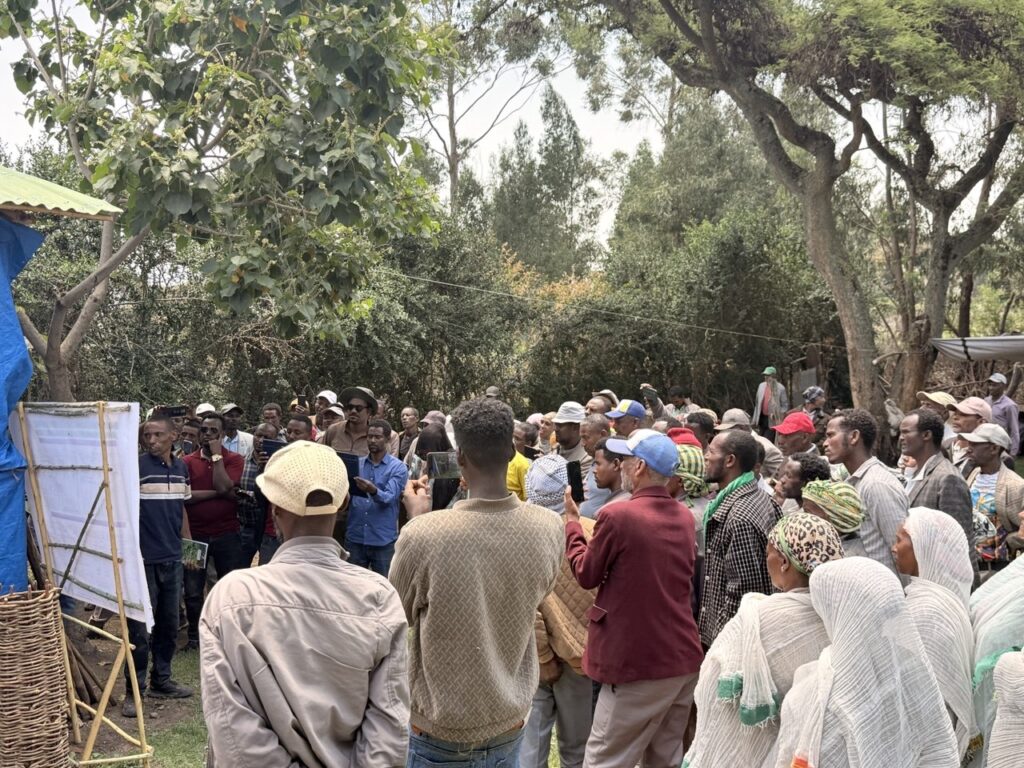
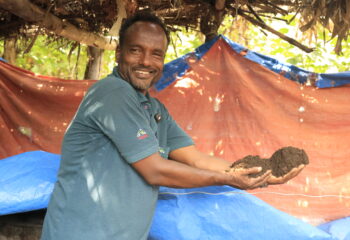
The field day then highlighted the role of PIP Innovators, farmers trained by TRANSFORM in improved practices who pass their knowledge on to neighboring farmers and help them put these practices into action. Among them was Lishan Mulugeta, a committed PIP Innovator who shared his experience in vermicompost preparation, fruit and vegetable production, and farmer-led action research.
“If each person let their own light shine, the whole world would be brighter,” Lishan said, encouraging listeners to implement his techniques to restore the woreda’s soil and improve their harvests and incomes.
Farmers appreciated the practical experience shared during the event and expressed interest in adopting similar practices on their own farms, revealing the ripple effect intended by the PIP Innovator process. Local officials also recognized the contributions of TRANSFORM in enabling communities to identify soil health challenges, map their current situation, develop a shared vision, and implement concrete action plans.
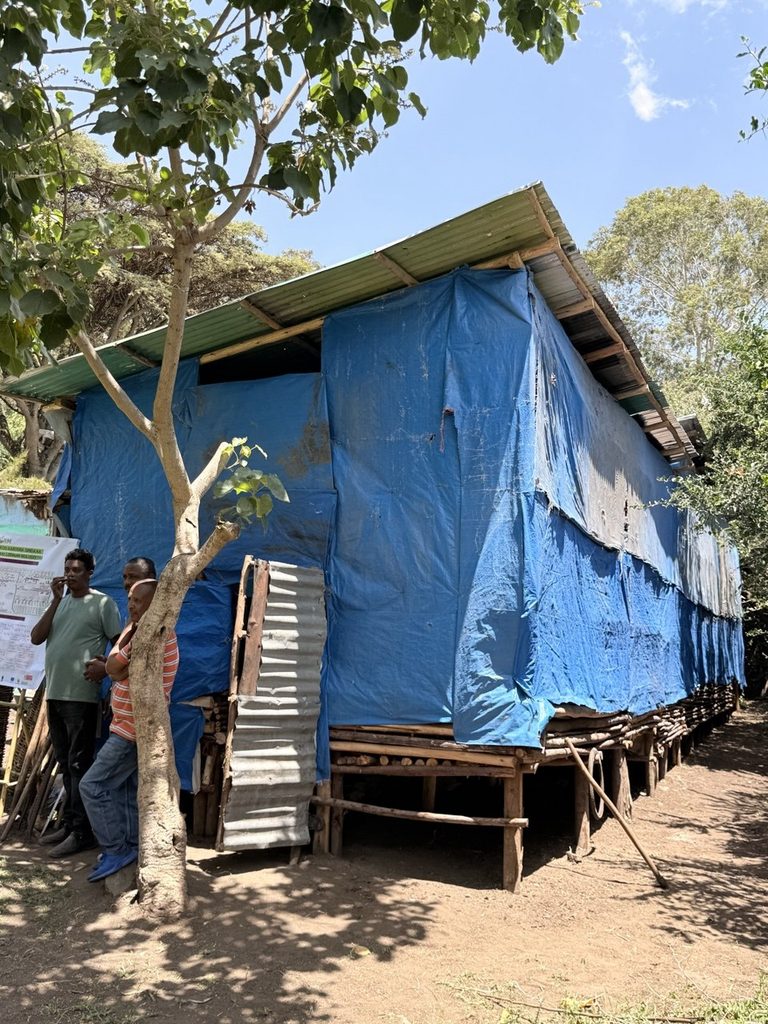
Lishan’s experience also reflects the potential for trained farmers to become small-scale entrepreneurs in organic soil input production. Lishan and others like him prove that TRANSFORM is not only supporting land restoration and soil fertility improvement but also creating opportunities for local enterprise development.
Ultimately, TRANSFORM aims to sustainably increase the productivity of 100,000 small-scale food producers and enhance the sustainable use of 65,000 hectares of farmland in Amhara, Oromia, and the Central Ethiopia Regional State. The field day demonstrated that TRANSFORM is already generating visible grassroots impact toward these goals by strengthening community ownership, promoting farmer-led innovation, and supporting practical solutions for improved soil health and sustainable agricultural transformation.
The TRANSFORM project (2025-2028) is funded by the Embassy of the Kingdom of the Netherlands and the European Union and is implemented by a consortium comprising the International Fertilizer Development Center (IFDC), Wageningen University & Research/Wageningen Environmental Research, ISRIC – World Soil Information, Environment and Coffee Forest Forum (ECFF), and SOS Sahel Ethiopia.

TRANSFORM is made possible by the support from the Dutch Ministry of Foreign Affairs.