Read the Open Access Paper
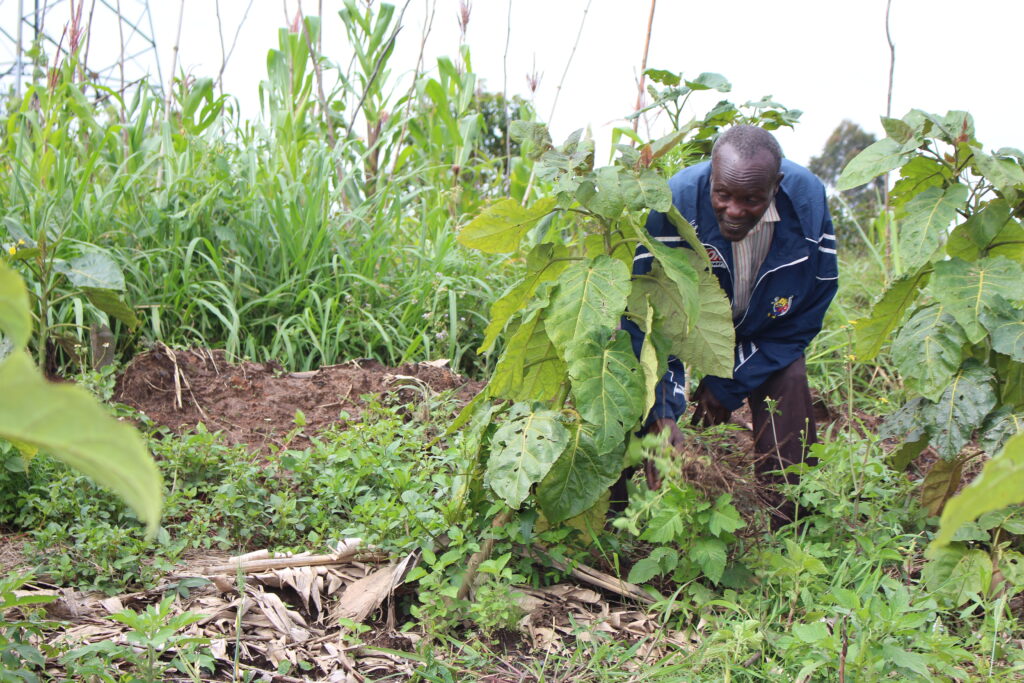
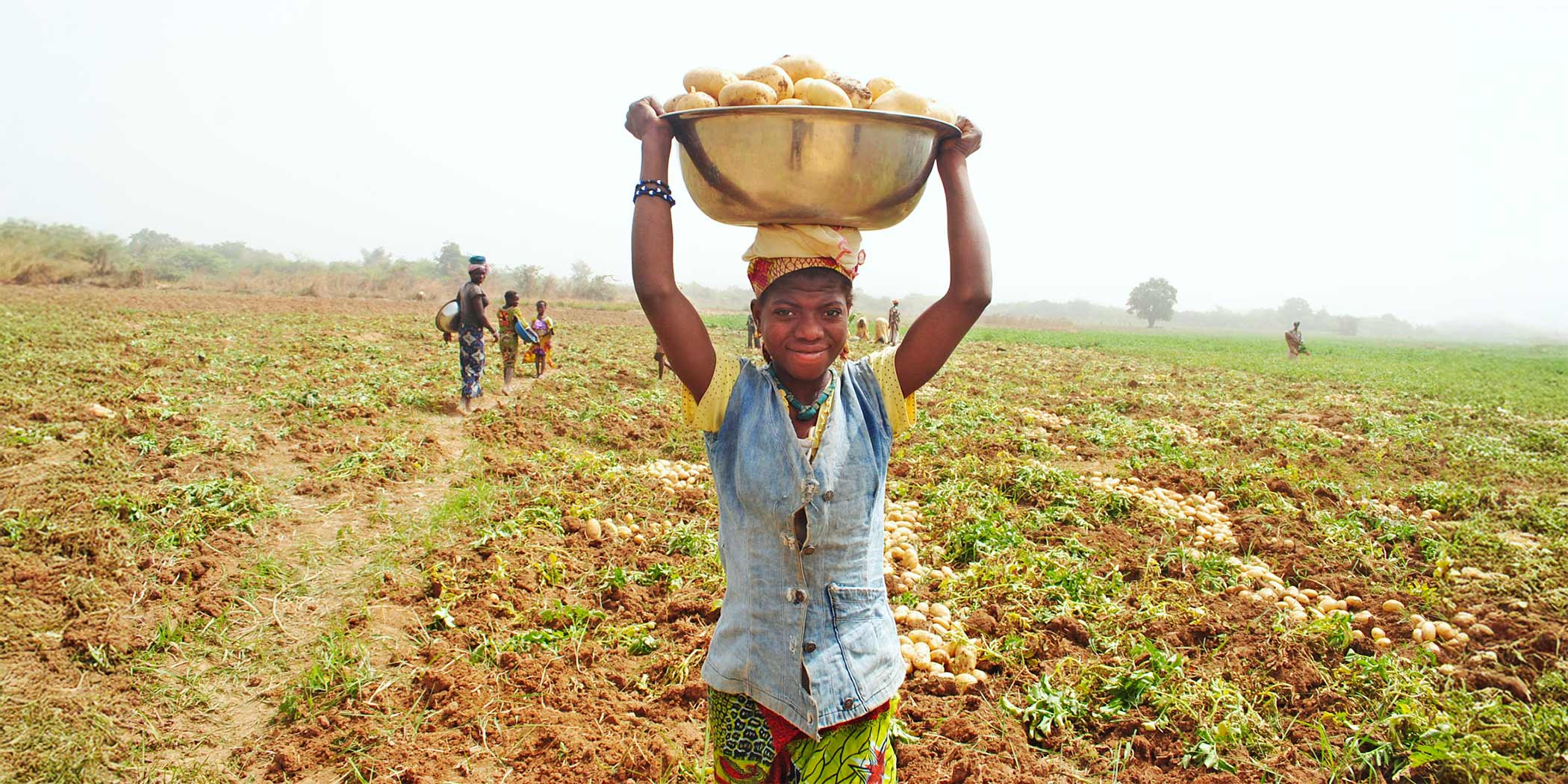
Sub-Saharan Africa continues to face persistent fertilizer access challenges driven by heavy import dependence and high transport costs, limiting the productivity and resilience of smallholder farmers.
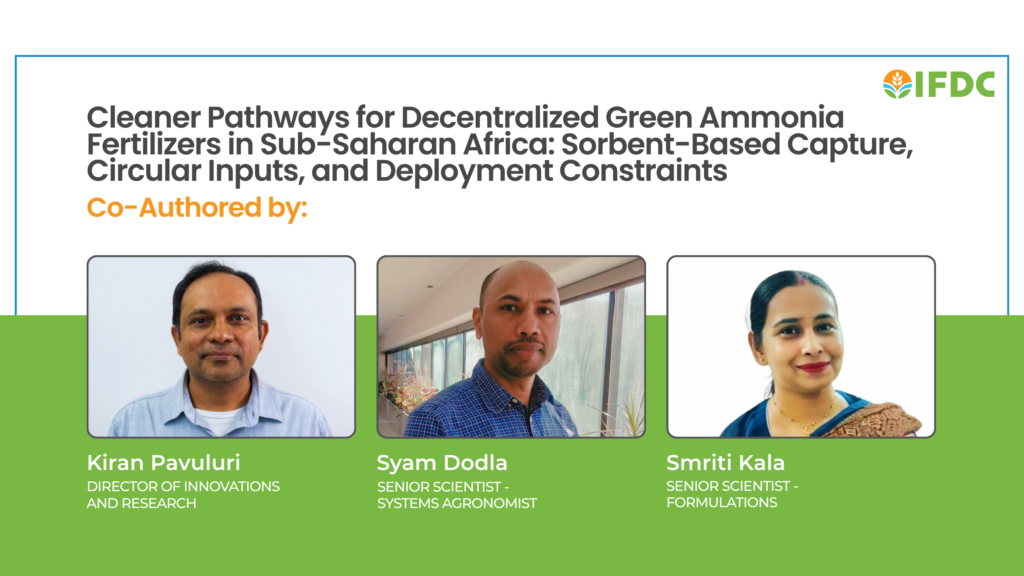
A newly released review published in Environmental Science: Advances titled “Cleaner Pathways for Decentralized Green Ammonia Fertilizers in Sub-Saharan Africa: Sorbent-Based Capture, Circular Inputs, and Deployment Constraints,” co-authored by IFDC scientists Kiran Pavuluri, Director of Innovations and Research, Syam Dodla, Senior Scientist-Systems Agronomist, and Smriti Kala, Senior Scientist-Formulations, explores an emerging solution: decentralized green ammonia production powered by locally available renewable energy sources.
The paper examines how this approach can offer a cleaner, more localized pathway to improve nitrogen fertilizer access. However, it also highlights critical barriers to deployment, including the safe handling, storage, and transformation of ammonia into stable, agronomically effective fertilizer products.
Focused on practical and scalable solutions, the review provides a comprehensive analysis of ammonia capture and conversion pathways, with particular emphasis on low-cost, locally sourced materials. These include biochar, aluminosilicates (zeolites and bentonites), activated carbon, and agro-industrial residues.
The study also explores the growing potential of hydrogels and superabsorbent polymers as moisture-retaining matrices and controlled-release carriers, offering new opportunities to enhance nutrient efficiency under smallholder farming conditions.
In addition, the authors outline scalable formulation strategies, including reactive granulation and carrier impregnation, to reduce nitrogen losses, improve product handling, and enable the development of multi-nutrient fertilizers using regionally available inputs.
By identifying key research gaps and deployment constraints, the review provides guidance for advancing cleaner, decentralized fertilizer manufacturing systems that can strengthen agricultural resilience and improve nutrient access across sub-Saharan Africa.