IFDC is proud to share a milestone in sustainable Indian agriculture: mechanized fertilizer deep placement (mFDP). IFDC, the innovator of mFDP and scaling partner in its implementation, has introduced the zero-till drill for mFDP to a new group of farmers and leaders in India.
Fertilizer deep placement puts nutrients directly into the root zone, where they can be accessed best by plants, instead of spreading them on the planting surface, where larger amounts can be lost to the air and water. Mechanizing this process makes it faster, easier, and more uniform.
“Mechanized fertilizer placement puts nutrients where roots can use them best, and with healthy soil data and indigenous nutrient sources, India can grow more with less and lead the world in doing so.”
Dr. M.L. Jat, Secretary of the Department of Agricultural Research and Education (DARE) and Director General of the Indian Council of Agricultural Research (ICAR)
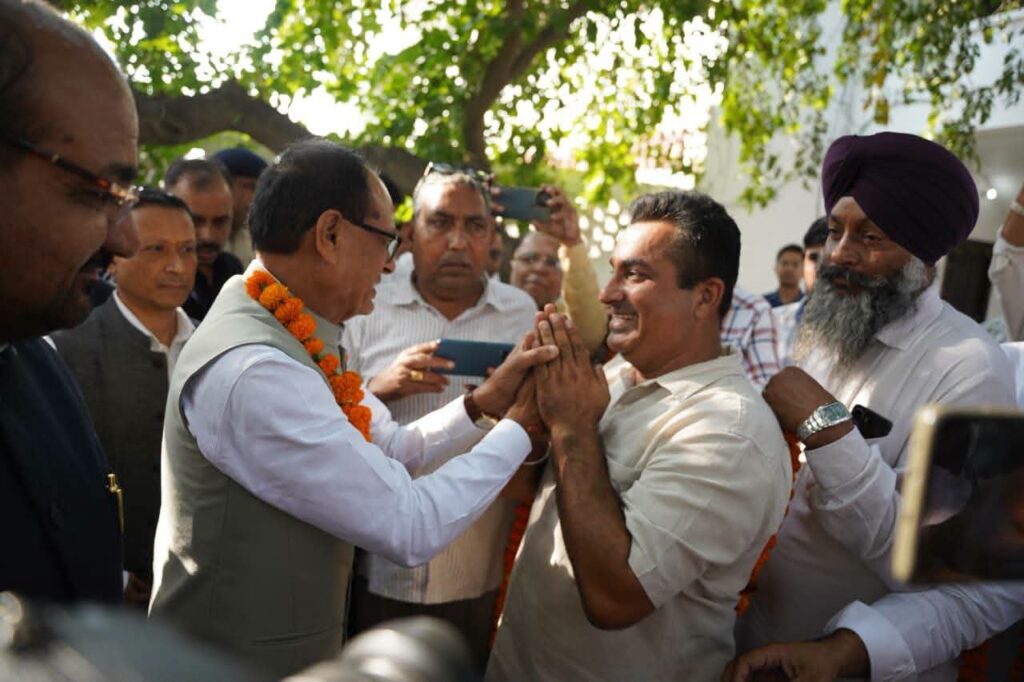
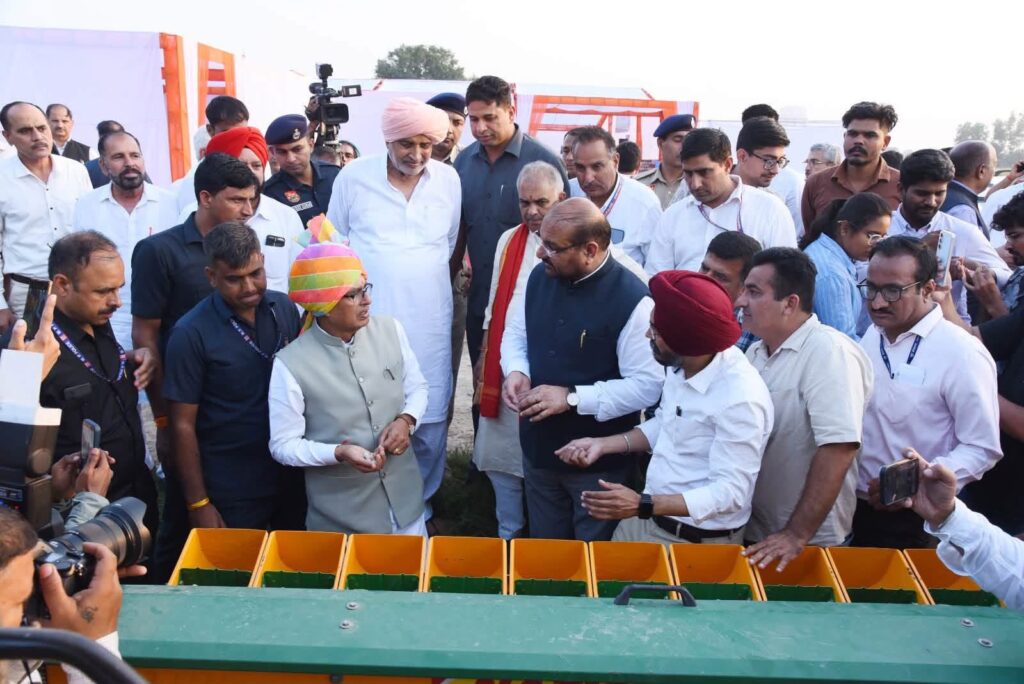
On October 22, at the inaugural event of a new campaign entitled “Save Both People and Fields,” launched by Union Minister of Agriculture and Farmers Welfare Shivraj Singh Chouhan, attendees observed demonstrations of innovative farming machines, including IFDC’s zero-till drill for mFDP, at farmer Vikas Chaudhary’s field in Taraori Village, Haryana. The demonstration showed just how practical and adoption-ready the drill is.
Rajdeep Singh, CEO of National Agro Industries, explained that existing zero-till drills and paddy transplanters were modified so that one machine can handle seeding or transplanting and deep placement of fertilizer together. The technology has already been scaled in Assam, Odisha, and other areas of Haryana, as well as in Bangladesh by IFDC in collaboration with the National Agricultural Research System (NARS) with help of the World Bank Group.
At the event, the main benefits of the zero-till drill for mFDP were outlined. These include a reduction of up to 20-25% in fertilizer use, decreasing input costs for farmers; an estimated 15-30% improvement in yield; and a 60-80% reduction in greenhouse gas emissions, supporting climate-smart farming. Additionally, since the device performs both seeding and fertilizer placement together at once, it saves time, labor, and fuel for farmers.
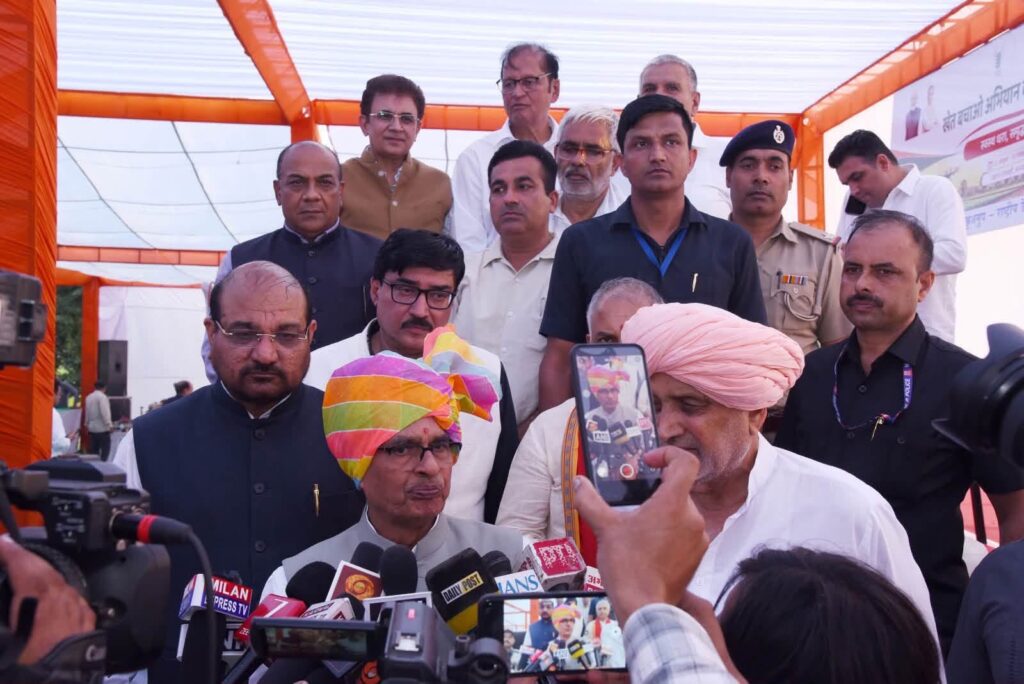
This innovation has the potential to reduce the national fertilizer subsidy by 15-25% and convert the subsidy into a nutrient efficiency-based incentive system. Such a shift is important, as Minister Singh remarked: “Affordable fertilizers do not mean indiscriminate use. The government provides relief to farmers through subsidies exceeding U.S. $22 million, but urea and [diammonium phosphate] must be applied according to need.”
Dr. M.L. Jat, Secretary of the Department of Agricultural Research and Education (DARE) and Director General of the Indian Council of Agricultural Research (ICAR), highlighted the benefits of mFDP and how the technology can be linked directly with the Soil Health Card Scheme and the Prime Minister’s Programme for Restoration, Awareness Generation, Nourishment, and Amelioration of Mother Earth (PM-PRANAM). Through these links, soil data can reach farmers more effectively, supporting balanced nutrient use.
Chaudhary, the progressive farmer who hosted the demonstrations, shared the advantages of mFDP from a farmer’s point of view, which is where the real test of any technology lies. He noted that he was able to reduce his fertilizer use by 20-30% while increasing yield by 15-20%. Additionally, the significant reduction in greenhouse gas emissions allowed him to register for carbon credit farming – a chance to earn extra income for verified reduced emissions.
Following upcoming discussions with the Ministry of Chemicals and Fertilizers, which will include a leadership team from IFDC and members of the Government of India, IFDC will demonstrate mFDP on 40 farmers’ fields in wheat crops in Uttar Pradesh and Haryana, in collaboration with Hindustan Urvarak & Rasayan Limited, a national partner of the Government of India from the fertilizer sector.
The zero-till drill for mFDP can help position India as a global leader in agricultural mechanization, and ultimately, it can share that expertise with other countries in the Global South. The innovation also aligns with the push for self-reliance in fertilizers and the upcoming Bharat Soil Health Policy, which mandates improving fertilizer use efficiency and reducing fertilizer use.
Advocating for the zero-till drill for mFDP, Dr. Jat declared, “Self-reliance in fertilizers begins in the soil itself. Mechanized fertilizer placement puts nutrients where roots can use them best, and with healthy soil data and indigenous nutrient sources, India can grow more with less and lead the world in doing so.”
Innovations like the zero-till drill for mFDP are building a future where every farmer has the tools to increase yields and profits and protect the environment.