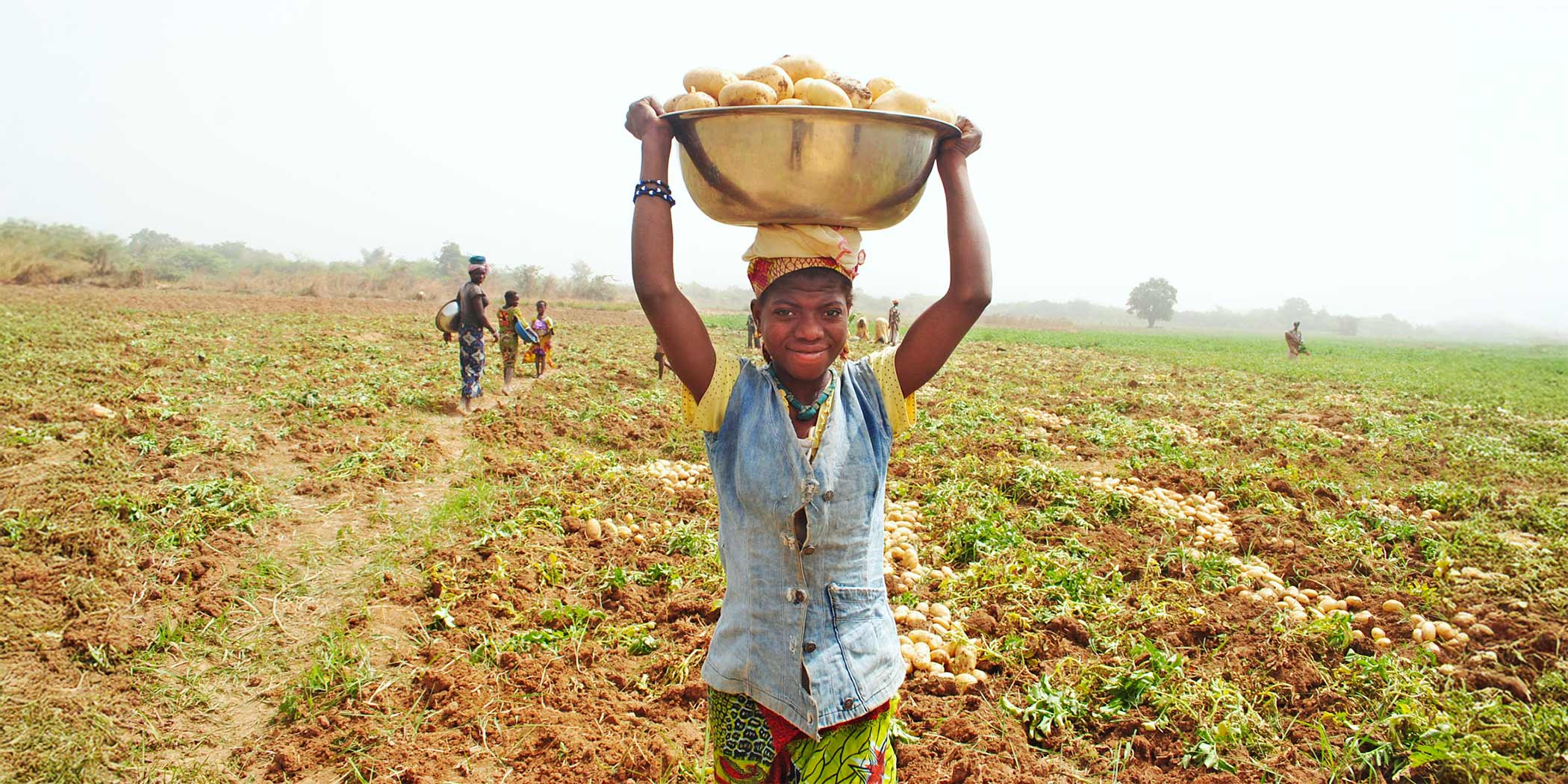
Africa’s recurring fertilizer crises are highlighting the need for a fundamental shift, from reacting to supply disruptions toward building resilient nutrient systems that can withstand shocks, improve fertilizer efficiency, and restore soil fertility. By bringing market intelligence, private sector experience, soil health expertise, and locally adapted solutions into the conversation, IFDC is contributing to a more resilient approach to nutrient management across Africa.
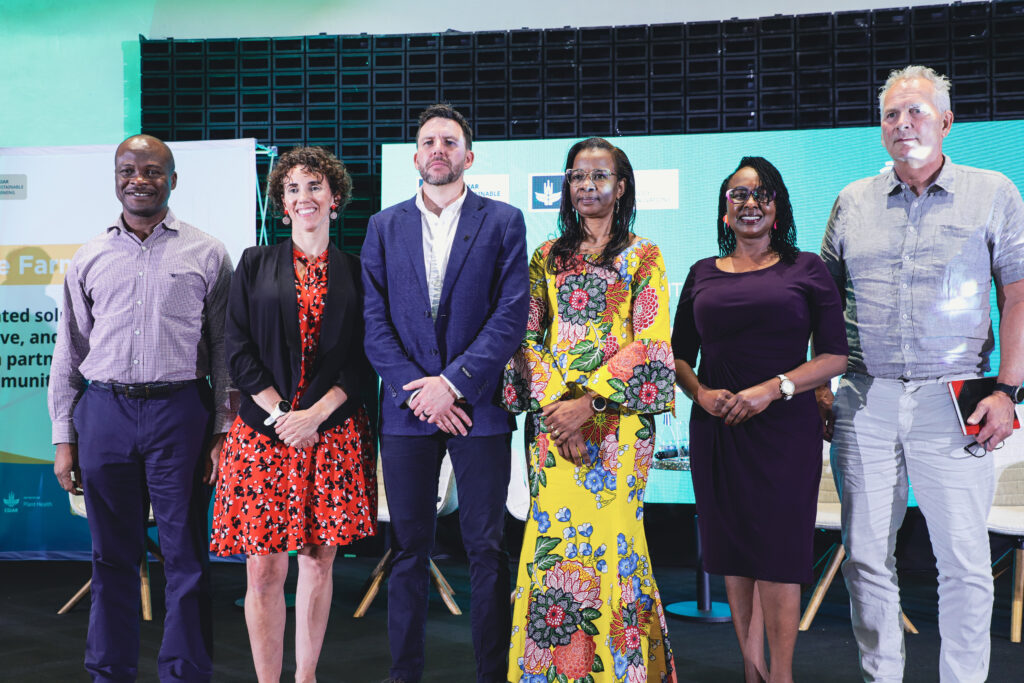
On August 31 in Kigali, Rwanda, IFDC joined leaders from governments, research, finance, industry, philanthropy, and development at the “Fertilizer Crisis: Solutions for Africa” dialogue, held during the Africa Food Systems (AFS) Forum 2026. Organized by CGIAR and convened by Deutsche Gesellschaft für Internationale Zusammenarbeit GmbH (GIZ), IFDC, AGRA, and the Gates Foundation, the session examined practical pathways for reducing Africa’s vulnerability to fertilizer market shocks while strengthening long-term agricultural productivity.
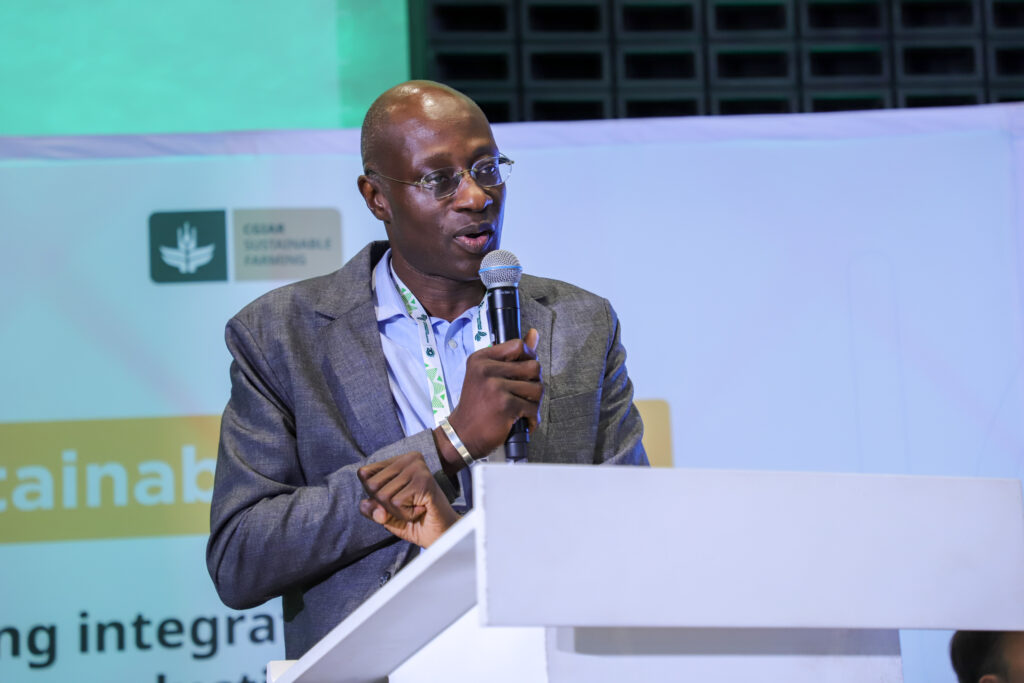
“Our stakeholders need to be well informed [through] market intelligence. We need to diversify our sources and get locally adapted solutions.”
Bayella Thiam, IFDC Chief Operating Officer
Learning from Successive Fertilizer Crises
Africa has faced a series of fertilizer and food system disruptions in recent years. COVID-19, the war in Ukraine, and ongoing conflict in countries such as Sudan have demonstrated how quickly global market disruptions can affect fertilizer availability, prices, and farmers’ ability to access essential nutrients.
For Sheila Komen Keino, Executive Director of Sustain Africa, the experience of these crises points to a need to change how resilience is built. Drawing on Sustain Africa’s work across multiple countries, she highlighted three lessons that have consistently shaped effective crisis response: speed, data, and coordination. “The biggest challenge is: we are very reactive,” she remarked, noting that Africa must move beyond this reactivity toward preparedness through the three lessons.
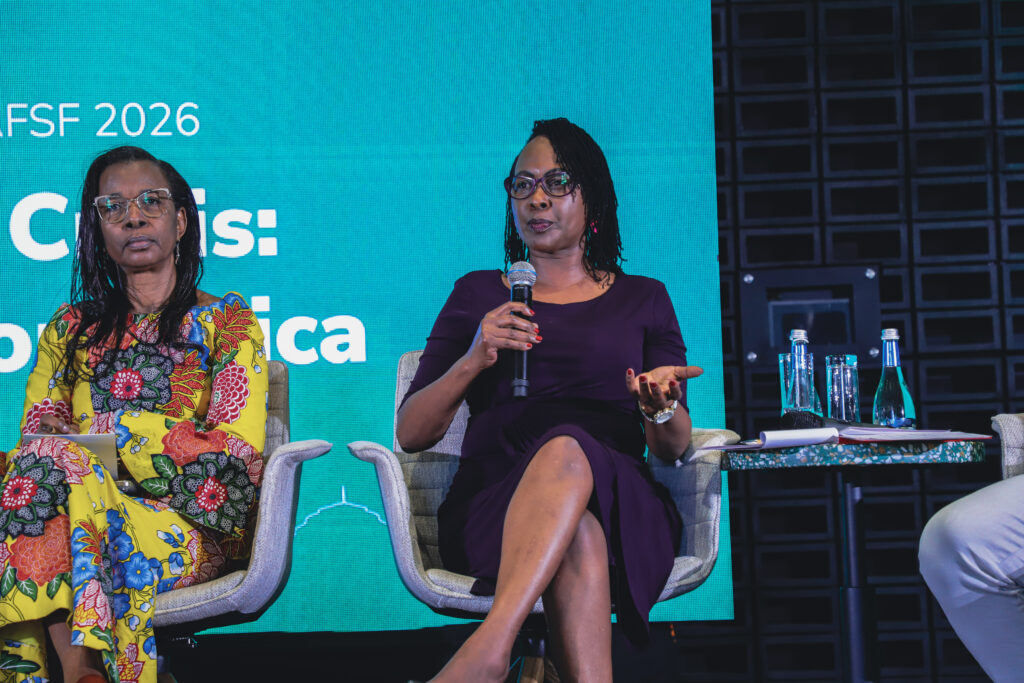
Sustain Africa’s experience in Sudan provided a concrete example, as Keino explained. Maintaining fertilizer supply in a highly challenging operating environment required collaboration among suppliers, agro-dealers, government, development partners, and other actors. Such experiences demonstrate that preparedness depends not only on having fertilizer available but also on having the relationships, information, and coordination mechanisms needed to move quickly when disruptions occur. As Keino emphasized, Africa needs to build systems that are prepared to absorb shocks rather than repeatedly starting again when the next crisis arrives.
Linking Nutrient Management with Soil Health
Preparedness alone, however, cannot address the longer-term challenge of declining soil fertility. Resilient food systems also depend on ensuring that nutrients are used efficiently and that farmers have access to solutions suited to their soils, crops, markets, and production conditions.
This is where IFDC’s experience in fertilizer markets and soil fertility management connects directly with the work of the Soil Values program.
During the dialogue, IFDC Chief Operating Officer Bayella Thiam described three priority areas: “Our stakeholders need to be well informed [through] market intelligence. We need to diversify our sources and get locally adapted solutions,” he said. Better market intelligence can help anticipate supply risks, diversified nutrient sources can reduce exposure to individual market disruptions, and locally adapted soil fertility solutions can improve the effectiveness of nutrient investments.
These priorities reflect the Soil Values approach, which places integrated soil fertility management (ISFM) and practical, evidence-based solutions at the center of efforts to improve agricultural productivity and soil health.
Diversification can include more efficient use of conventional fertilizers alongside complementary solutions such as biofertilizers and other innovative nutrient sources, where evidence demonstrates their suitability and potential for responsible scaling. The objective is not to replace one fertilizer source with another; it is to build more diversified and efficient nutrient systems that reduce vulnerability while helping farmers improve productivity and maintain healthier soils.
In addition to this, market intelligence is essential for identifying viable options and anticipating risks, while locally adapted solutions ensure that nutrient investments respond to farmers’ specific soil, crop, climate, and market conditions.
Turning Lessons into Long-Term Resilience
Through Soil Values, IFDC is helping translate the needs defined at the AFS dialogue into practical action by supporting ISFM, locally adapted innovations, and partnerships designed to strengthen the resilience of agricultural systems. As implementation advances under the Kampala Comprehensive Africa Agriculture Development Programme (CAADP) Strategy and Action Plan (2026-2035) and the African Union’s Africa Fertilizer and Soil Health (AFSH) Action Plan, it is becoming increasingly clear that Africa must build the capacity to anticipate future shocks while addressing the underlying soil health challenges that limit productivity.
The path forward is not just about responding faster when the next fertilizer crisis occurs. It is about building stronger nutrient and soil health systems today so that farmers, markets, and food systems are better prepared for tomorrow.
About Soil Values
Funded by the Dutch Directorate-General for International Cooperation (DGIS), the Soil Values program is being implemented over 10 years (2024-2033), led by the International Fertilizer Development Center (IFDC), in consortium with SNV and Wageningen University and Research (WUR), as well as knowledge partners such as AGRA, the Center for International Forestry Research and World Agroforestry (CIFOR-ICRAF), the International Institute of Tropical Agriculture (IITA), ISRIC – World Soil Information, and the International Water Management Institute (IWMI).

About Sustain Africa
Founded by Rabobank, the Gates Foundation, the International Fertilizer Association (IFA), the African Fertilizer and Agribusiness Partnership (AFAP), IFDC, and AGRA, Sustain Africa aims to transform Africa’s agricultural landscape. The initiative was created to safeguard food security, stabilize input access, and strengthen the resilience of smallholder farmers across the continent.