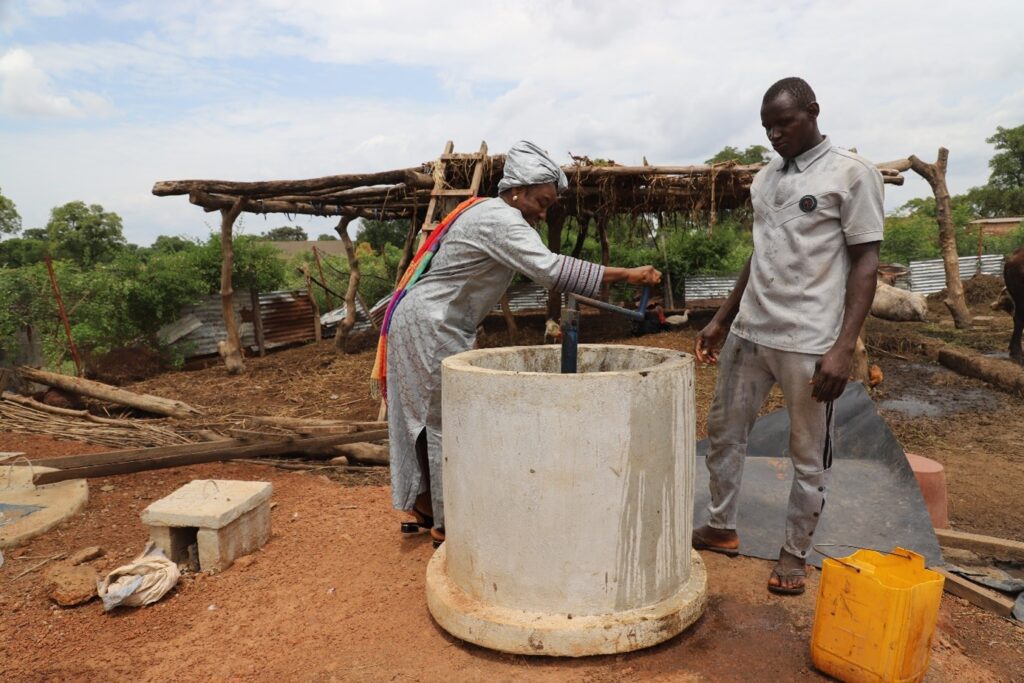
The Soil Values program continues its commitment to restoring soil fertility in West Africa by providing agricultural stakeholders with a series of technical fact sheets dedicated to proven, innovative technologies that are adapted to local conditions.
Available in French and English, these sheets available below are a key resource for improving access to information, strengthening technical capacities, and encouraging the adoption of sustainable agricultural practices.
The technical data sheets cover a range of agricultural practices and tools employed in the program’s intervention areas, including the following.
- Barbary Plante Biofertilizer: A recent water-retaining fertilizer innovation that improves soil water management. This technology helps improve fertility of the soil, strengthen its resilience to water stress, and optimize its use of water.
- Bastol: A local product that makes use of available biomass. It is a liquid biofertilizer and pesticide produced by the controlled fermentation of organic matter, water, and microorganisms.
- Biodigester: A sealed device that allows the anaerobic (oxygen-free) decomposition of organic matter, such as manure and animal waste, and produces biogas and biofertilizers. This technology is an ecologically sound, economical, and sustainable solution for smallholder farmers.
- Bokashi: An organic amendment of Japanese origin, obtained by fermenting organic matter. Accessible and economical, Bokashi is a good alternative to traditional compost and expensive mineral fertilizer.
- Neem-based biopesticide from fresh neem leaves: A natural and accessible solution for crop protection. It acts as a natural insecticide, fungicide, and repellent, while preserving human health and the environment.
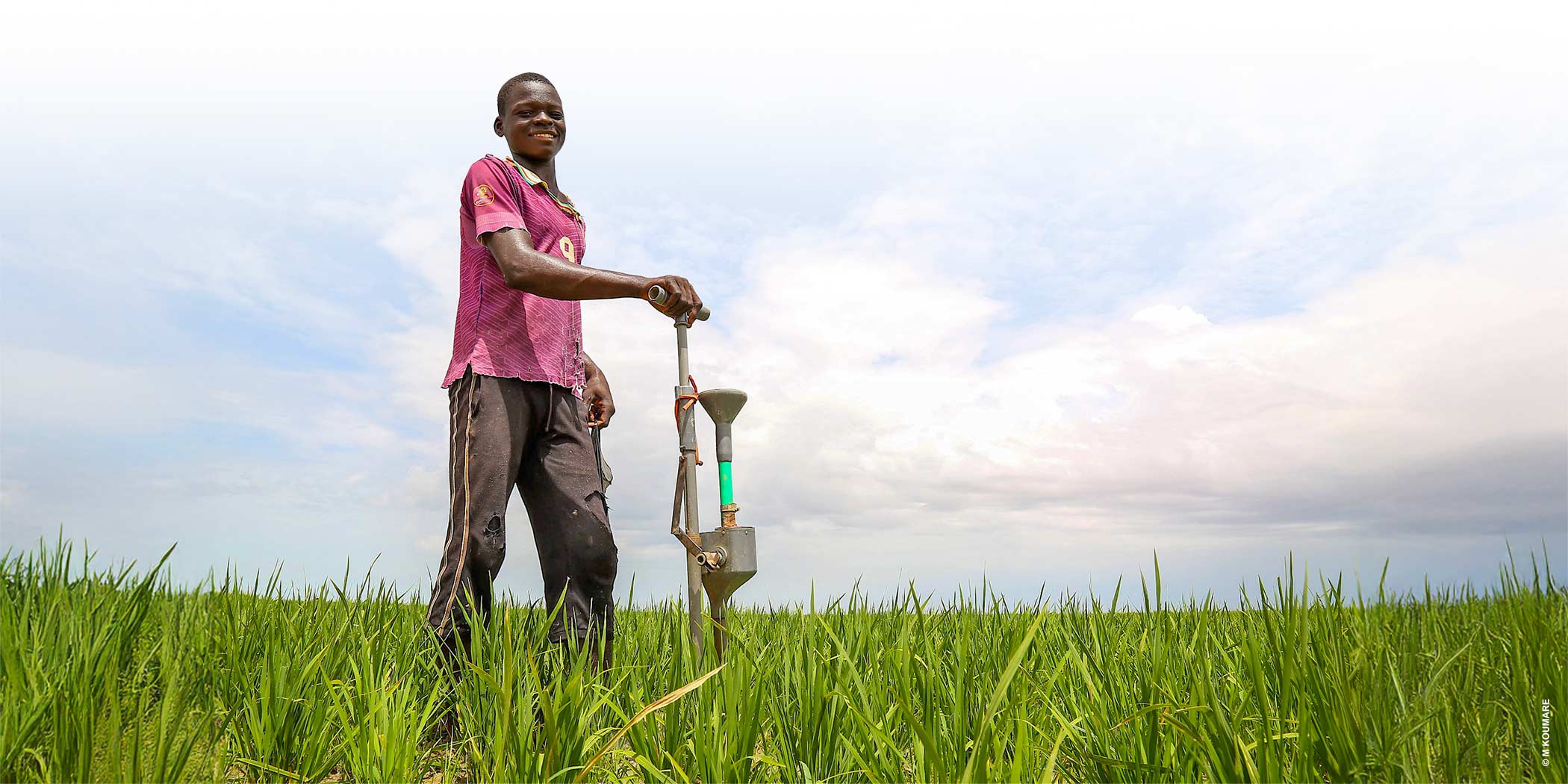
- The Zainer: An innovative agricultural tool that motorizes the practice of zaï, a traditional technique originating in the Sahelian areas of Burkina Faso that restores the productivity of degraded land by utilizing pits to control runoff, promote deep rooting of crops, and stabilize soil structure.
Some of these technologies, such as the Zainer and Barbary Plante, are new or not yet widely used in rural areas. These fact sheets aim to facilitate understanding, dissemination, and adoption by producers, farmer organizations, non-governmental organizations, and agricultural technicians.
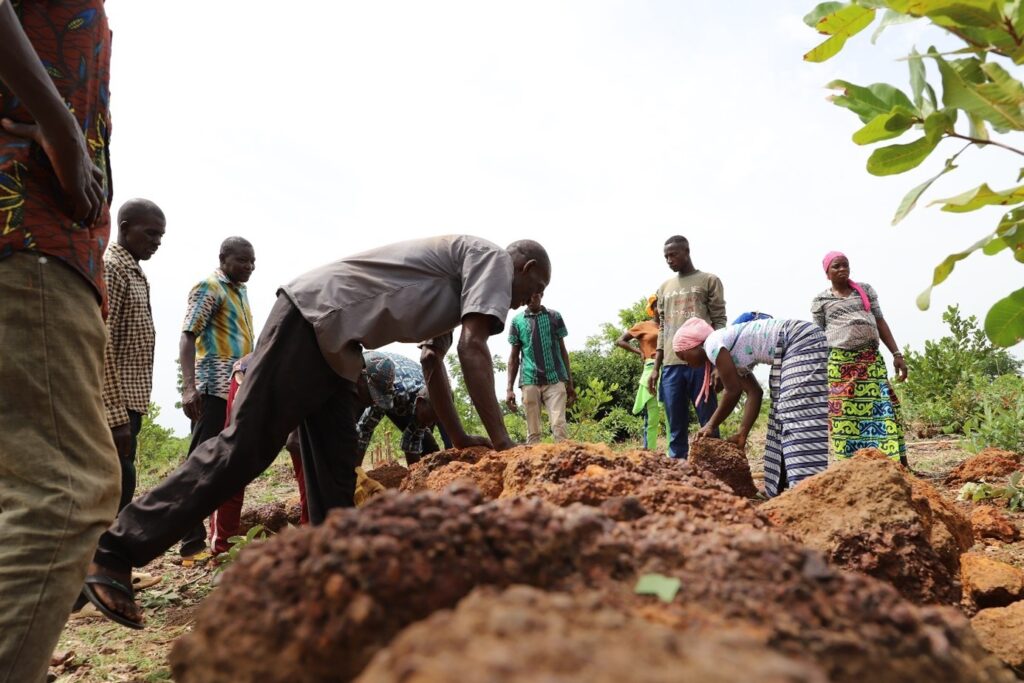
All technologies presented have been tested and validated by farming communities in Soil Values areas of intervention. This participatory process guarantees the relevance, feasibility, and effectiveness of the recommended practices.
The program has also popularized these technologies through numerous regional and local agricultural events, providing opportunities for exchange, learning, and capacity building for hundreds in the sector. Farmers, technicians, researchers, and partners can find reliable resources through the fact sheets below to improve soil management and address the challenges of soil degradation in West Africa.
By making these innovations accessible, Soil Values is strengthening farming communities and sustaining its own role as a catalyst for sustainable, resilient agriculture that is adapted to local realities.