Fertilizers and the Foundation of Modern Agriculture
Prior to the global development of manufactured commercial fertilizers1 in the 19th and early 20th centuries,2 crop production often existed in a state of potential collapse. For much of agricultural history, crops were simply grown in available soil and received no supplemental nutrients. Decreasing crop yields and soil quality resulted, as soil was depleted of organic matter and important fertilizer nutrients such as nitrogen (N), phosphorus (P), and potassium (K).
While some farmers did employ excellent production practices, such as implementing crop rotation, planting nitrogen-fixing legumes, and applying organic materials, most crop production was still performed on soils of eroding quality with few inputs, which led to decreased yields, possible crop failures and, in the worst cases, malnutrition or even starvation within the population.
The development of commercial fertilizers drastically changed this situation. While other beneficial practices, such as better soil stewardship, improved crop varieties, and pest control methods, played an important role, commercial fertilizers made it possible to feed the world’s growing population. These fertilizers are indispensable for sustaining a level of crop production capable of meeting such needs.
LIFe-US aims to reduce the United States’ dependence on imported fertilizers and raw materials and ease the trade burdens that come with geopolitical instability.
Growing Threats to Fertilizer Security
Considerable challenges currently impede access to fertilizer, however. The availability and cost of fertilizers have increasingly become linked to geopolitical events that affect the pricing and production of both the raw materials used to make fertilizers and the fertilizers themselves.
In the past year, nitrogen supplies and prices have increased, especially since late February 2026 with the start of the Middle East conflict and subsequent closure of the Strait of Hormuz. China is notably keeping much of its national fertilizer reserves at home, reducing available export volumes.
The United States imports significant portions of the fertilizer it needs – much of its potash and substantial amounts of nitrogen and phosphorus – making domestic agriculture especially vulnerable to geopolitical disruptions. Availability and pricing of potash (potassium chloride) is affected by tariffs and production factors, with the United States reliant on much of its potassium from Canada.
Interruptions in the fertilizer supply chain affect fertilizer pricing, crop production, and ultimately food security, and fertilizer availability and pricing as a geopolitical disruptor will certainly continue to be a factor in trade.
The Need for New Fertilizer Technologies and Supply Chains
It is critical therefore that the United States work to reduce its dependence on concentrated, geopolitically sensitive fertilizer minerals (e.g., phosphorus and potash) and supply chains. In addition to the development of new supply chains, the United States should explore and invest in improved mechanisms for safer, energy-efficient nitrogen production, including the “green” and “blue” methods3 for nitrogen manufacture.
Alternative sources of nutrients should also be explored, including recycled waste materials or those from processing and food streams. Examples include manures, food waste, and residues from animal processing (e.g., feather and bone meal). These biologicals show some promise for increasing fertilizer use efficiency and nutrient uptake and reducing plant stress. Other organic materials to study include bacterial additives, fungal compounds, algae, seaweed, humic materials, and biochar.4 All of these can potentially benefit U.S. fertilizer use, crop production, and food security.
Reigniting American Fertilizer Innovation through LIFe-US
The context of this moment and its challenges – geopolitical tensions, reliance on imported fertilizers and materials, and the need for fertilizer research and new supply chains – are why IFDC seeks to create an urgently needed center for fertilizer innovation in Alabama: the Laboratory of Innovations for Fertilizers in the United States (LIFe-US).
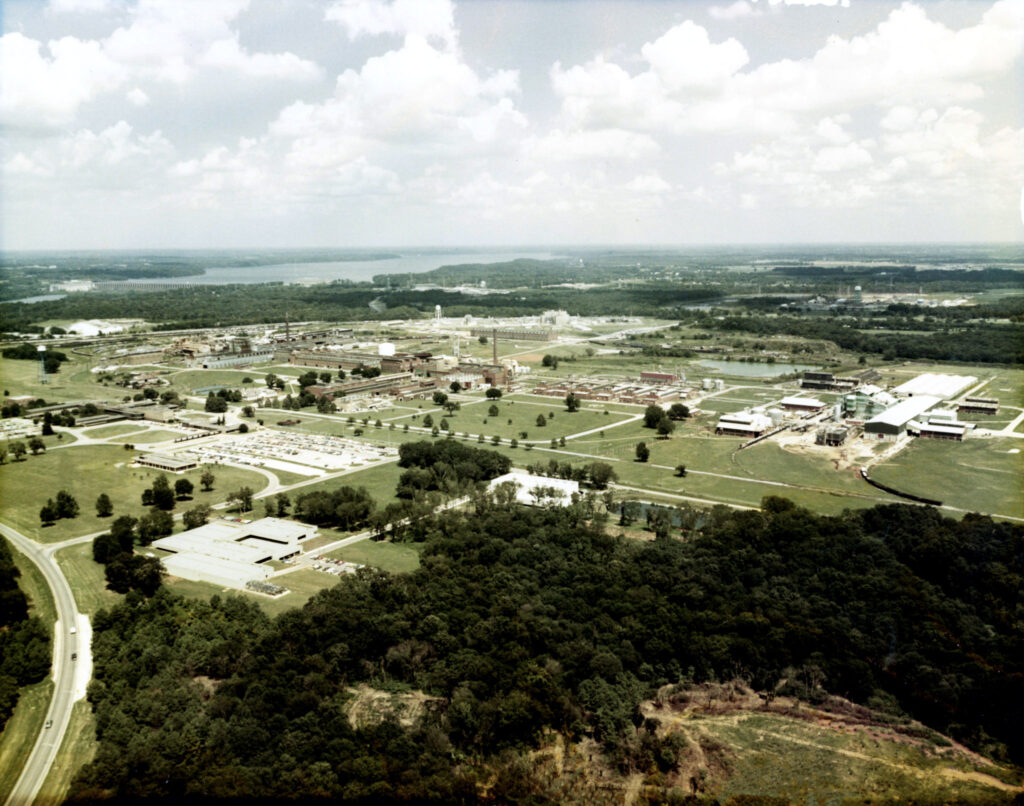
Fertilizer development has a long history in Muscle Shoals, Alabama, dating from the 1933 creation of the Tennessee Valley Authority (TVA), which mandated soil improvement through fertilizer in the southern United States. The work of the TVA’s National Fertilizer Development Center (NFDC), and its offshoot IFDC (since 1974), has led Muscle Shoals to become an international center for fertilizer research and development and IFDC to become widely experienced and well prepared to establish LIFe-US.
LIFe-US will serve as a national hub for innovative leading research on fertilizers and plant nutrition. It will facilitate collaboration among academia, industry leaders, policymakers, and farmers to drive innovation in sustainable agricultural practices. Such an organization will provide strategic leadership for the development and study of novel and new fertilizers.
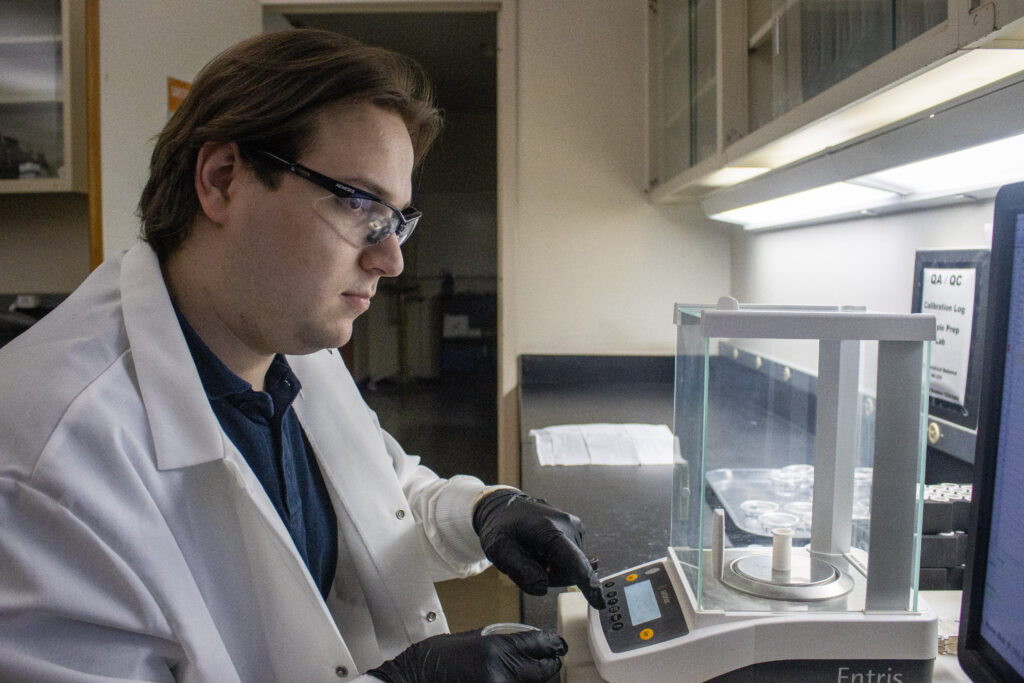
In addition to studying the role of fertilizers in providing plant nutrients, LIFe-US will also evaluate their impact on the environment, including runoff and leaching, gaseous emissions, and nutrient use efficiency. All of this work will help to ensure continued crop productivity here in the United States and a more protected global food supply chain.
Once established, LIFe-US will quickly become a leader in essential studies on fertilizer development, use, and potential fate after application, with industry and academic partners conducting research, publishing results, hosting extension education, and partnering on technological product development.
The center will also operate as an unbiased product development and testing facility for the many fertilizer companies that outsource this type of work, leading to a substantial return on initial investments.
LIFe-US aims to reduce the United States’ dependence on imported fertilizers and raw materials and ease the trade burdens that come with geopolitical instability.
This center is an ideal opportunity to engage the legacy of IFDC by creating a next-generation research and technology center for fertilizer testing and development, building on the history of fertilizer development in Alabama and moving that science forward to meet the needs of today and beyond. Past experience and present innovation will help LIFe-US secure safer, more reliable food production for the United States and the world.
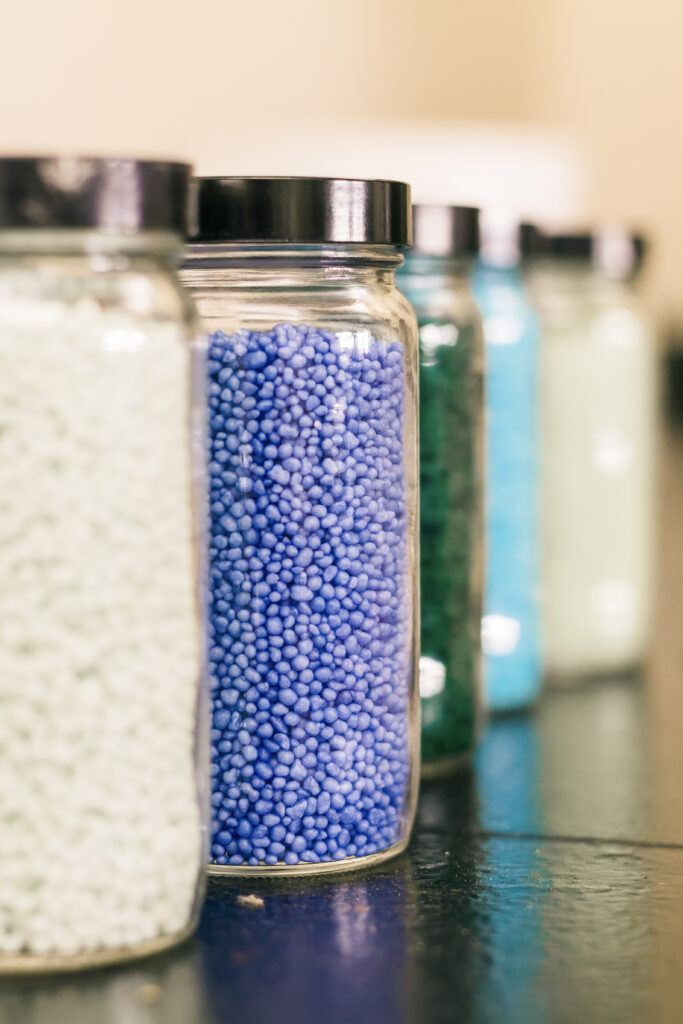
- For this discussion, the term commercial fertilizer is used to describe highly analyzed fertilizers manufactured via an industrialized chemical or physical process and so would not include manures or waste materials. Examples of commercial fertilizer include urea, diammonium phosphate, ammonium sulfate, and calcium nitrate. ↩︎
- Early examples include the manufacture of superphosphate in the early 19th century, created by mixing ground animal bones and sulfuric acid. Potassium fertilizers were first developed in Germany in 1861, while the first nitrogen material, calcium nitrate, was created in 1903. See: Russel, D.A., and G.G. Williams. 1977. “History of Chemical Fertilizer Development,” Soil Science Society of America Journal, 41(2): 260-265. https://doi.org/10.2136/sssaj1977.03615995004100020020x. ↩︎
- The terms green and blue refer to methods that produce ammonia from N2 and H2, similar to the Haber-Bosch method but with fewer emissions. ↩︎
- The use of sources described here requires agronomic expertise as the release of plant nutrients (N, P, and K, as well as macro- and micronutrients) from these materials to the crop may be slower than that of traditional commercial fertilizers. ↩︎