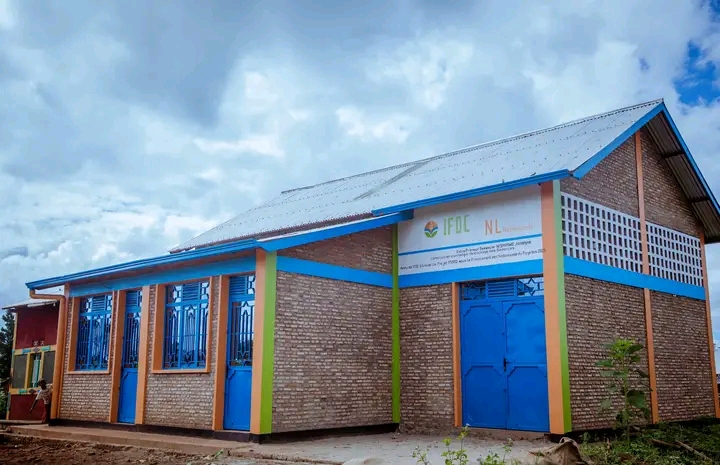
Now in its second phase, the Private Seed Sector Development (PSSD2) project (2024-2026), funded by the Embassy of the Kingdom of the Netherlands in Burundi and implemented by IFDC, is playing a significant role in strengthening and professionalizing Burundi’s seed sector.
Through targeted investments and support to seed entrepreneurs, the project is helping improve seed production, storage, transportation, and overall resilience and productivity within agricultural communities.
PSSD2’s interventions have benefited seed entrepreneurs in Burundi with the construction of 22 seed storage warehouses, the provision of four three-wheeled motorcycles, and three community irrigation structures. Investments in this infrastructure and equipment are designed to improve seed preservation, reduce post-harvest losses, and enhance the quality and reliability of seed production systems, ultimately improving farmers’ access to certified seeds and increasing agricultural productivity.
…project participants view PSSD2 as a major advancement for Burundi’s agricultural development.
Growing Stronger Seed Systems in Burundi
During a recent field visit conducted by PSSD2 Communications Officer Egide Nduwayezu, to the provinces of Burnyerera, Buhumuza, and Gitega, PSSD2 participants shared positive feedback about the project’s impact on their farming activities and livelihoods. Producers reported improved organization, reduced losses, and greater capacity to manage and store their crops effectively.
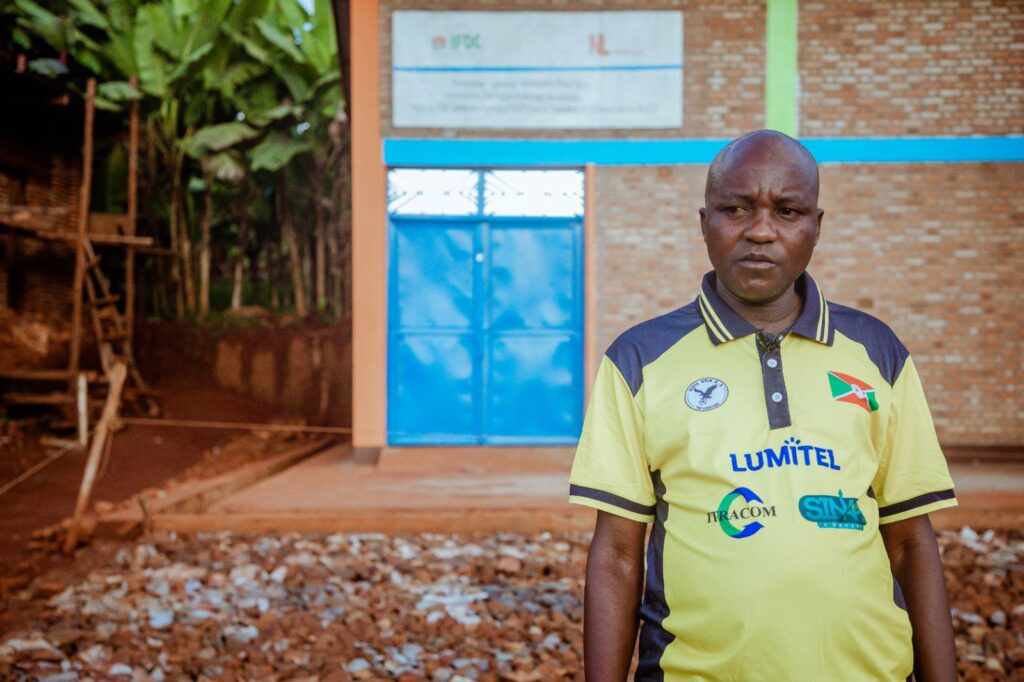
Seed entrepreneur Pierre Claver Ndayishimiye, for example, highlighted how the improved storage facilities now allow him to better preserve his 90 metric tons of maize and bean production and protect it from the diseases and damage it had been subject to in the past.
Additionally, three-wheeled motorcycles provided by PSSD2 support seed entrepreneurs in transporting their seeds from the storage warehouses to points of sale, not only easing the burden of transportation for the seed entrepreneurs themselves but importantly for farming households as well, who can more easily access local points of sale for quality seed without traveling long distances.
Irrigation and Solar Energy Unlock Year-Round Production
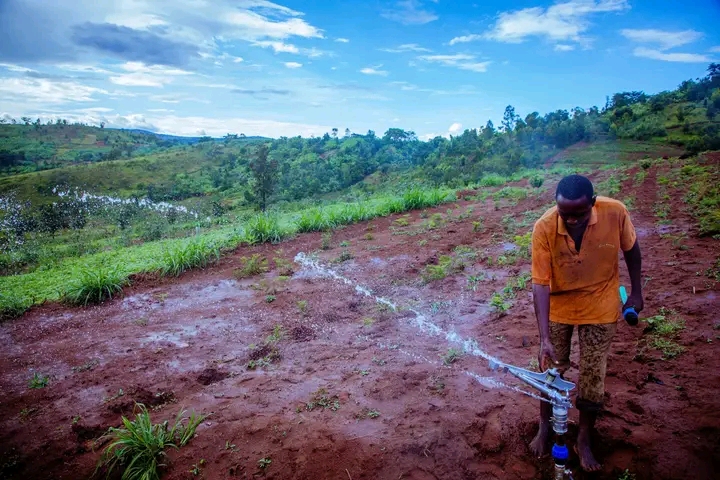
The project has also transformed seasonal opportunities for its participants by introducing irrigation systems, water collection systems, and solar energy. These innovations are enabling producers to cultivate crops during the previously underutilized dry season.
Seed entrepreneurs Monique Rwasa and Léoncie Ciza explained that they are now able to produce maize and beans throughout the year, both cultivating over 20 hectares each and helping reduce the impacts of climate change while improving household food security and income stability. They are now better equipped to serve their communities and reach potential clients.
As an additional shared resource, Monique, Léoncie, and others who are benefiting from the irrigation systems plan to install public water taps for surrounding communities to access clean drinking water.
To ensure sustainability and shared ownership of the infrastructure and equipment introduced, IFDC has implemented a tailored co-financing model. Under this approach, professional producers (those with five or more years of experience) contribute 30% of the investment costs, intermediate producers (those with two to four years of experience) contribute 40%, and emerging producers (those with one to two years of experience) contribute 50%.
This system encourages producer commitment while making critical infrastructure more accessible to different farmers.
Contributing to Burundi’s Long-Term Agricultural Sustainability
Building on the achievements of PSSD1 (2018-2024), the PSSD2 project continues to strengthen seed multipliers for maize, beans, potatoes, and vegetables.
Overall, project participants view PSSD2 as a major advancement for Burundi’s agricultural development. Beyond improving food security, the initiative is contributing to the country’s Vision Burundi 2040-2060 goals by supporting agricultural modernization, strengthening climate resilience, creating employment opportunities, and generating broader economic and social benefits for rural communities.
The Private Seed Sector Development, Phase II (PSSD2) (2018-2026), funded by the Dutch Ministry of Foreign Affairs and implemented by the International Fertilizer Development Center (IFDC), aims to increase the production and incomes of 178,000 farmer households in Burundi. The project works with private and public sector partners to promote the development of a private sector-led seed industry that is able to provide farmers with sustainable access to high-quality seed and agricultural advisory services.