Healthy soils are the foundation of productive farms, resilient food systems, and thriving rural communities. Restoring and protecting soil health requires improved technologies and better inputs, but it also demands coordinated action among government institutions, researchers, universities, farmers, the private sector, and development partners working toward a common goal.
“Soil health is…the foundation upon which food sovereignty, economic growth, environmental protection, and the prosperity of future generations are built.”
Mulugeta Abera of the Ministry of Agriculture
Recognizing this need, IFDC, through the Transform Soil Fertility Management in Ethiopia (TRANSFORM) program, is supporting the establishment and strengthening of national and regional Soil Health and Fertility Multi-Stakeholder Platforms (MSPs) across Ethiopia. These platforms provide a space where diverse stakeholders can align priorities, share evidence, coordinate investments, and jointly address soil health challenges.
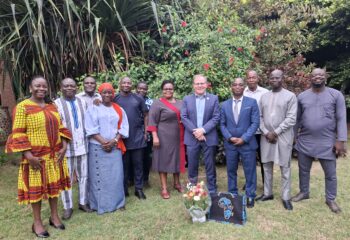
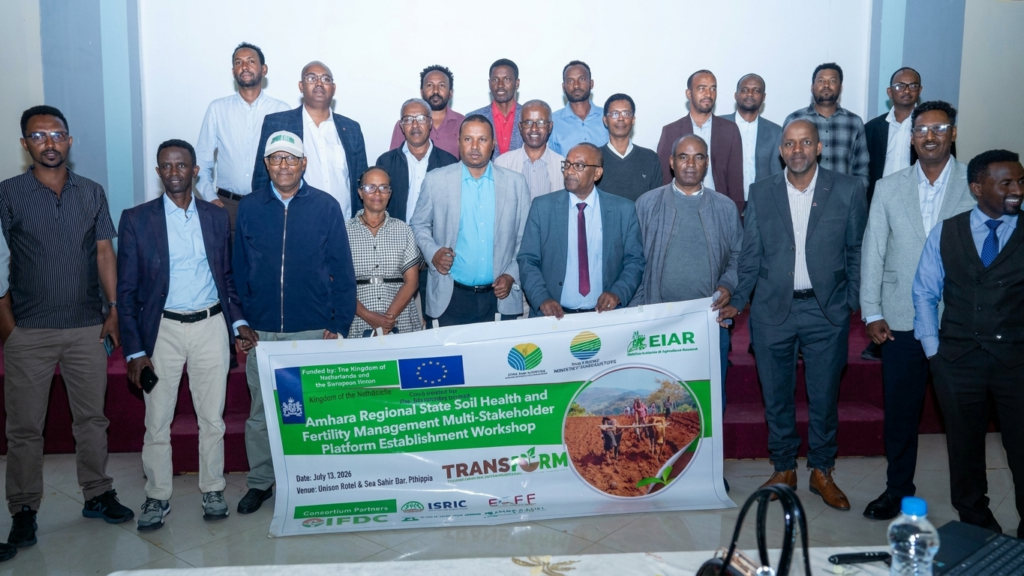
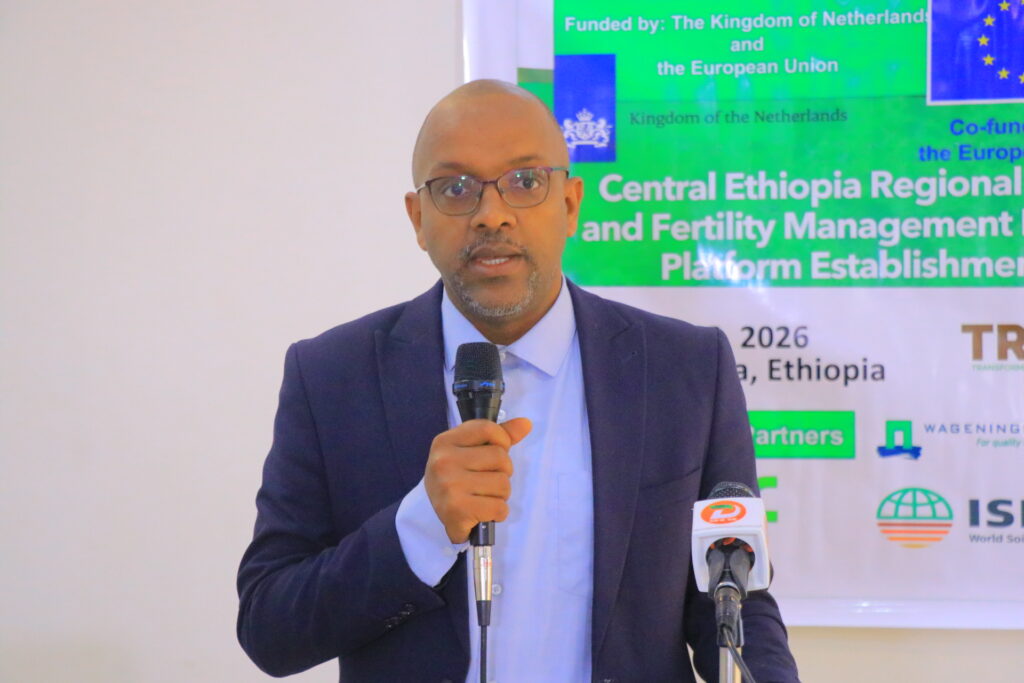
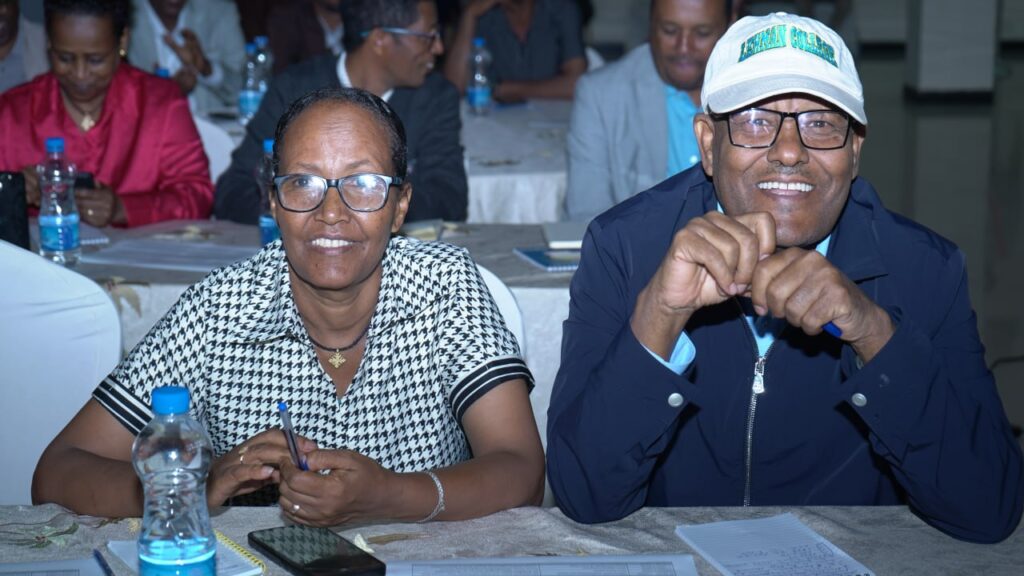
This collaborative approach recently gained momentum through regional MSP establishment workshops held in Amhara, Central Ethiopia, and Oromia. Bringing together representatives from government, academia, research institutions, the private sector, and development organizations, the workshops aimed to align regional priorities with Ethiopia’s national soil health agenda and strengthen collective action for sustainable agricultural development.
Soil Health as a Foundation for Ethiopia’s Future
At the Oromia Regional Soil Health and Fertility MSP workshop, Mulugeta Abera Head of Soil Health and Fertility Improvement Desk of the Ministry of Agriculture underscored the strategic importance of soil health to the country’s development aspirations. “Soil health is … the foundation upon which food sovereignty, economic growth, environmental protection, and the prosperity of future generations are built,” he said.
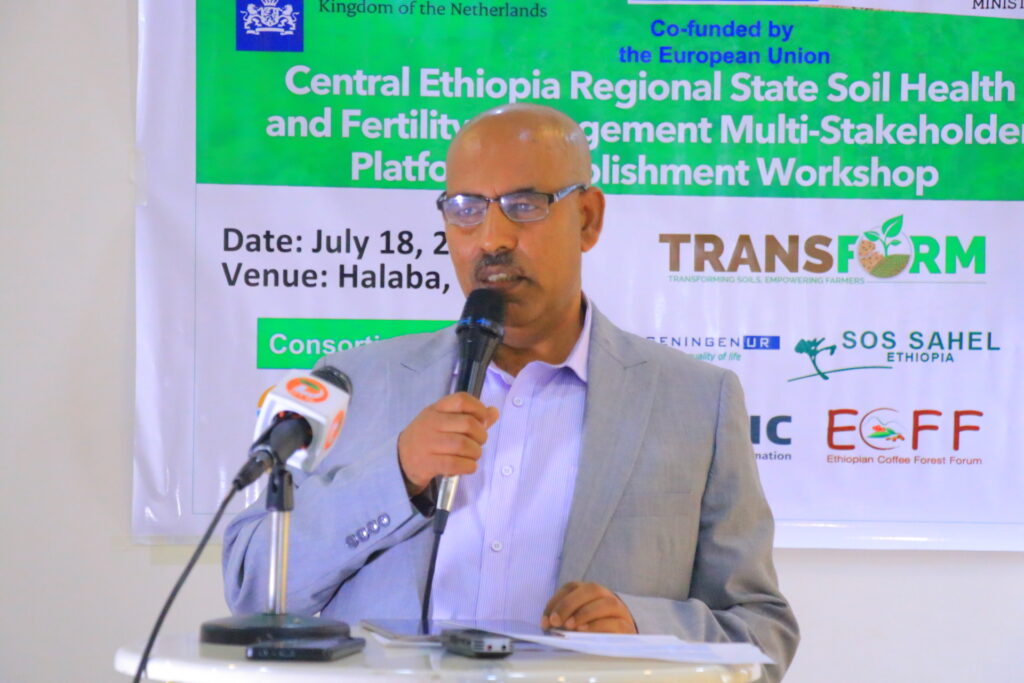
His remarks captured a shared understanding among participants: improving soil health is not the responsibility of a single institution. It requires coordinated leadership, sustained commitment, and partnerships that connect science, policy, markets, and farming communities.
Building Consensus around Six Priorities
Across the three regional workshops, stakeholders identified six priority areas for collective action:
- Scaling Integrated Soil Fertility Management (ISFM) through locally appropriate solutions.
- Strengthening links between research, evidence, and policy to support informed decision-making.
- Improving soil testing services, laboratory capacity, and quality standards.
- Putting farmers at the center of innovation through Participatory Integrated Planning (PIP).
- Expanding the role of universities in research, innovation, and scaling.
- Strengthening public-private partnerships to accelerate adoption and investment.
While these priorities vary in scope, they center on a common objective: creating a more coordinated and effective soil health system that enables farmers to adopt sustainable practices and improve productivity.
Turning Dialogue into Action
A key lesson emerging from the workshops is that MSPs create lasting value when they are embedded within government systems, driven by local ownership, and sustained beyond individual projects. Participants emphasized the importance of strong governance structures, clearly defined responsibilities, technical working groups, accountability mechanisms, and regular follow-up to ensure that discussions translate into measurable results.
Rather than serving as discussion forums alone, the MSPs are designed to become catalysts for coordinated action, helping stakeholders move from shared challenges to shared solutions.
Early Results Demonstrate the Power of Partnership
The MSP approach is already contributing to the broader efforts of TRANSFORM to strengthen soil health and fertility management across Ethiopia. To date, the program has supported multiple stakeholders and efforts, including training 13,975 farmers in PIP, identifying and implementing interventions on 48 land restoration sites, launching 17 action research agendas, training 1,090 entrepreneurs in organic soil inputs, and more.
These achievements demonstrate that improving soil health requires a systemic approach that connects farmers with researchers, institutions, markets, and policymakers. By strengthening these connections, stakeholders are creating the conditions needed for sustainable agricultural transformation.
Looking Ahead
As Ethiopia continues its journey toward healthier soils and more resilient food systems, multi-stakeholder collaboration will remain essential. Through the TRANSFORM program, IFDC is helping build the partnerships, institutions, and coordination mechanisms needed to turn ambition into action through initiatives such as the national and regional MSPs.
These MSPs mark an important step toward ensuring that soil health challenges are addressed collectively, enabling smallholder farmers, communities, and institutions to work together for a more productive, resilient, and sustainable agricultural future in Ethiopia.
The TRANSFORM project (2025-2028) is funded by the Embassy of the Kingdom of the Netherlands and the European Union and is implemented by a consortium comprising the International Fertilizer Development Center (IFDC), Wageningen University & Research/Wageningen Environmental Research, ISRIC – World Soil information, Environment and Coffee Forest Forum (ECFF), and SOS Sahel Ethiopia.

TRANSFORM is made possible by the support from the Dutch Ministry of Foreign Affairs.