Achieving greater impact on soil health depends on strong coordination among individual programs, alignment with country priorities, and partnerships that build on what already exists rather than duplicating efforts.
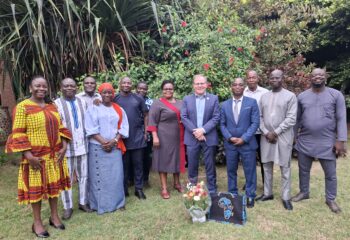
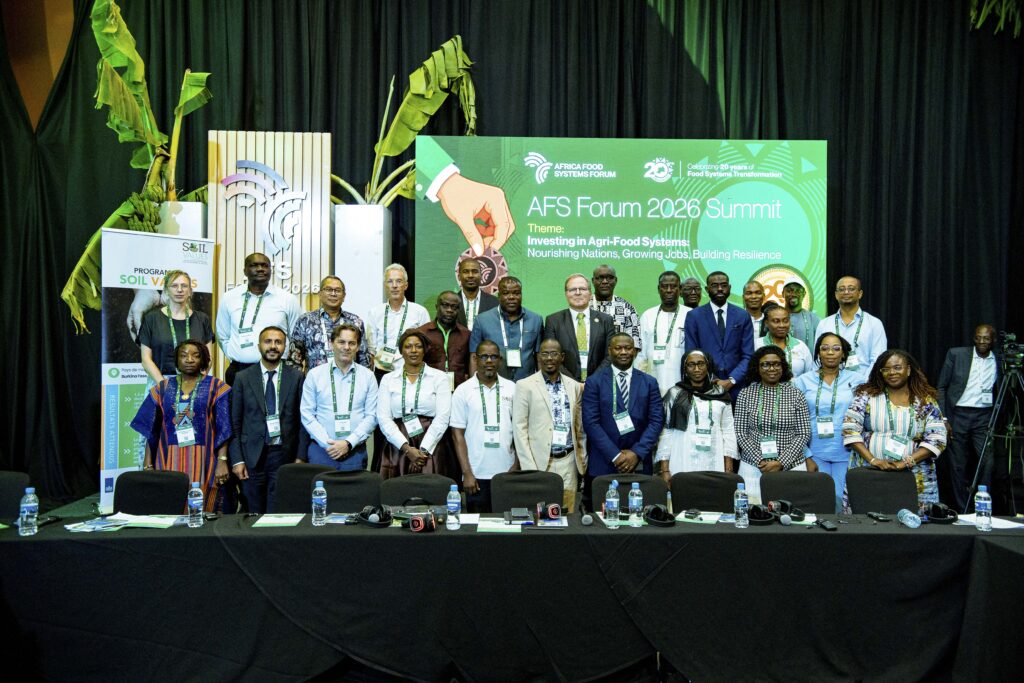
During its second Advisory Committee meeting held on September 3 during the Africa Food Systems Forum 2026 in Kigali, Rwanda, the Soil Values program reinforced country-led partnerships, identified opportunities for stronger collaboration, and advanced a shared agenda for scaling soil health solutions.
Chaired by Henk van Duijn, President and CEO of IFDC, the meeting convened representatives from the Soil Values consortium, partner projects and programs, ministries of agriculture from implementing countries, farmer organizations, the private sector, and research institutions.
“A key element of the Program Advisory Committee is that we really need to listen to the demands of each of the countries that are our partners.”
Harko Koster, SNV Global Lead on Climate and Food Systems
Aligning Action with Country Priorities
A key message from the meeting was the importance of grounding program interventions in existing national initiatives and priorities. As countries pursue different pathways toward sustainable agricultural transformation, Soil Values should ensure stronger alignment with national strategies to maximize resources, avoid unnecessary repetition, and accelerate the adoption of proven solutions.
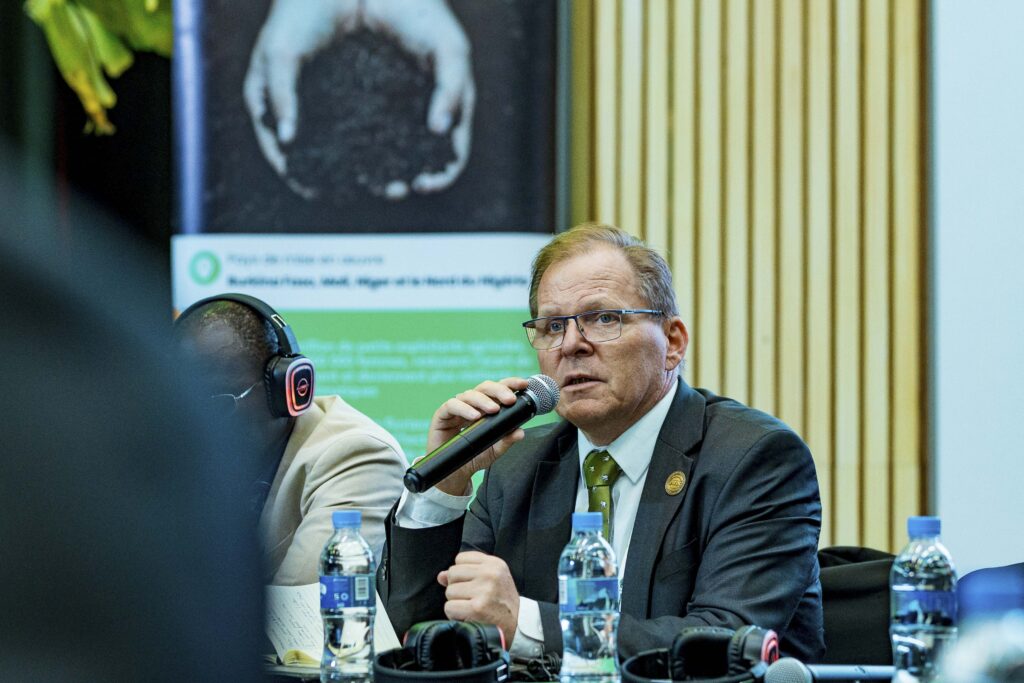
Harko Koster, SNV’s Global Lead on Climate and Food Systems, highlighted the importance of paying attention to the specific countries’ needs and contexts. “A key element of the Program Advisory Committee is that we really need to listen to the demands of each of the countries that are our partners,” he said.
“There are already initiatives existing and we don’t need to duplicate this.” His remarks reflected a broader consensus emerging from the meeting: impact is most sustainable when programs strengthen and complement existing national efforts rather than creating parallel mechanisms.
This principle is especially important as different countries face vastly different soil, agricultural, institutional, and investment challenges. Soil Values must identify where the program can add value by connecting actors, mobilizing expertise, and supporting country priorities through targeted technical and partnership support.
Turning Partnerships into Coordinated Action
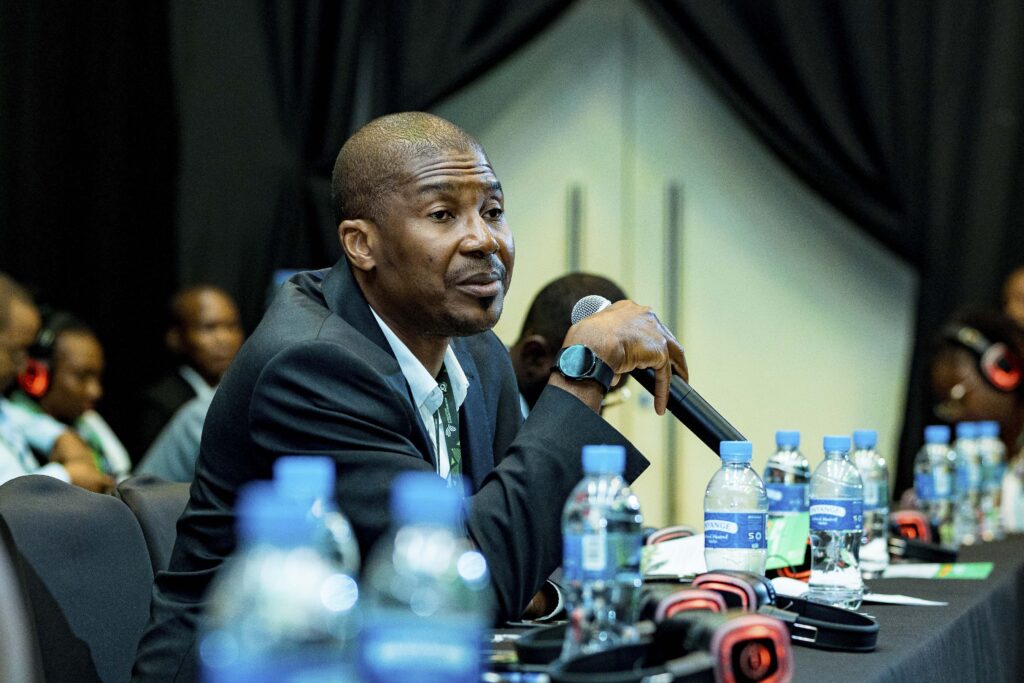
A second outcome of the discussions was recognizing the need to move toward practical collaborative action around shared priorities. Messotigui Diomandé, Executive Secretary of the West African Fertilizer Association (WAFA), emphasized the ongoing collaboration with Soil Values and the opportunities emerging from alignment between partners’ strategic priorities.
“We discussed what is already underway. We have… large projects that we are working on with the Soil Values program,” he noted, adding that discussions around WAFA’s 2025-2030 Strategic Plan revealed areas of convergence between the two partners. Such convergence creates opportunities to coordinate efforts, strengthen complementarities, and build partnerships capable of supporting solutions beyond individual interventions.
Bringing Perspectives Together to Address Implementation Challenges
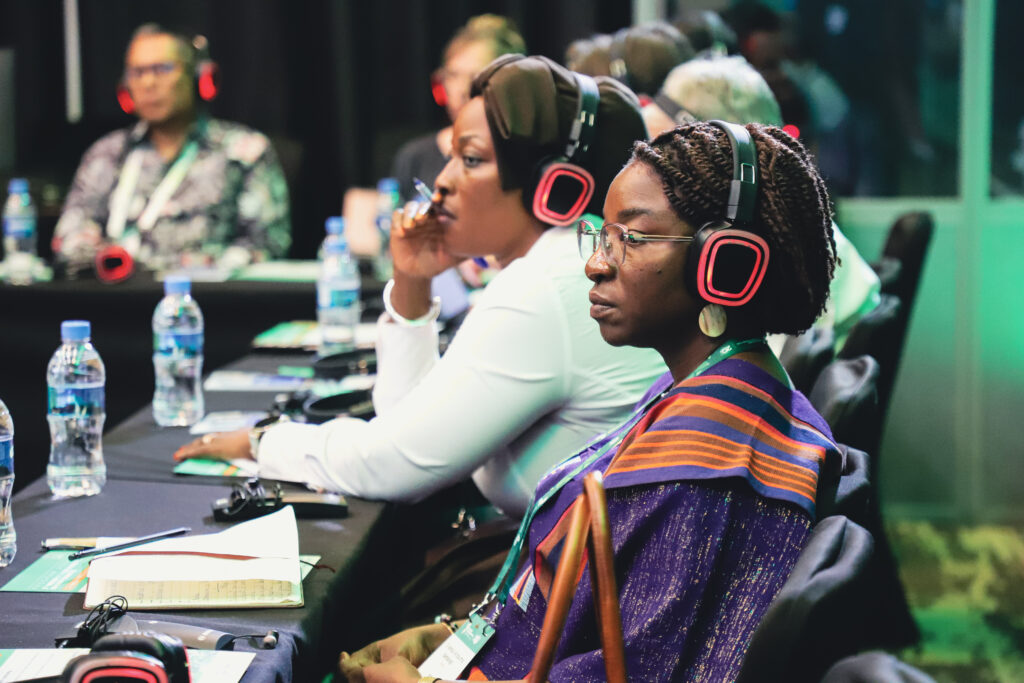
Improving soil health at scale requires contributions from actors operating at different levels of the agricultural system. Governments, research institutions, farmer organizations, development partners, and private sector actors each hold pieces of the solution; the Advisory Committee meeting provided a platform for the groups to share those individual pieces by exchanging perspectives on implementation challenges and opportunities.
This diversity of perspectives helped identify bottlenecks that cannot be addressed by a single institution and created opportunities for more coordinated responses. The value of this multi-stakeholder approach lies in connecting what is happening on the ground with national priorities, technical knowledge, market actors, and implementation partners.
This strategy also allowed experiences from different countries and initiatives to inform future decision-making, strengthening the program’s ability to respond to real implementation needs while promoting cross-country learning.
Strengthening the Foundations for Greater Impact
Beyond reviewing progress, the second Soil Values Advisory Committee meeting produced a clearer framework for collaboration around soil health restoration and sustainable land management. Participants reaffirmed the importance of country ownership, strong coordination, strategic partnerships, and shared commitment to scaling solutions.
As the program advances its 10-year agenda to combat land degradation and restore soil fertility across Burkina Faso, Mali, Niger, and Nigeria, these principles will be essential to achieving impact at scale. Through its convening role, Soil Values is bringing together institutions that influence policy, investment, research, and implementation, and by strengthening these connections, the program contributes to an enabling environment where proven soil health solutions can be adopted more widely and effectively.
The next phase of implementation of the program will focus on turning areas of convergence and partnerships into coordinated implementation and measurable results for farmers. By strengthening country-led partnerships and building on existing initiatives, Soil Values is creating the conditions needed to restore soil health, improve agricultural productivity, and support more resilient food systems across West Africa.

Funded by the Dutch Directorate-General for International Cooperation (DGIS), the Soil Values program is being implemented over 10 years (2024-2033), led by the International Fertilizer Development Center (IFDC), in consortium with SNV and Wageningen University and Research (WUR), as well as knowledge partners such as AGRA, the Landscape Alliance (CIFOR-ICRAF), the International Institute of Tropical Agriculture (IITA), ISRIC – World Soil Information, and the International Water Management Institute (IWMI).