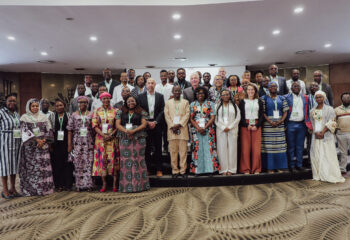
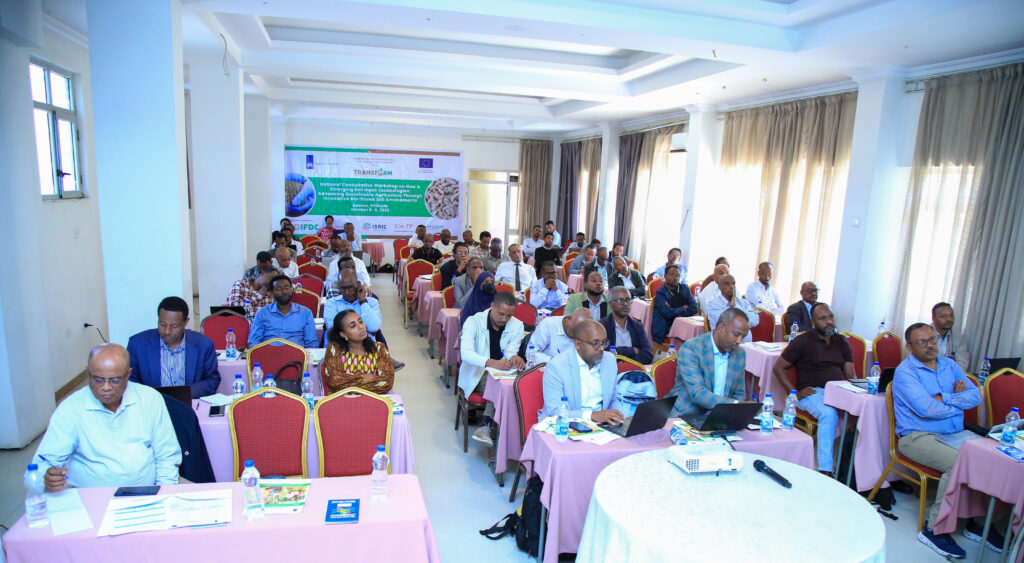
The Transform Soil Fertility Management in Ethiopia (TRANSFORM) program recently organized the National Consultative Workshop on New and Emerging Soil Input Technologies: Advancing Sustainable Agriculture Through Innovative Bio-Based Soil Amendments.
Taking place on October 8‑9 in Adama, this event brought together government institutions, researchers, universities, private sector actors, and development partners to explore emerging soil input technologies.
The workshop primarily aimed to create a shared understanding of the status of research, production, and commercialization of innovative soil fertility and soil health technologies. It also explored opportunities for private sector engagement in these areas, along with distribution.
“The workshop contributes significantly to further strengthening and sustaining the work done so far regarding the use and expansion of organic fertilizers, as well as integrated soil fertility management.”
Sileshi Ainekulu, Soil Health and Fertility Improvement Expert at the Ministry of Agriculture
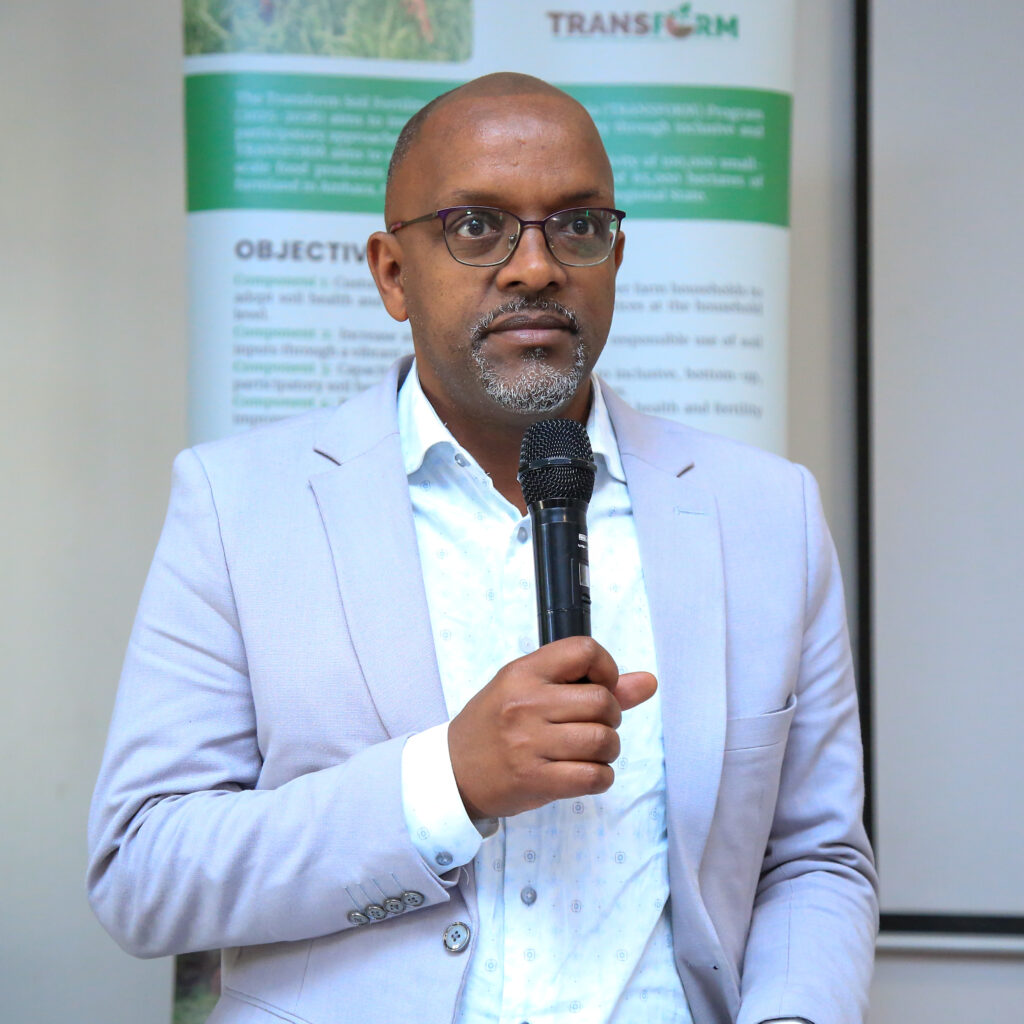
In his opening speech, TRANSFORM Program Director Kassahun Adelo described TRANSFORM’s work, especially as it related to the goals of the workshop.
“The program is actively working to improve soil fertility and soil health for 100,000 farmers in the Amhara, Oromia, and Central Ethiopia regions and has already benefited many farmers. In addition, it supports youth involved in vermicompost and compost production by providing technical support across the entire value chain, from production to market linkage and commercialization,” Adelo said.
A key highlight of the workshop was black soldier fly (BSF) technology, which transforms organic waste into valuable products, including poultry feed ingredients and frass fertilizer. Participants also explored innovations such as biochar, bone char, biostimulants, and biological soil amendments.
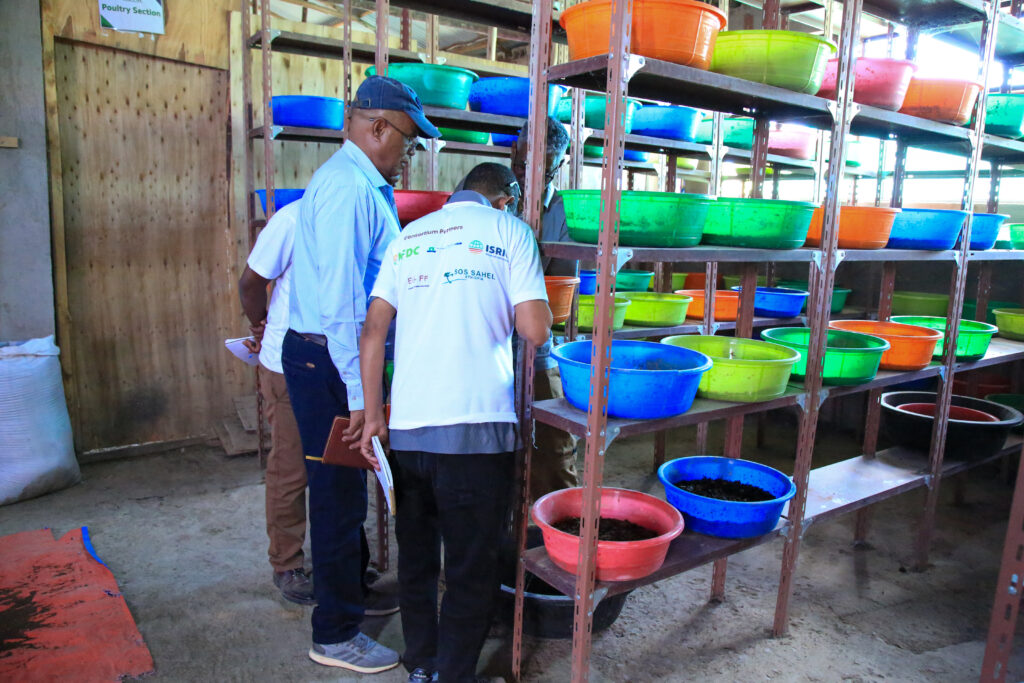
A visit to the Bio and Emerging Technology Institute (BETin) BSF production facility in Adama offered practical insights into the technology’s production processes and commercial potential.
Wollo University also showcased its work in developing BSF production systems and advancing product quality assurance and commercialization. Private sector companies engaged in BSF technology, biochar, biostimulants, innovative biofertilizers, and granulated compost also shared their experiences and showcased their products.
Sileshi Ainekulu, a Soil Health and Fertility Improvement Expert at the Ministry of Agriculture, indicated that the ministry is actively working on acidic, saline, and black soils to improve soil fertility and health. He remarked, “The workshop contributes significantly to further strengthening and sustaining the work done so far regarding the use and expansion of organic fertilizers, as well as integrated soil fertility management.”
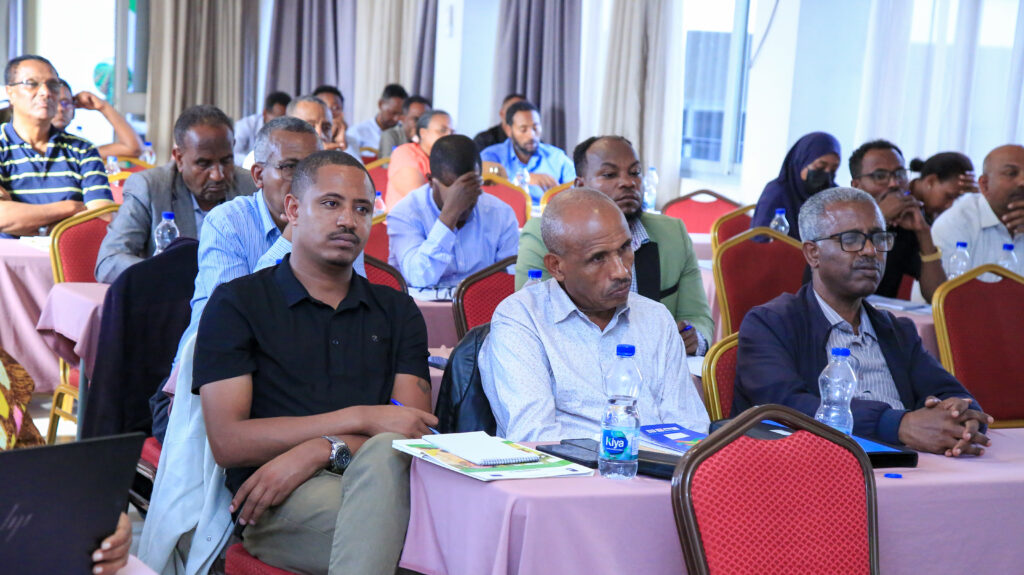
Turning organic waste into valuable agricultural inputs could open new pathways for soil health, circular economy solutions, and agricultural innovation in Ethiopia. Scaling these innovations will require stronger research partnerships, quality assurance, access to finance, greater farmer awareness, and supportive regulatory systems; so for the TRANSFORM program, the workshop highlighted opportunities to strengthen collaboration, validate promising technologies, and explore locally available resources for sustainable soil fertility management.
The TRANSFORM project (2025-2028) is funded by the Embassy of the Kingdom of the Netherlands and the European Union and is implemented by a consortium comprising the International Fertilizer Development Center (IFDC), Wageningen University & Research/Wageningen Environmental Research, ISRIC – World Soil information, Environment and Coffee Forest Forum (ECFF), and SOS Sahel Ethiopia.
TRANSFORM is made possible by the support from the Dutch Ministry of Foreign Affairs.