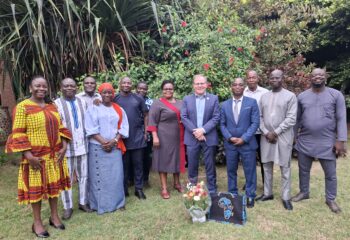
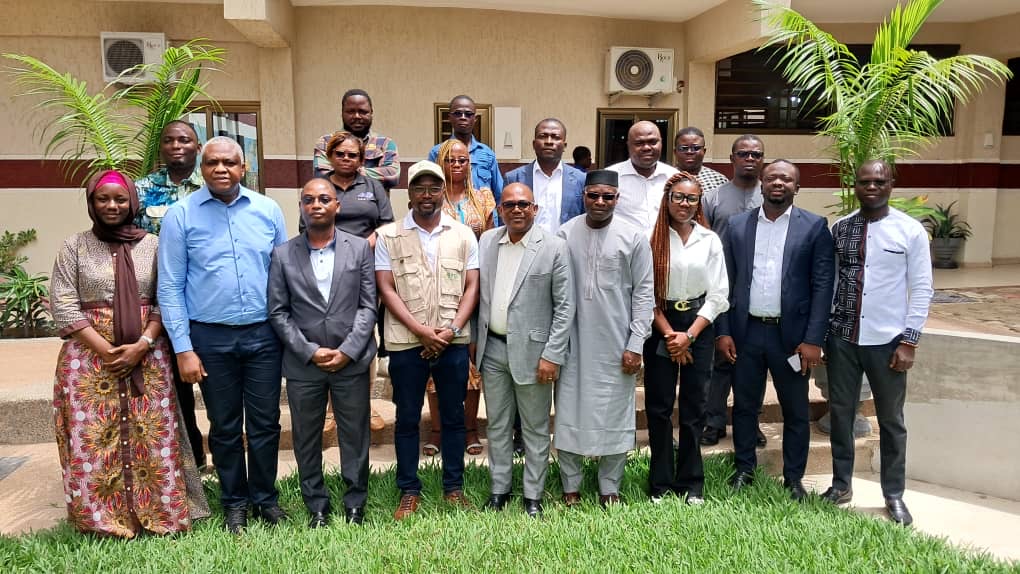
On April 9, IFDC facilitated a meeting of the Hydro-Agro-Meteorological Information System (SIHAM)/West Africa Food Systems Resilience Program (FSRP) Strategic Committee in Kpalimé, Togo, as a Phase 2 program action.
This committee is composed of directors and senior officials from institutions producing agro-climatic information, including IFDC, the Initiative for Climate Action Transparency (ICAT), the Togolese National Meteorological Agency (ANAMET), the Directorate of Agricultural Production (DPA), the Agricultural Input Supply and Management Cooperative (CAGIA), the Togolese Coordination of Farmers’ Organizations and Agricultural Producers (CTOP), Lorica Assurances, and the Directorate of Planning, Statistics, and Monitoring and Evaluation (DPSSE).
SIHAM Strategic Committee Sets Course for Sustainable Agricultural Information Services in Togo
The Strategic Committee meeting, chaired by the Food Systems Resilience Program (FSRP) Togo National Coordinator Dahouda Djele, provided an opportunity to review SIHAM/FSRP’s progress and formulate strategic guidelines aimed at enhancing its effectiveness and ensuring the sustainability of its achievements.
Participants…emphasized the importance of the accuracy of agro-meteorological information as an essential means of strengthening producers’ resilience in the face of climate hazards.
First, IFDC Togo Country Director Adodo Abalo welcomed participants and highlighted the central role of the SIHAM/FSRP Strategic Committee in terms of strategic direction, major decision-making, and resolving key bottlenecks to ensure the program’s effective implementation.
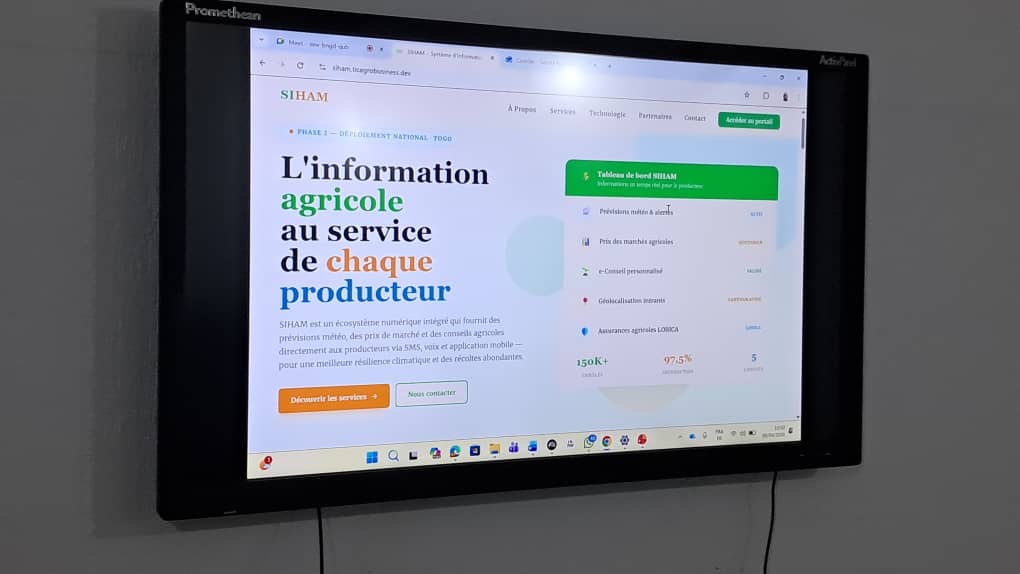
He also noted that the Strategic Committee plays a significant role in the governance of SIHAM, the digital platform currently being developed by the program for disseminating agro-climatic information. SIHAM’s success is a key factor in the sustainability of the project’s achievements.
The subsequent discussions mainly focused on several key themes, including the progress of SIHAM’s development, the sustainability of program actions, the institutional anchoring of the SIHAM system, and the integration of gender considerations into interventions.
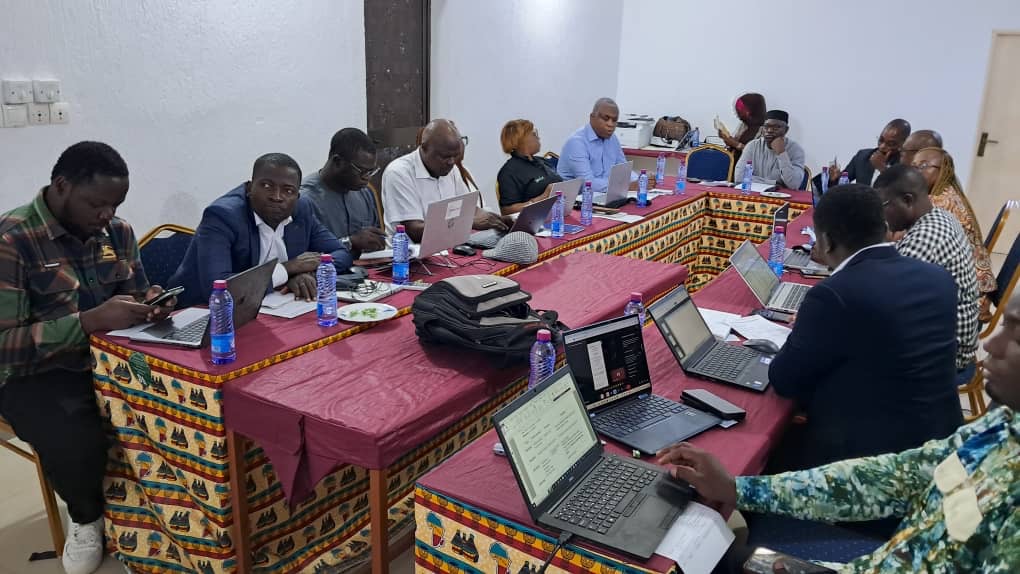
Gender mainstreaming is a strategic priority of the project. After ensuring that at least 30% of enrolled producers are women, the Committee has since endorsed a proactive approach aiming for an operational target of 50% in order to compensate for the structural barriers women face in accessing digital tools and agricultural services.
Building a Sustainable Digital Platform for Climate-Smart Agriculture
Participants additionally emphasized the importance of the reliability and accuracy of agro-meteorological information as an essential means of strengthening producers’ resilience in the face of climate hazards.
Kossi Djifa Hounkali, Director of Agricultural Production in Togo, identified the need to integrate information on pesticides into SIHAM so producers are equipped with all the tools they need for successful agricultural seasons.
At the meeting’s conclusion, Djele highlighted the shared vision among all stakeholders, focusing on improving producers’ performance through better access to reliable, relevant agricultural information. He also observed the need to provide appropriate tools, such as the SIHAM platform, to sustainably achieve these objectives.
Strategic Committee in Togo Advances SIHAM Platform for Resilient Food Systems
The SIHAM/FSRP Strategic Committee meeting helped identify concrete guidelines to strengthen the impact of Phase 2 of the program, particularly in terms of governance, institutional anchoring, and gender mainstreaming.
Discussions confirmed the central role of the SIHAM platform as an operational tool serving producers by facilitating access to reliable and actionable agro-meteorological information.
The Strategic Committee’s key recommendations focus on the institutional and financial sustainability of the SIHAM tool through an autonomous structure, an economic model based on willingness to pay, and private sector involvement. Participants also emphasized functional improvements to the mobile application and establishing inclusive data governance for the post-project phase.
The decisions and recommendations reached during the SIHAM/FSRP Strategic Committee meeting serve as key action points for improving producers’ performance, strengthening their resilience to climate shocks, and ensuring the sustainability of SIHAM/FSRP’s results in Togo.
Designed as an innovative digital platform, the Hydro-Agro-Meteorological Information System (SIHAM)/West Africa Food Systems Resilience Program (FSRP) aims to facilitate farmers’ access to reliable climate information to support informed decision-making. SIHAM/FSRP is made possible through the support of the West Africa Food System Resilience Program (FSRP), financed by the World Bank, the Global Agriculture and Food Security Program (GAFSP), and the Government of Togo.