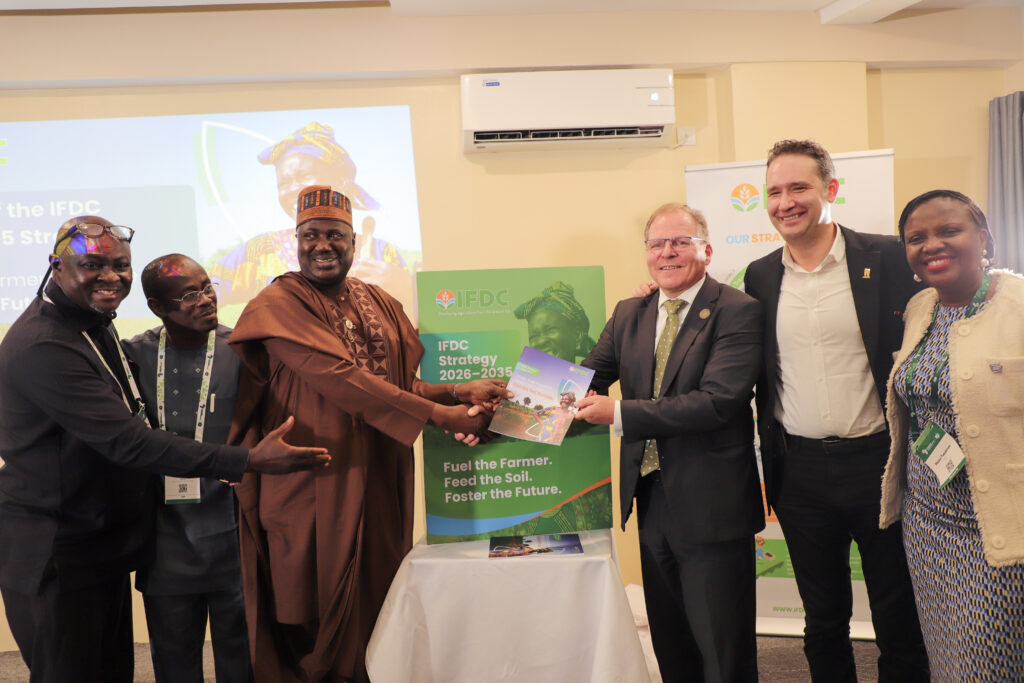
IFDC has launched its Strategy 2026–2035 today on the sidelines of the Africa Food Systems (AFS) Forum 2026. The new strategy is a decisive step toward building food systems that not only can withstand shocks but can thrive. The strategy cements IFDC’s commitment to working alongside farmers, governments, the private sector, and development partners to build more resilient, inclusive, and sustainable food systems.
With the theme “Fuel the Farmer • Feed the Soil • Foster the Future,” the new strategy serves as IFDC’s framework for the next decade. It responds to growing challenges related to food insecurity, soil degradation, population growth, climate change, and the need for sustainable agricultural transformation at scale.
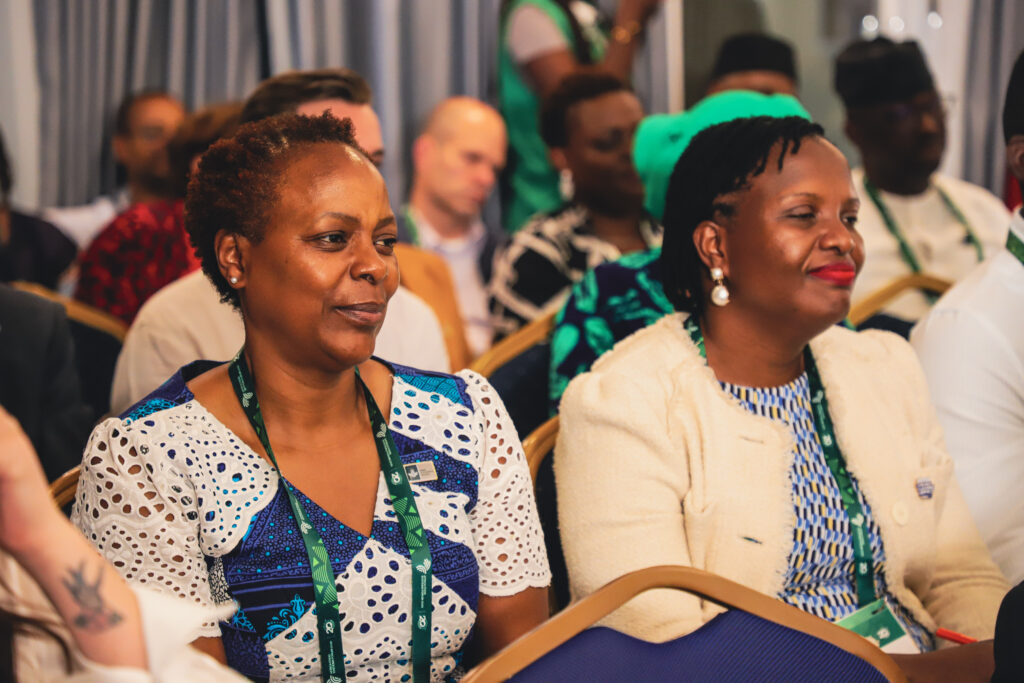
The launch brought together government representatives, development institutions, regional organizations, technical and financial partners, private sector actors, and agricultural development leaders from across Africa.
Three Strategic Priorities for Lasting Impact
IFDC’s Strategy 2026–2035 is structured around three major priorities:
- Farmer Impact at Scale (Fuel the Farmer)
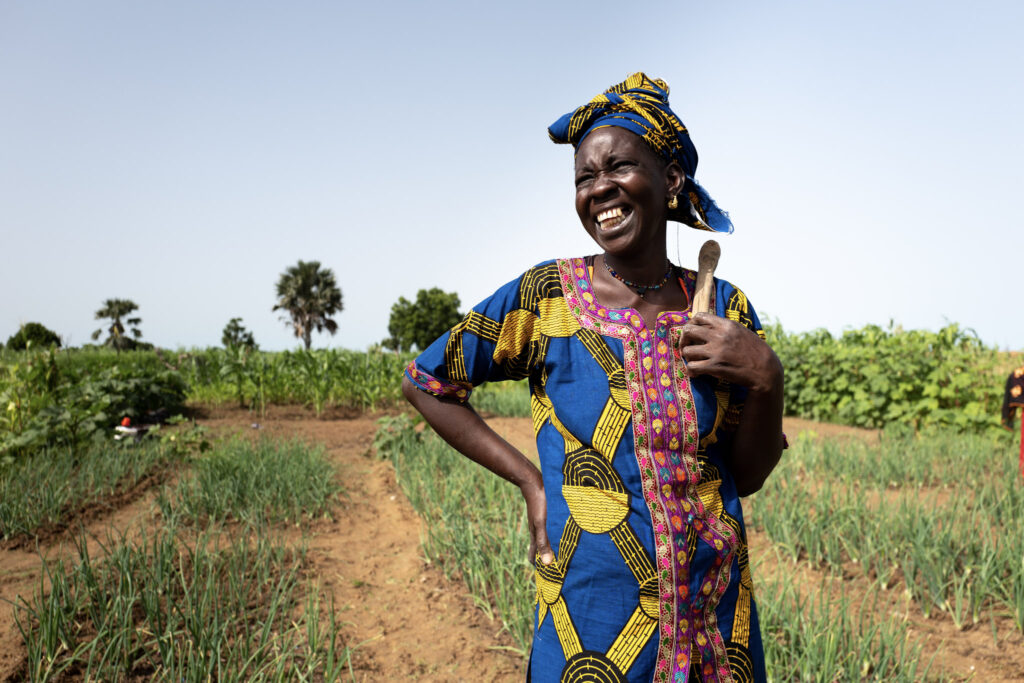
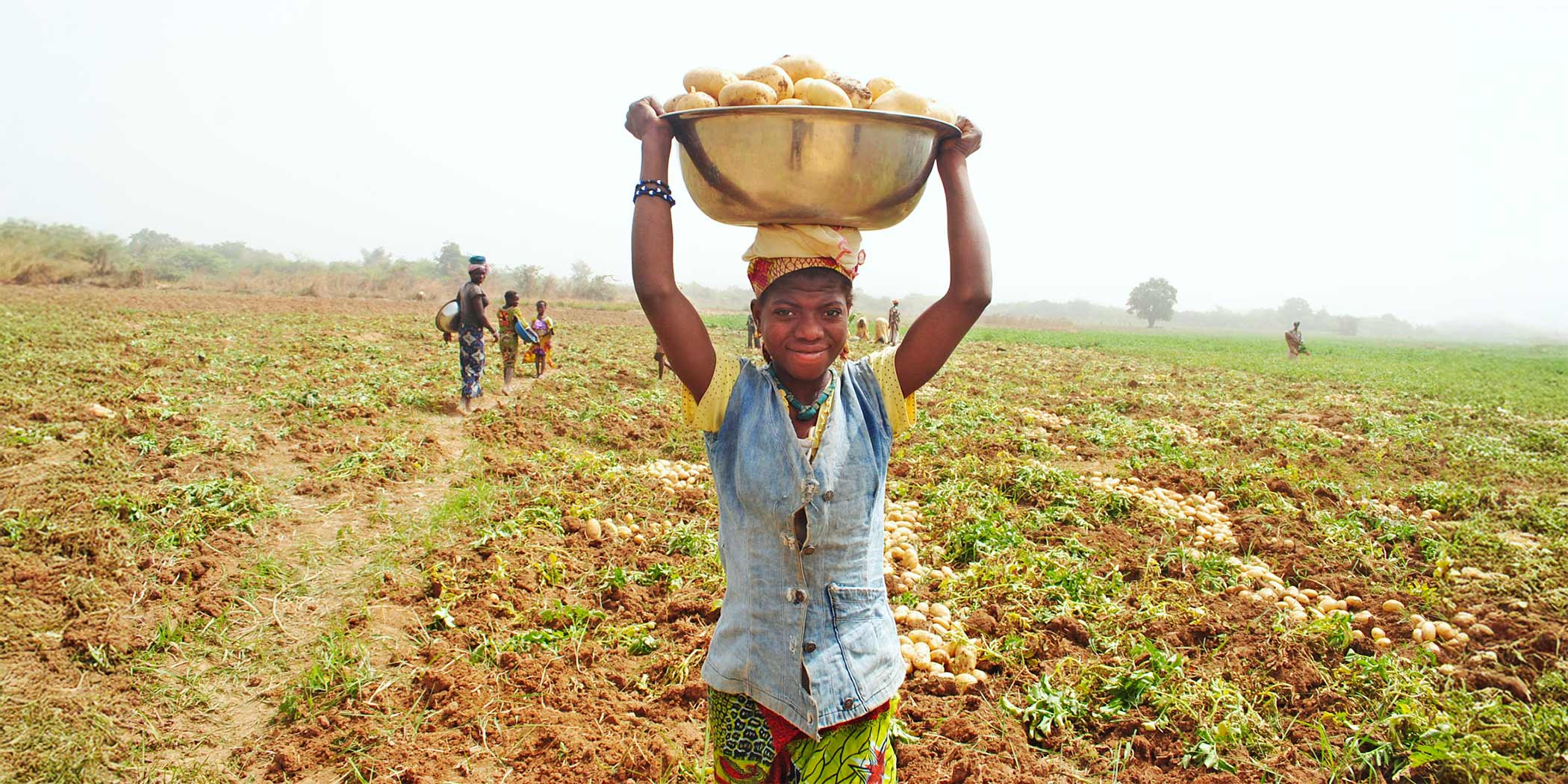
Scientific breakthroughs only matter if they reach farmers and improve livelihoods. IFDC focuses on translating fertilizer and soil research into practical, affordable solutions for smallholder farmers. Through the combination of evidence-based field approaches, the Caravan approach for upscaling transformative technologies, and strong extension partnerships, IFDC ensures that innovations are tailored to local conditions and economically viable.
- Fertilizer Innovation (Feed the Soil)
Fertilizers remain essential to feeding the world, but future gains will depend on how well they work with soils, climate realities, and farming systems.
IFDC does more than research inputs; the organization advances next-generation fertilizer and soil health solutions that are efficient, climate-smart, and grounded in real-world conditions. By bridging the gap between laboratory discovery and market readiness, IFDC ensures that scientific breakthroughs translate into measurable results for both the environment and the economy.
- Sustainable Systems Transformation (Foster the Future)
IFDC advances sustainable agricultural transformation by addressing not only technology itself, but also the market, policy, and institutional barriers that affect innovation and adoption. Through partnerships, data-driven advocacy, and the integration of soil health, fertilizer innovation, and climate-smart practices into national systems, IFDC helps scale and sustain research-based solutions that strengthen food security, agricultural resilience, and natural resource stewardship.
A Global Impact Already Taking Shape
This new strategy builds on more than 50 years of experience and concrete results achieved in partnership with public and private actors.
In 2025, IFDC carried out activities in 33 countries and achieved significant results:
- 730,787 farmers trained (43% women).
- 228,938 farmers adopting improved agricultural practices.
- 114,553 hectares cultivated using good agricultural practices.
- 79,736 hectares benefiting from climate adaptation technologies.
- 31,283 demonstration plots established to accelerate the adoption of innovative solutions.
These results demonstrate IFDC’s ability to translate research, innovation, and systems transformation into tangible outcomes for farmers and rural communities.
The Strategy Brought to Life
The event also marked the showcase of IFDC’s new strategy video, which brought the organization’s vision for the future to life through compelling visuals and messages.
More than an overview of strategic priorities, the video captured the spirit of collaboration, innovation, and action that will guide IFDC’s work in the years ahead. It invited participants to see how the organization’s strategy connects with the people, partnerships, and practical solutions needed to support productive, sustainable, and inclusive food systems.
An Ambitious Vision for the Next Decade
As IFDC unveiled its new strategy, the organization is taking a more holistic approach to agricultural transformation—one that recognizes that lasting progress depends on the health of soils, ecosystems, and the systems that connect them.
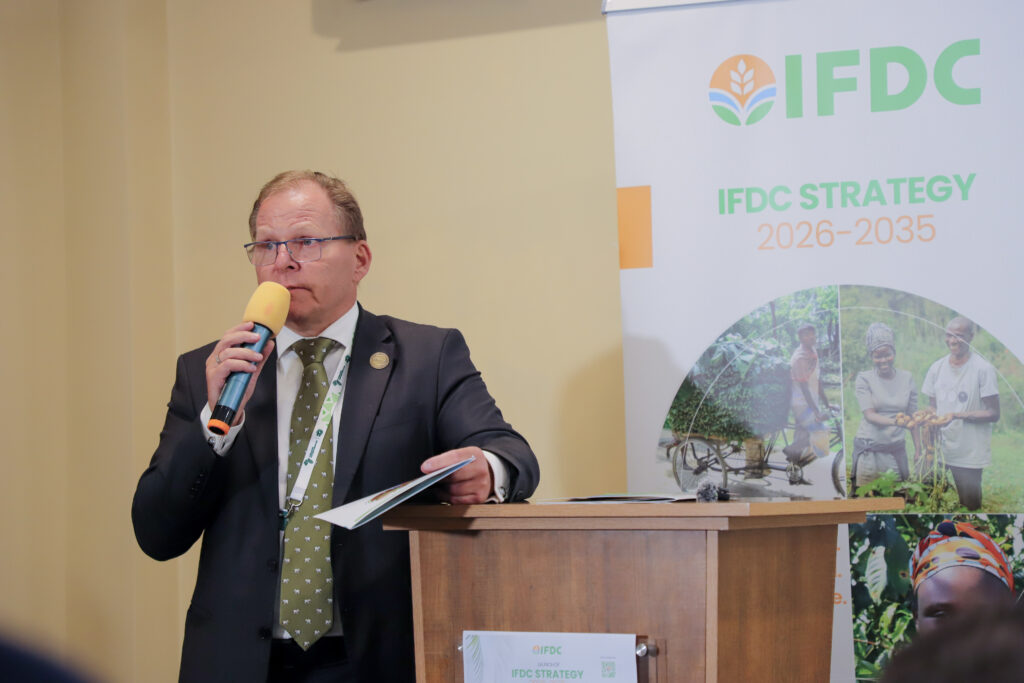
IFDC President and Chief Executive Officer (CEO) Henk van Duijn said, “Our new strategy is building out four interconnected components. First, regenerative agriculture allows us to rebuild degraded land and restore long-term productivity. Second, agroecology, ensuring our approaches work in harmony with local ecosystems rather than against them. Third, nutrient recirculation so that instead of losing valuable nutrients from the system, we’re capturing and reusing them. And fourth, mineral and organic fertilizer, which remains a critical input, but one we now see as part of a larger cycle rather than a standalone solution.”
A Call to Action for the Future of African Agriculture
The launch of this strategy comes at a decisive moment for Africa, as countries across the continent intensify efforts to strengthen food security, restore soils, create jobs for young people, and develop agricultural systems that are more resilient to climate shocks.
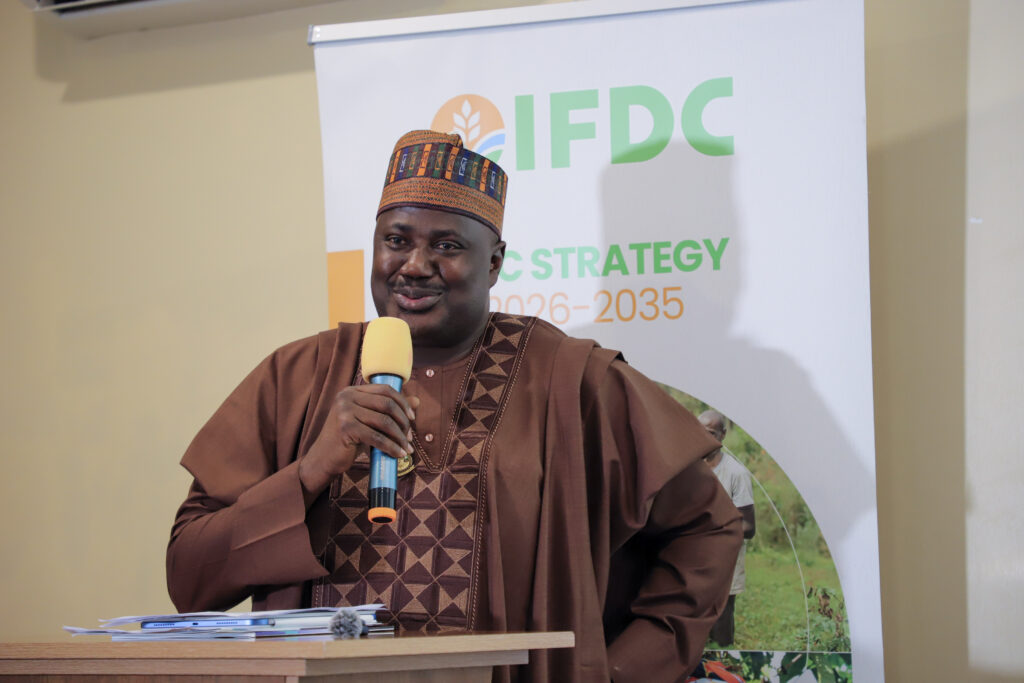
Senator Dr. Aliyu Sabi Abdullahi, Nigerian Minister of State for Agriculture and Food Security and Guest of Honor, remarked, “I join all of you in congratulating IFDC on the launch of this very important document, which marks a major milestone at a critical time. As we sit here, our minds are with those in the field -the farmers doing this work every day. If we are to address soil health systems, we need to look closely at the tactical approaches our farmers are already using. We should also be doing policy stress testing, so that we understand how our policies hold up in practice.”
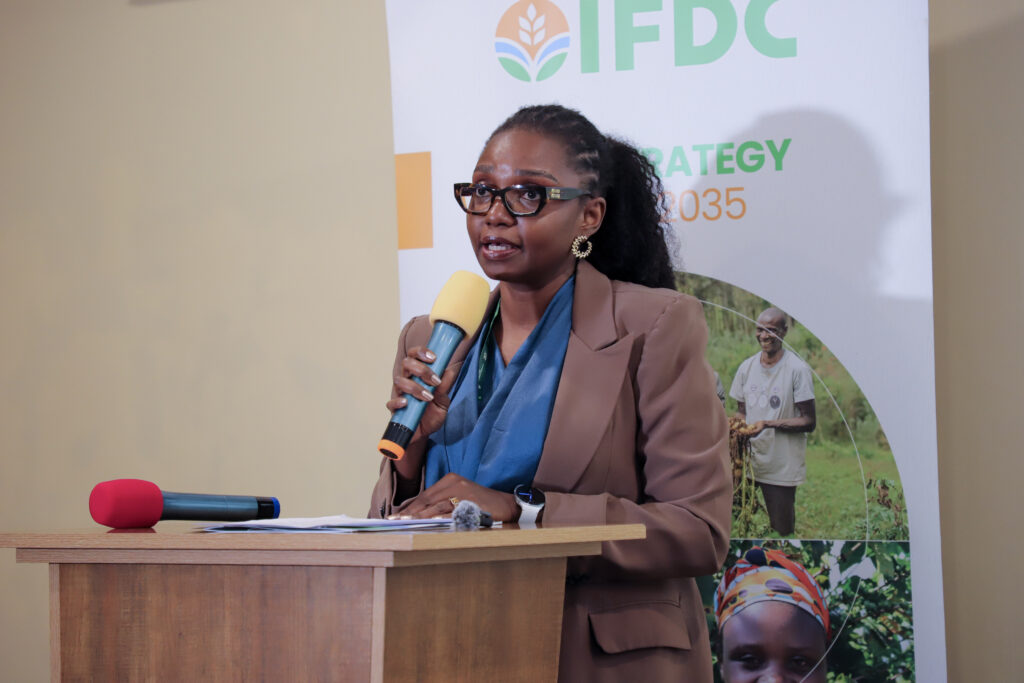
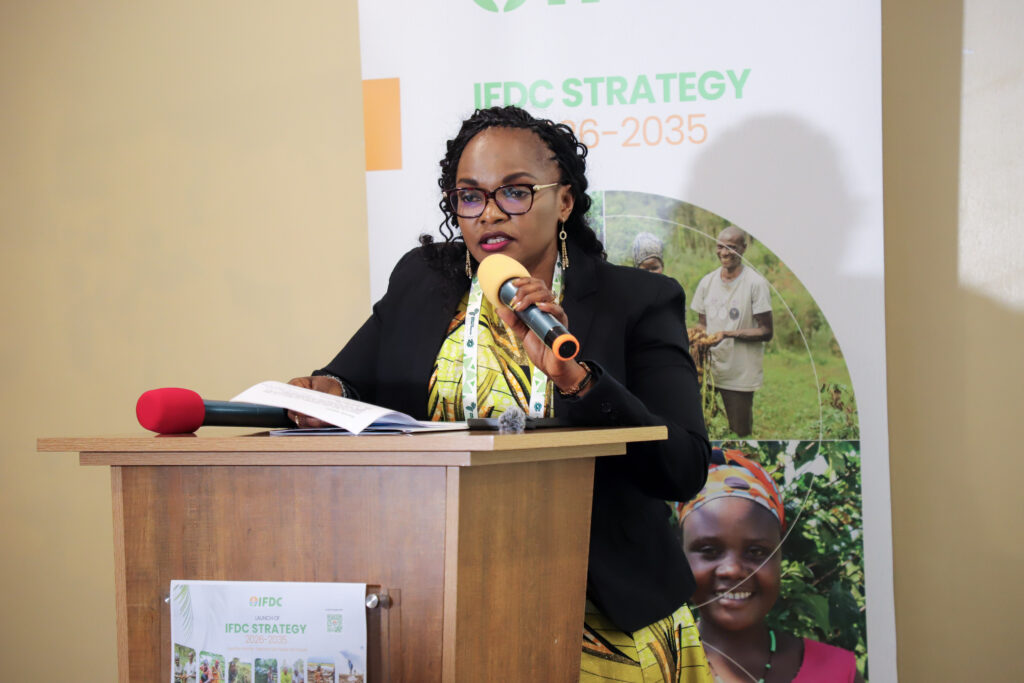
Marie Claire Kalihangabo, Coordinator of the Africa Fertilizer Financing Mechanism (AFFM) at the African Development Bank (AfDB), observed, “Across Africa, fertilizer and soil health solutions remain one of the most important tools available to farmers to improve productivity and increase food production. Yet for too many smallholder farmers, tailored innovations are often out of reach: they are too expensive or inaccessible.”
She added that IFDC’s new strategy is relevant because its focus on fueling the farmer, feeding the soil, and fostering the future reflects the interconnected nature of agricultural transformation by supporting farmers today while building the systems that will let African agriculture thrive tomorrow.
Strengthening Partnerships to Transform Food Systems
The event also featured a panel discussion, “The Next Fertilizer Shock Is Inevitable, but the Next Food Crisis Is Not,” which brought together voices from policy, science, financing, and the private sector to examine what makes fertilizer shocks so damaging and what it will take to prevent them from becoming full-blown food crises.
Panelists explored the vulnerabilities exposed by recent disruptions to smallholder farmers and national food systems, the barriers still holding back local fertilizer production and blending at scale, and the financing and investment shifts needed to build lasting resilience rather than reactive responses.
Speaking on vulnerabilities being exposed by recent fertilizer shocks, Dr. Bram Govaerts, Director General of the International Maize and Wheat Improvement Center (CIMMYT) observed, “We’re seeing a combination of conflict and climate shocks, both of which are disrupting the connectivity of our supply systems. These systems are also being battered by El Niño. This is so damaging because all three factors are happening at the same time. The response capacities of most governments are underfunded, because those resources were already stretched thin by conflict or by other more devastating climatic events. On top of this, we have also not equipped our actors along the system with the right decision-making tools such as data.”
Commenting on barriers to local production, Kalihangabo said, “We need to think about local production from the farmer’s perspective; farmers need access to quality, affordable inputs. At the end of the day, the cost of fertilizer is borne by the farmer. Building resilience includes not only local production of inputs such as fertilizer but also creating a market for these products. That way, farmers will be able to purchase fertilizer and other inputs and scale up, while manufacturers will get a return on their investment.”
Finally, when asked what single policy, investment, or behavior change could prevent the next shock from becoming a food security crisis, the panelists delivered a clear message: rather than continuing to draft new policies, the focus must shift to implementing those already in place as they were originally intended. With many strong policies already on the books, the priority now is to turn commitments into action, identify the gaps that remain, and address them directly.
Ultimately, preventing future shocks from escalating into food security crises will require moving beyond policy development and ensuring that existing commitments translate into meaningful, lasting change on the ground.
The discussion reinforced the strategic priorities at the heart of IFDC’s new Strategy 2026-2035 and underscored the importance of IFDC’s initiatives already underway, including the Soil Values and Transform Soil Fertility Management in Ethiopia (TRANSFORM) programs, which contribute to promoting more productive, resilient, and sustainable agricultural systems through improved soil health management.
Looking Towards the Future
Looking ahead, van Duijn emphasized, “If you look at where we are today, and what the strategy is all about, it’s soil centric. If we really want to address the shocks we’re facing today, we have to learn from that. In the past, we documented what was happening: we monitored what was being lost, such as topsoil, but we didn’t act on it. The real change has to come from a soil-centric approach by restoring soils. This also means we must provide farmers with alternatives, such as repurposing fertilizer subsidies.”
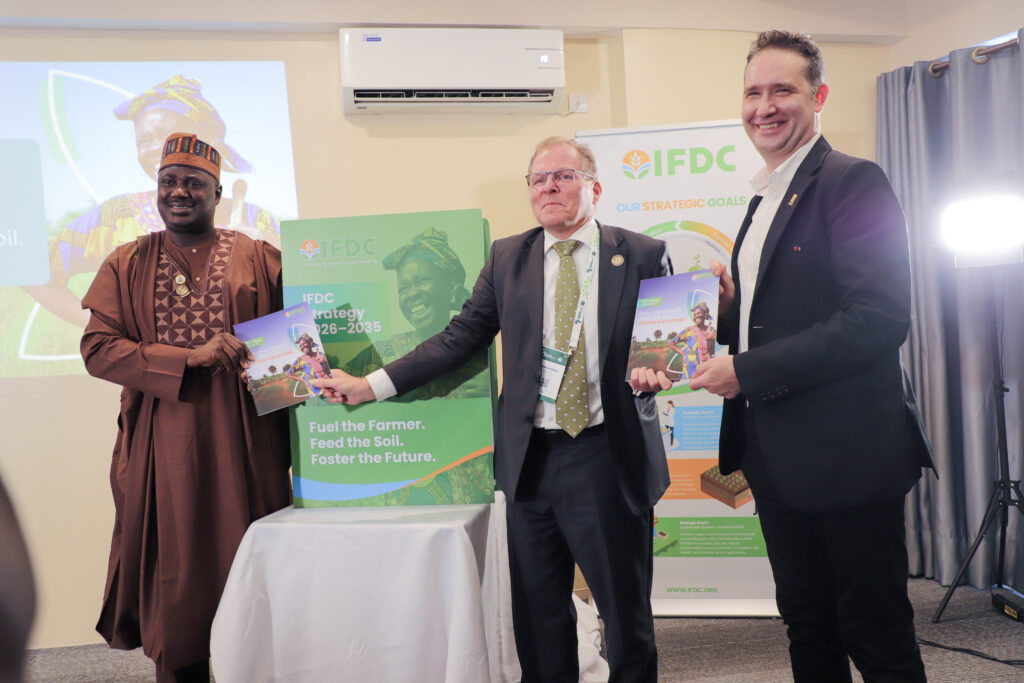
Through this new strategy, IFDC reaffirms its commitment to working alongside governments, regional institutions, the private sector, producer organizations, and technical and financial partners to move from reacting to fertilizer shocks toward preventing them, building food systems capable of sustainably feeding populations while preserving natural resources for future generations.
As IFDC looks to the next decade, its commitment is clear: fuel the farmer, feed the soil, and foster the future.