On this International Women’s Day, IFDC proudly joins the global community in embracing the 2026 theme: “Rights. Justice. Action. For ALL Women and Girls.”
This call to action directly reinforces Sustainable Development Goal 5 (Achieve gender equality and empower all women and girls) and reflects IFDC’s longstanding commitment to translating gender equality commitments into measurable development outcomes.
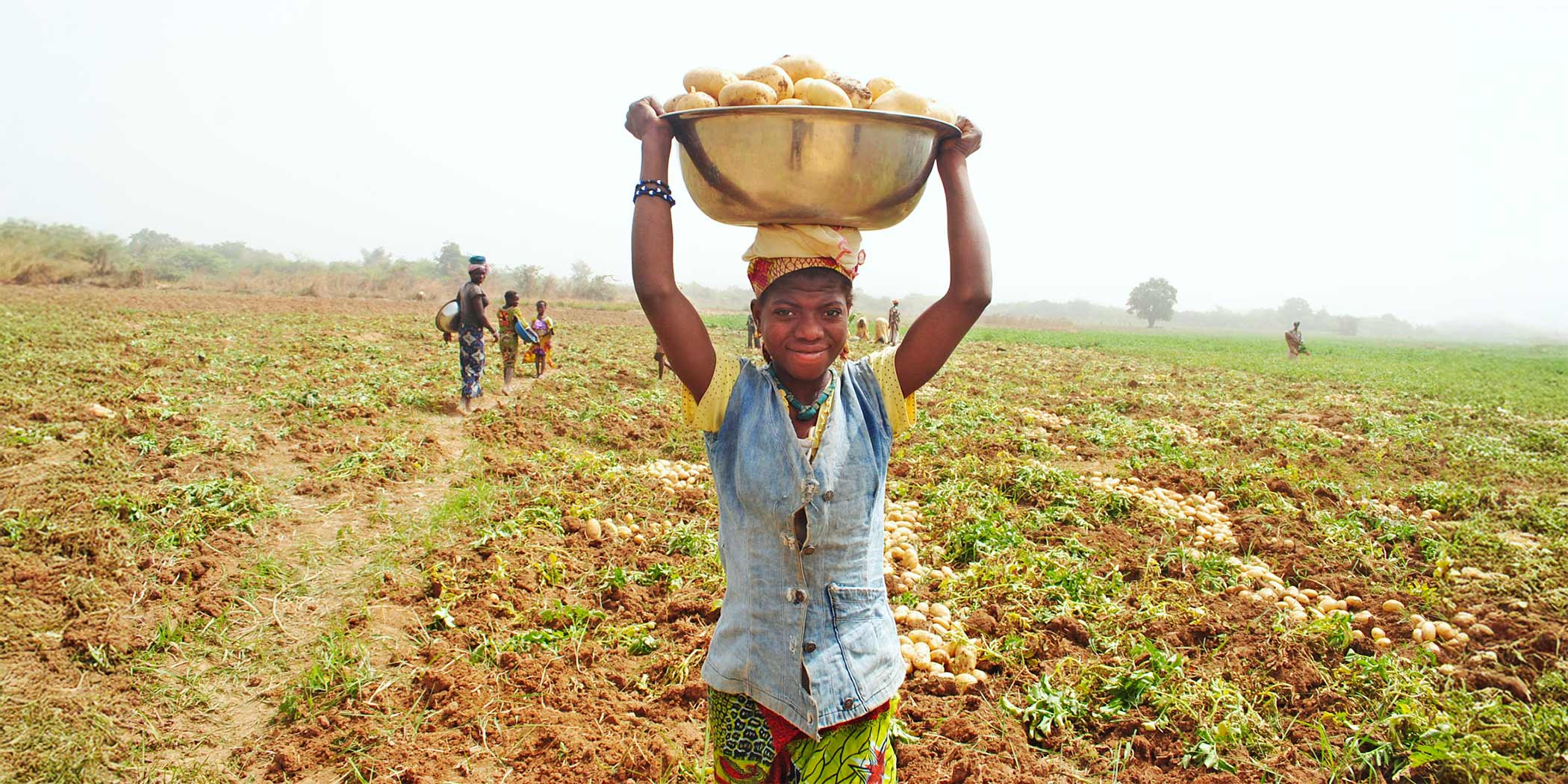
Across the regions where we work and recognized throughout the UN-declared International Year of the Woman Farmer (IYWF) 2026, women play important and decisive roles in agricultural food systems, soil stewardship, nutrition, economic resilience, and food security.
Yet persistent structural barriers—limited access to land, inputs, finance, and decision-making—continue to constrain their full participation in food systems. Addressing these barriers is not only a matter of rights and justice; it is essential to building inclusive, resilient, and sustainable food systems.
Advancing women’s rights means delivering action and results. Gender equality is fundamental to resilient food systems and sustainable development.
At IFDC, we believe that recognizing women’s rights is only the first step. Real change happens when those rights are translated into concrete actions, measurable results, and lasting impact. Across agricultural landscapes and food systems, women are not only producers and custodians of the land; they are innovators, leaders, and drivers of resilience. Yet too often, structural barriers continue to limit their access to land, inputs, markets, and decision-making power.
Gender equality is not an aspiration; it is a pathway to impact. This year, under IFDC’s theme “From Rights to Action: Women at the Heart of Sustainable Food Systems,” we reaffirm our commitment to turning intentions into impact, focusing on results-driven gender equality and meaningful transformation.
Advancing women’s rights means delivering action and results. Gender equality is fundamental to resilient food systems and sustainable development.
Our programs align gender objectives with sustainable land management, climate resilience, and inclusive value chains—contributing directly to SDG 5 while accelerating progress across interconnected goals related to food security, climate action, and economic opportunity.
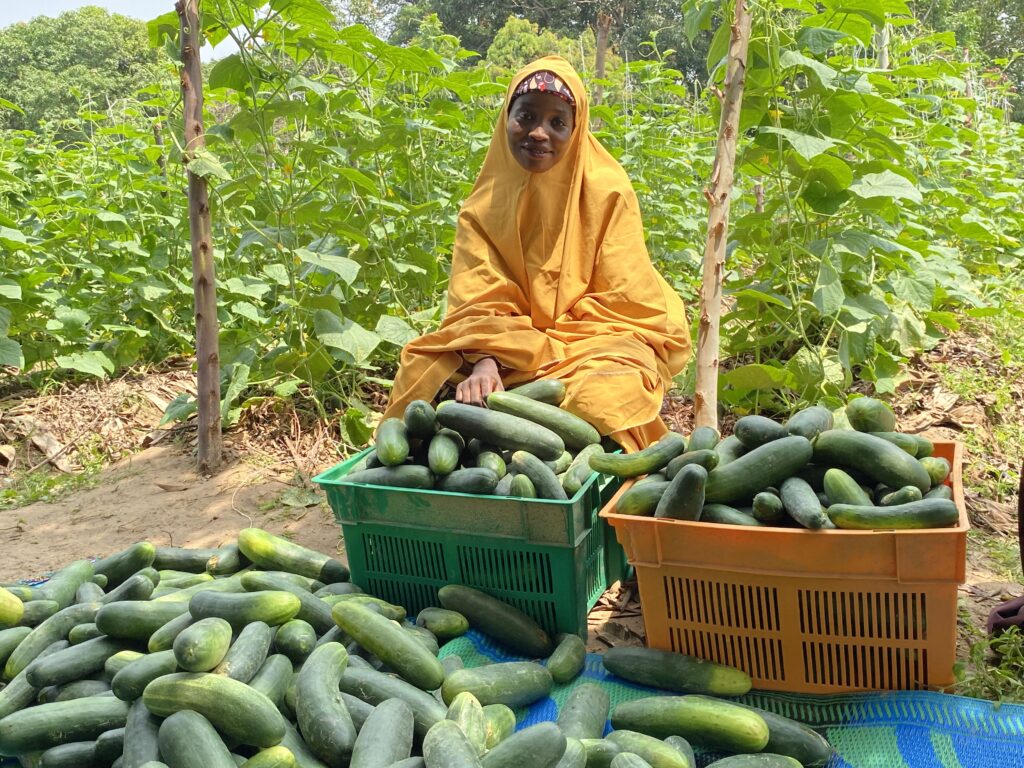
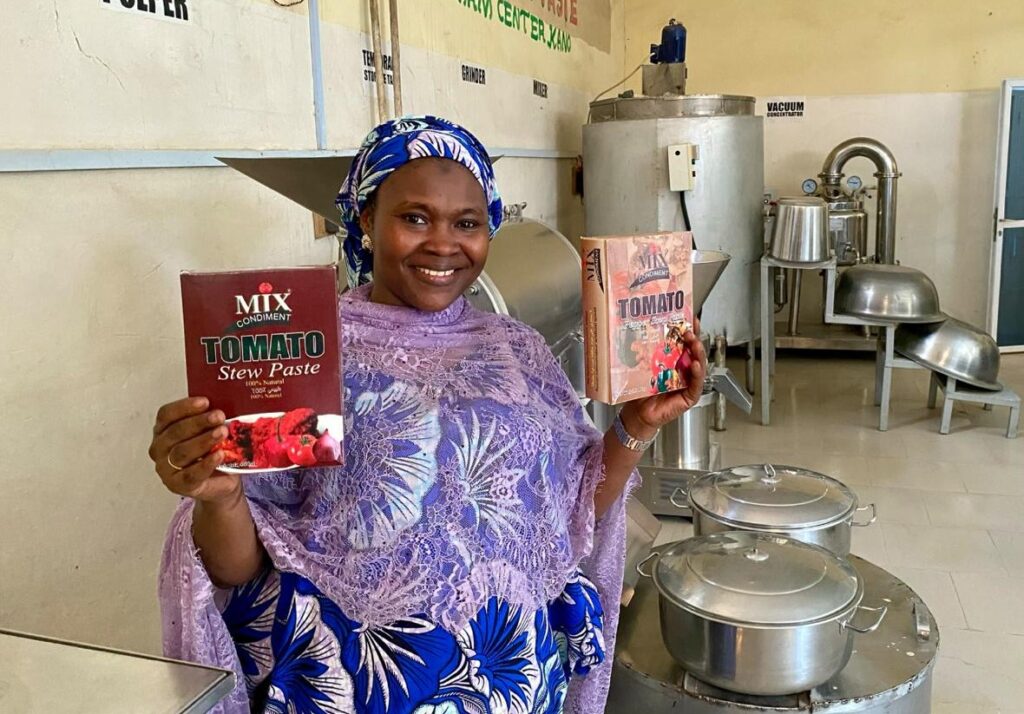
For example, from a small kitchen in Kano State, Aminat Sani turned her family recipe into Mix Condiment Paste, a thriving enterprise that, with HortiNigeria’s tailored training and business development support, creates jobs and empowers over 100 local farmers in her community.
“From my kitchen to a factory, I am now serving my state – creating jobs, benefiting farmers with a guaranteed market, and providing families with nutritious food,” Aminat reflected.
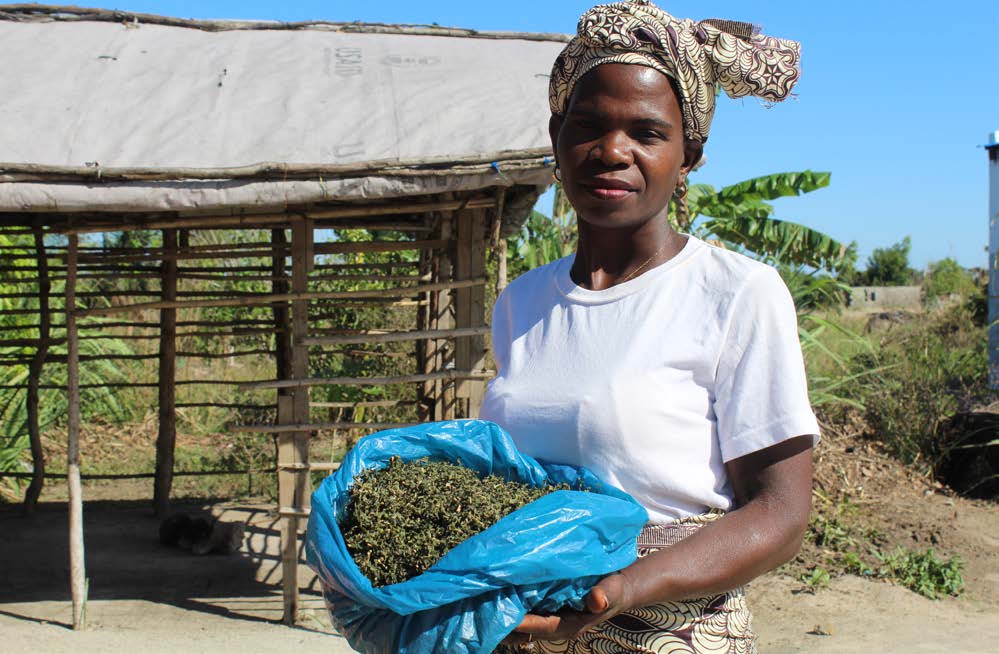
With the skills, knowledge, and support from the Triple Resilience (3R) program on post-harvest handling and value addition, Florencia Batista Mapureze turned post-harvest losses into opportunity, transforming her farm into a source of food security, income, and empowerment for her family in Mozambique.
Florencia shared that “This knowledge has been life-changing. I can now preserve our produce for months, ensuring that my family has food even in difficult times. We’ve also started selling some of the processed products, which has brought in much-needed income.”
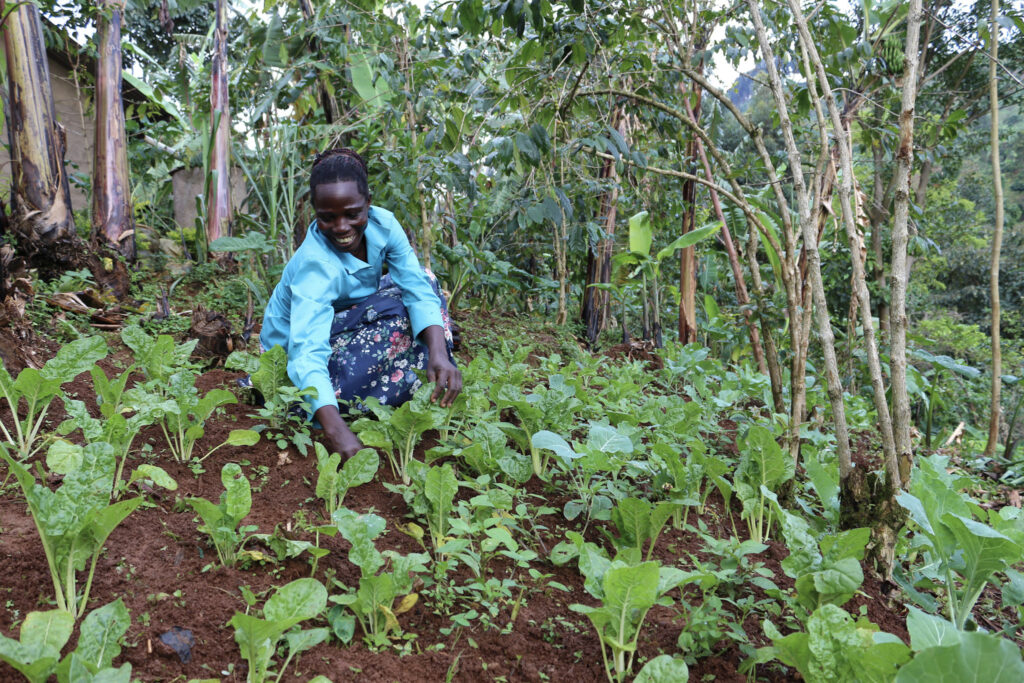
With guidance from the Building Resilience and Inclusive Growth of Highland farming systems for rural Transformation (BRIGHT) project in Uganda, women like Khainza Kasifa are empowering families to grow diverse crops, prepare nutritious meals, and improve health and income, turning knowledge into resilience and hope for their communities.
“We now grow more food crops for our families, and we have learned to manage our gardens for better yields,” explained Khainza.
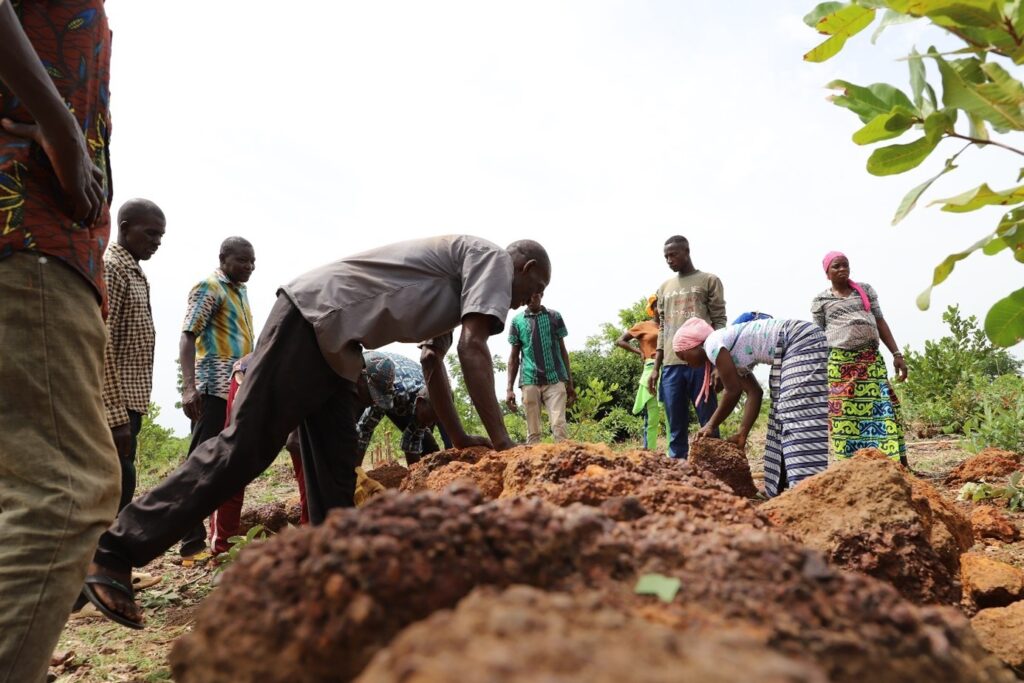
Through a cascade approach to strengthen soil health, the Soil Values program conducted trainings in Mali, Burkina Faso, Nigeria, and Niger where local women farmers have gained hands-on skills in producing organic fertilizers and using technologies such as fertilizer deep placement (FDP) to improve soil fertility and crop yields.
Bintou Ouattara, a relay farmer in Burkina Faso, said, “Producing our own organic fertilizer is a considerable advantage, allowing us to maintain more sustainable and productive farms.”
Additionally, when women gain access to technology and innovation, ripple effects drive broader economic and social benefits.
Monique Goudjanou, sales manager at Coopérative Prospérité, exemplifies this transformation. After receiving training on digital marketing through the Communal Approach to the Agricultural Market in Benin – Phase 3 (ACMA3) project in Benin, she now uses WhatsApp to boost the cooperative’s sales:
“Thank God for social networks! I can advertise my products and connect directly with customers,” she shared.
This commitment to expand women’s agency in agriculture and agribusiness is illustrative of IFDC’s overall strategy to embed gender equity across our strategic initiatives.
IFDC’s approach emphasizes action, accountability, and partnership. We work with governments, donors, and implementing partners to ensure that gender commitments are translated into tangible results on the ground—strengthening women’s access to productive resources, leadership opportunities, and resilient livelihoods. Women are not viewed merely as beneficiaries of development, but as central actors and agents of change.
As we mark International Women’s Day, we also recognize our technical and financial partners whose continued collaboration and trust make this work possible. Their support enables IFDC to deliver integrated, evidence‑based solutions that advance gender equality while generating sustainable impact at scale.
Let us move from promise to practice, keeping youth and women’s rights, healthy soils, and resilient food systems at the center of how we design, finance, and scale sustainable agriculture.